
Healthcare coverage is important for many families, seniors, and low-income individuals across the United States.
Understanding the Medicaid renewal online process can help you avoid coverage interruptions and make renewing your benefits much easier each year.
1. What Happens If You Don’t Renew Medicaid Benefits?
Many people assume their Medicaid coverage will continue automatically as long as they still qualify.
However, Medicaid benefits can end if renewal forms (or recertification) are not completed on time or if the state cannot verify your information.
This could affect doctor visits, prescription access, hospital care, and other healthcare services.
In some cases, coverage loss happens because renewal notices are sent to an old address, emails are missed, or required documents are not submitted before the deadline.
Even simple administrative issues may result in temporary termination of coverage.
That is why it is important to keep your contact information up to date and to respond to renewal requests promptly.
2. Medicaid Renewal Online Tutorial: A Step-by-Step Guide
Renewing Medicaid online is usually faster and more convenient than mailing paperwork manually.
Although the process may vary slightly by state, the general steps below are commonly required for most applicants.

Step 1: Check Eligibility
Before starting the renewal process, review your current household and income information to confirm you still qualify for Medicaid benefits.
Eligibility may change due to income adjustments, changes in family size, employment updates, or changes in disability status.
Step 2: Collect Required Documents
Having everything ready beforehand can speed up the process and reduce the risk of delays. Common documents requested during Medicaid renewal online process may include:
- Recent pay stubs or proof of income
- Federal tax returns or W-2 forms
- Social Security numbers for household members
- Government-issued identification
- Evidence proving residency, such as lease agreements or utility bills
- Documentation related to disability benefits, retirement income, or unemployment benefits, if applicable
Keep in mind that document requirements may vary by state.
Some Medicaid agencies can verify certain information electronically, while others may ask you to upload or submit supporting paperwork during the renewal process.
Step 3: Select a Renewal Method
Many states allow beneficiaries to renew Medicaid through online portals, phone support, mail, or in-person offices.
For those using Medicaid renewal online services, state healthcare websites usually offer the fastest way to upload documents and review application updates.
Step 4: Submit & Double-Check for Errors
Before submitting your renewal application, carefully review all information to ensure there are no missing fields or incorrect details.
Small mistakes, such as outdated addresses, incorrect income amounts, or missing signatures, may delay processing.
Step 5: Track Your Application Status
After submission, monitor your Medicaid account or email notifications for updates regarding approval, additional document requests, or eligibility decisions.
Keeping track of your application status may help you respond quickly if the state requires additional information.
3. When Can You Renew Medicaid?
In most states, Medicaid renewals are typically required once every 12 months after your original enrollment date. However, exact renewal schedules vary by state and eligibility category.
Because renewal dates vary for everyone, checking your state Medicaid account regularly is important. Many states send reminders by mail, email, text message, or through online healthcare portals.
For instance, some applicants may ask does NC Medicaid automatically renew. In North Carolina, if the state can confirm your eligibility using current records, some renewals might be handled automatically.
However, beneficiaries may still need to update information or submit additional documents in some situations.
Generally, it is wiser to thoroughly review renewal notices rather than assume the process will proceed automatically to prevent a surprise coverage loss.
>>> Read more: Finding A Medicaid Dermatologist Near Me Easily In 2026
4. Helpful Tips When Renewing Medicaid Online
A few simple habits may help make the Medicaid renewal online process smoother and reduce the chance of delays or coverage interruptions, for example:
- Verify that your mailing address, phone number, and email are up-to-date
- Check renewal notices regularly through your state Medicaid portal
- Save copies of uploaded documents and confirmation numbers
- Submit renewal forms before the deadline whenever possible
- Respond quickly if additional paperwork is requested
- Review all personal information carefully before submission
5. How Medicaid Beneficiaries Can Stay Connected with Lifeline Program
In addition to healthcare support, Medicaid participants may also receive a surprising telecommunication benefit.
Enrolling in Medicaid automatically qualifies individuals for the Lifeline program, a federal benefit that helps eligible individuals access affordable phone service.
Having a reliable phone makes it easier to stay connected with healthcare providers, schedule appointments, and keep in touch with family.
It can also make completing tasks like renewing Medicaid online simpler and more convenient, helping users submit updates and manage coverage without unnecessary delays.
If you currently receive Medicaid benefits, you can apply for Lifeline through Cintex Wireless, a reputable Eligible Telecommunication Carrier.
Just note that you can now access additional Lifeline benefits across a wider network of services and device possibilities thanks to Cintex’s merger with AirTalk Wireless.
Depending on your state and program availability, qualifying applicants may receive free monthly phone service and, in some cases, a free smartphone.
Available devices vary by location and inventory, but you can expect popular smartphone models like iPhone 8, iPhone 12, Samsung Galaxy S21 5G, etc
Note: The government does not cover device costs, only basic service through Lifeline. Any free or discounted devices, upgrades, or top-ups are limited-time Cintex Wireless offers and may vary by state, eligibility, and availability. Terms and conditions apply.
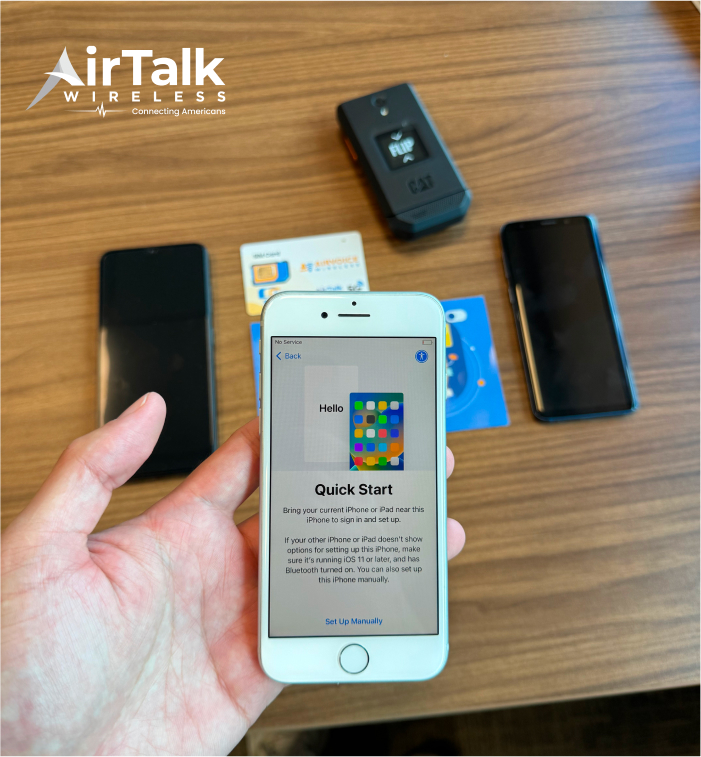
Here are the steps to claim your benefits:
- Visit airtalkwireless.com and check your ZIP code to see whether service is available in your area.
- Browse the available plan and device offers (may vary by state and inventory), then choose the most suitable one.
- Fill out the online application and upload any necessary documents, such as identification and Medicaid participation documentation.
- Submit your application and wait for eligibility verification and approval.
Frequently Asked Questions
How to renew Medicaid benefits in Ohio?
Ohio residents can typically renew Medicaid benefits through the Ohio Benefits portal, by mail, by phone, or through local county departments of job and family services.
Can I update my Medicaid information online during renewal?
Yes, you can update your information during the Medicaid renewal online process. Many state Medicaid systems allow applicants to update income, address, household size, and other personal information during the online renewal process.
What happens if I miss my Medicaid renewal deadline?
Missing the renewal deadline could result in delayed processing or loss of Medicaid coverage. Some states may allow a short reconsideration period, but requirements vary by location.
Conclusion
Understanding how Medicaid renewal online works may help you avoid coverage interruptions and complete the process with fewer problems.
By monitoring renewal notices, regularly updating your information, and submitting documents on time, you can improve your chances of maintaining continuous healthcare coverage.