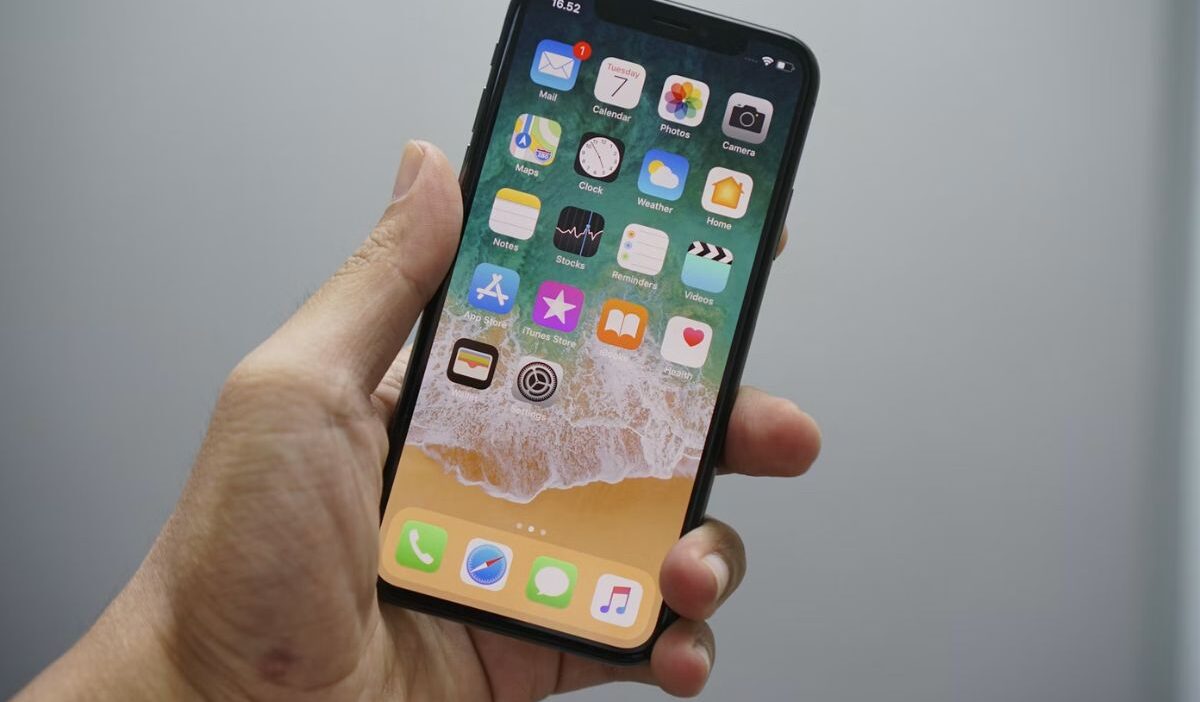
The iPhone X is still a capable smartphone for everyday use, which is why many people continue to buy or keep one. However, if you’re planning to activate an eSIM, it’s important to know whether the hardware supports it before purchasing a plan.
If you’re asking does iPhone X support eSIM, the short answer is no. This guide explains why, what alternatives you have, and whether upgrading is worth considering.
1. Does iPhone X Support eSIM?
No. The iPhone X does not support eSIM. Regardless of the storage capacity, carrier, or country where it was purchased, every iPhone X model relies on a single physical nano-SIM card.
If you’re researching does iPhone X support eSIM because you’re planning to activate a digital SIM, there’s no software update or setting that can add this feature. Earlier iPhone models don’t support eSIM because the required hardware wasn’t added until the iPhone XS, iPhone XS Max, and iPhone XR.
2. Why People Often Confuse the iPhone X and iPhone XS
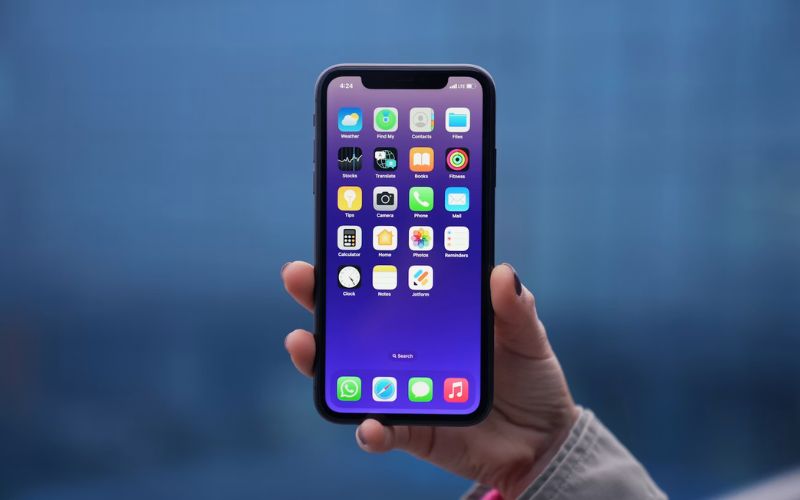
It’s easy to see why many people assume the iPhone X supports eSIM. The iPhone X and iPhone XS look almost identical, share a similar design, and have very similar names.
The iPhone X does not support eSIM because Apple introduced the feature with the iPhone XS, iPhone XS Max, and iPhone XR. Since all four devices were released within a relatively short period, it’s common for buyers to mix them up.
Another source of confusion is that many online compatibility lists group these models together without clearly identifying which one first introduced eSIM. If you’re still wondering does iPhone X support eSIM, remember that the feature starts with the iPhone XS generation.
>>> Read more: Free iPhone X: How to Get a Real Government Phone Upgrade in 2026
3. What Are Your Options if You Own an iPhone X?
If the answer to does iPhone X support eSIM isn’t what you hoped for, you still have several practical options. The iPhone X continues to work well with carriers that offer standard SIM cards, making it a perfectly usable device for everyday calls, texts, and mobile data.
Use a physical nano-SIM
The simplest option is to keep using a compatible physical nano-SIM. If your carrier supports physical SIM activation, the iPhone X can still handle calls, texts, and mobile data without eSIM.
Carry a second Phone
If you occasionally need an eSIM for travel or work, keeping a second eSIM-compatible device may be more practical than replacing your iPhone X immediately.
Upgrade to an eSIM-compatible iPhone
If you’re wondering does iPhone X support eSIM and want features like Dual SIM, travel eSIMs, or easier carrier switching, upgrading to a newer iPhone may be the best solution. Apple introduced eSIM support starting with the following models:
- iPhone XS
- iPhone XR
- iPhone 11
All newer iPhone models
Choosing one of these devices gives you access to both physical SIM and eSIM functionality, depending on the model and region.
4. Should You Still Buy an iPhone X Today?
If your daily needs are limited to calling, messaging, web browsing, and streaming, the iPhone X can still deliver a solid experience.
However, if eSIM compatibility is a priority, the answer to does iPhone X support eSIM remains unchanged-it isn’t built into the device.
Before buying an iPhone X in 2026, consider these trade-offs:
- Choose the iPhone X if you want an affordable iPhone and are comfortable using a physical SIM.
- Consider a newer model if you need Dual SIM functionality, travel eSIM support, or a device with longer software support.
- Think about long-term value. While the iPhone X costs less upfront, an eSIM-compatible model may better meet your needs over the next few years.
For many buyers, spending a little more on an iPhone XS or newer can avoid the limitations that come with owning a phone without eSIM support.
>>> Read more: iPhone X eSIM: Everything Apple Fans Need To Know [2026]
5. No eSIM on iPhone X? You May Still Have Affordable Options
Even though does iPhone X support eSIM has a clear answer, it doesn’t necessarily mean you need to replace your phone today.
If your iPhone X still performs well, you can continue using a physical SIM while reviewing whether your current mobile service is the most cost-effective option.
The federal Lifeline program helps qualified individuals lower their monthly phone service or internet service costs.
To qualify, you can either meet the household income limit or participate in qualifying programs.
Rather than providing benefits directly, Lifeline works through approved Eligible Telecommunications Carriers (ETCs) that offer qualifying mobile services.
As a participating ETC, Cintex Wireless offers Lifeline-supported service for eligible customers. Depending on your eligibility, state, available plans, and inventory, you may be able to:
- Use your own compatible phone (BYOD) to activate Lifeline-supported service with either a physical SIM card or eSIM, depending on your device. For example, you can continue using an iPhone X with a physical SIM, while a newer compatible iPhone may support eSIM activation.
- Receive a free or discounted phone, if available, and you qualify, with Lifeline-supported service and activation through a physical SIM card or eSIM.
Knowing your options lets you choose the right time to upgrade based on your needs rather than feeling rushed.
What’s more beneficial is that Cintex Wireless is merging into AirTalk Wireless, making it easier for eligible customers to compare compatible phones, available device offers, and activation options in one place.
Whether you’re planning to keep your current phone or upgrade to an eSIM-ready model, you can review your options after completing your eligibility check.
DISCLAIMER: The government does not cover device costs, only basic service through Lifeline. Any free or discounted devices, upgrades, or top-ups are limited-time Cintex Wireless and AirTalk Wireless offers and may vary by state, eligibility, and availability. Terms and conditions apply.
6. FAQs
Can an app enable eSIM support on an iPhone X?
No. An app can’t add eSIM functionality because the iPhone X doesn’t include the required eSIM hardware. The feature must be built into the device by the manufacturer.
Will an international version of the iPhone X support eSIM?
No. No version of the iPhone X supports eSIM. Regardless of where it was sold, every iPhone X model uses a physical nano-SIM only.
Can I use two phone numbers on an iPhone X?
Yes, but with limitations. The iPhone X doesn’t support Dual SIM through eSIM. If you need two numbers, you’ll typically need to carry a second phone or use services such as call forwarding or VoIP, depending on your provider.
Which is the cheapest iPhone that supports eSIM?
The iPhone XS, iPhone XS Max, and iPhone XR are generally the earliest-and often the most affordable-iPhone models with built-in eSIM support. Availability and pricing vary depending on the condition and where you purchase the device.
Conclusion
The iPhone X can still feel familiar, reliable, and good enough for everyday use, especially if all you need is calling, texting, browsing, and basic mobile data.
But if you are asking does iPhone X support eSIM, that usually means your mobile needs are starting to change. Travel eSIMs, digital activation, and Dual SIM convenience all require hardware the iPhone X simply does not have.
You do not have to replace it right away, but when flexibility becomes more important than familiarity, moving to an eSIM-compatible iPhone may be the better long-term choice.