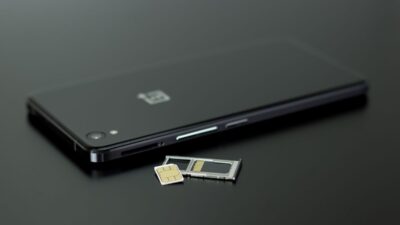
If you’ve been wondering what is a prepaid SIM card, you’re not alone. Prepaid mobile plans have become a popular choice for people who want flexible, affordable phone service without being tied to a long-term contract. Instead of receiving a monthly bill, you pay in advance for the amount of talk, text, and data you need.
This blog post will explain what a pre paid SIM card is, how it works, as well as its advantages and limitations. Read more here!
1. What is a Prepaid SIM Card?
A prepaid SIM card, also known as a pay-as-you-go SIM, is a SIM that provides mobile service once you pay in advance, instead of getting a bill later.
It is typically used for a particular quantity of data, calls, messages, or a specific time period. When that amount or time expires, the service often ceases until you add additional credit.
Moreover, prepaid SIM plans typically do not require long-term service agreements or credit checks. You have more control over your spending because you pay before each service period, although many prepaid plans renew monthly and may use automatic payments.
Each prepaid SIM card is issued for a particular carrier’s network. Replacing the physical card can make switching carriers easier, but your phone must also be unlocked and compatible with the new carrier’s network.
Importantly, many prepaid SIM cards just require basic personal information, such as a name and address, after activation.
Nevertheless, certain carriers may require formal ID verification before a prepaid SIM can be properly registered.
2. How Does a Prepaid SIM Card Work?
What is a prepaid SIM card? It works by connecting your phone to a mobile carrier’s network. This is how it works.
- Purchase a prepaid SIM card from a wireless carrier or retailer. Some SIM cards include starter credit or a prepaid package, while others require you to select and pay for a plan during activation.
- Follow the instructions to activate the SIM. This often entails phoning the supplier or enrolling online.
- Insert the activated SIM card into your unlocked phone. Before you switch SIMs, make sure your device is unlocked.
- When you require additional service, top up your balance or renew your plan. You can usually add funds online, through the provider’s app, with a refill card, or at an authorized retailer.
- To continue using the service after your balance or plan period expires, you need to make another payment. This can be done manually or through AutoPay or Auto Refill if your carrier provides that option. Otherwise, the service may be suspended until sufficient funds are added.
- You may switch plans or terminate service at any time without incurring any early termination charges.

Please keep in mind that prepaid does not always mean “pay as you go by the minute”.
Many carriers provide flexible prepaid packages. These could include 500 MB of data or a flat-rate call plan valid for a day, a month, or even a year.
These bundles may be activated, renewed, changed, or canceled according to the carrier’s plan options and account rules.
3. Prepaid SIM Card vs Regular SIM Card: What Are the Differences?
Now you know what is a prepaid SIM card. But what makes it different from a traditional SIM card?
They are technically similar because the physical SIM card performs the same basic function of identifying your mobile subscription and connecting your device to the carrier’s network.
The main distinction is not the SIM card itself, but how the mobile service is paid for.
With postpaid service, you are generally billed after using the service during a billing period. With prepaid service, you pay for the plan, balance, or service period in advance.
Prepaid plans typically offer greater flexibility and often do not require a credit check or long-term contract.
However, SIM card costs, activation fees, setup fees, taxes, or other charges may still apply depending on the carrier and how the service is purchased.
>>>Read more: What is Prepaid eSIM? All You Need to Know
4. Who Should Use a Prepaid SIM Card?
What is a prepaid SIM card, and who should use it?
A prepaid SIM is most useful for those whose needs are flexible, temporary, or easier to manage with a set spending limit, such as:
- Students or temporary residents
- Tourists visiting another country
- Individuals who require a temporary phone number
- Parents setting up a regulated phone service for their child
- Users who prefer to avoid long-term contracts
- Those testing out a carrier before changing permanently
In contrast, a prepaid SIM card is not the best deal if you:
- Need a lot of mobile data every day for long-term use.
- Don’t want to track data limitations or expiration dates.
- Want streaming bundles, premium extras, or family plan savings
- Prefer postpaid billing instead of paying or arranging automatic renewal before each service period.
5. Prepaid SIM Card Limitations to Know
What is a prepaid SIM card? While prepaid SIM cards offer flexibility and affordability, they also come with a few limitations that are worth considering before you choose a plan.
- Renewal required: Because prepaid service must be paid for in advance, you need sufficient account funds or a successful payment before the next service period begins. You may refill manually or set up automatic payments if your carrier offers them.
- Regular top-ups required: Since there’s no monthly billing, you’ll need to manually add credit or purchase a new plan to continue using your service.
- Speed limits: Some prepaid plans reduce your data speed after you’ve used a certain amount of high-speed data, even if the plan advertises unlimited data.
- Roaming restrictions: International roaming may be unavailable or limited on some prepaid plans, and additional roaming packages may be required when traveling abroad.
- Limited customer support: Compared with postpaid customers, prepaid users may have access to fewer support options or lower-priority customer service, depending on the carrier.
- Risk of losing your phone number: If you leave your prepaid SIM inactive for an extended period or fail to top up within the required timeframe, your carrier may deactivate the account and reassign your phone number.
6. How to Activate a Prepaid SIM Card?
Knowing what is a prepaid SIM card and how to activate it is crucial if you want to stay connected without committing to a long-term contract or postpaid bill.
Getting started with a prepaid SIM card only takes a few minutes. Follow these simple steps:
- Buy a prepaid SIM card: Choose a SIM card that fits your device, such as a nano, micro, or standard SIM. Before purchasing, make sure your phone is compatible and unlocked if you plan to use a different carrier.
- Select a prepaid plan: Pick a plan that offers the amount of talk, text, and mobile data you need. Most carriers let you activate or top up your plan online using a debit or credit card.
- Insert the SIM card: Power off your phone, remove the old SIM if necessary, and insert the new prepaid SIM into the SIM tray. Then turn your device back on.
- Complete the activation: Follow the on-screen instructions or your carrier’s activation guide. Your phone may automatically configure the network settings, although some carriers may require you to restart the device before the service becomes active.
Conclusion
also about deciding how much control, flexibility, and commitment you want from your service.
Understanding what is a prepaid SIM card makes that choice easier. By paying in advance, you can manage your spending more closely and avoid a long-term contract, although you still need to consider renewal dates, coverage, data limits, and possible fees. Taking a moment to compare those details can help you choose a plan that fits the way you actually use your phone.