
Minnesota offers more than one public health coverage option, which can make names such as Medical Assistance and MinnesotaCare easy to confuse. They serve different income groups and follow different cost and eligibility rules.
MN Medicaid is officially called Medical Assistance, or MA. Here is how the program works, who may qualify, and how it differs from MinnesotaCare in 2026.
1. What is MN Medicaid?
For those wondering what is Minnesota Medicaid called, it is referred to as Medical Assistance (MA).
It covers children and families, pregnant people, adults without children, seniors, and people who are blind or have a disability.
Most members receive care through managed health plans, while some use fee-for-service coverage.
What Does Minnesota Medical Assitance Cover?
Medical Assistance covers a broad range of healthcare services, including doctor and clinic visits, hospital care, prescription drugs, emergency services, dental care, behavioral health treatment, and substance use treatment.
Some benefits have age or service limits. For example, beginning January 1, 2026, chiropractic coverage is generally limited to members under age 21.
Some services or medications require prior approval, and the exact benefits depend on the Medical Assistance program or benefit set for which a member qualifies.

2. Who is Eligible for Medical Assistance?
Eligibility for MN Medicaid depends on factors such as Minnesota residency, citizenship or qualifying immigration status, household size, age, income, pregnancy, and disability status.
Some eligibility groups also have asset limits, while children, pregnant people, parents, and many adults generally do not face an asset test.
Income limits differ considerably by eligibility group and are updated periodically. For July 1, 2026 through June 30, 2027, Minnesota lists the following approximate guidelines based on the Federal Poverty Guidelines:
- Parents, caretaker relatives, ages 19–20, and adults without children: 133% FPG
- Children ages 2–18: 275% FPG
- Pregnant women: 278% FPG
- Infants under age 2: 283% FPG
For example, the 133% FPG limit for a one-person household is approximately $1,768 per month or $21,226 annually from July 1, 2026 through June 30, 2027.
A family of four under the same category has an approximate annual limit of $43,890.
Parents, children under 21, and adults without children in the home generally do not have an asset limit for Medical Assistance.
Older adults and some people who qualify based on blindness or disability follow different financial rules, while certain applicants with income above the usual limit may still qualify through a spenddown.
>>>Read more: 10 Reasons For Medicaid Cancellation: Don’t Miss Your Medicaid Coverage!
3. How to Apply for MN Medicaid?
For most families, pregnant applicants, children, and adults under age 65, applying online is the easiest way to start the MN Medicaid process. One application can be used to determine eligibility for Medical Assistance, MinnesotaCare, or another health coverage option.
Some situations follow a different route.
If everyone applying is age 65 or older, receives SSI, has Medicare under certain circumstances, or needs certain disability-related or long-term care programs, Minnesota may require a separate paper application instead.
Before applying, gather information about household members, income, Social Security numbers where required, existing health insurance, and immigration status if applicable.
Free navigators, county or Tribal agencies, Minnesota Aging Pathways, and Disability Hub MN can also help applicants choose the correct form.
After submission, the state reviews your information and determines whether you qualify for Medical Assistance, MinnesotaCare, or another coverage option.
4. Is MN Medicaid the Same as MinnesotaCare Program?
For anyone asking is MinnesotaCare the same as Medicaid?, the two programs are related but distinct.
Medical Assistance is Minnesota’s Medicaid program, while MinnesotaCare is Minnesota’s Basic Health Program for residents with incomes too high for Medical Assistance but who still need affordable coverage.
MinnesotaCare is funded through federal Basic Health Program funds, a state tax on healthcare providers and hospitals, and member premiums.
The main differences are easier to see side by side:
| Feature | Medical Assistance | MinnesotaCare |
| Program type | Minnesota Medicaid | Basic Health Program |
| Typical income group | Lower-income residents | Moderate-income residents |
| 2026 income framework | Varies by eligibility group | Generally up to 200% FPG |
| Monthly premium | Generally no monthly premium for many groups | Some members pay a premium |
| Copays | No copays for MA members under current DHS guidance | Costs depend on MinnesotaCare rules |
| Employer coverage | May still qualify in some circumstances | Affordable employer coverage can affect eligibility |
| Asset test | Depends on MA category | No asset test |
For calendar year 2026, the MinnesotaCare income limit for a one-person household is $31,300 annually, with higher limits for larger households.
Beginning January 1, 2026, Minnesota also increased MinnesotaCare premiums, so some adults who previously paid no premium now have a monthly charge based on income and household size.
5. How Minnesota Citizens Can Stay Connected Easily
In addition to various benefits, Medical Assistance can also help determine eligibility for Lifeline, a federal program that makes phone service or internet service more affordable.
Having dependable communication can be useful for contacting healthcare providers, pharmacies, insurers, and family members.
Lifeline eligibility can be based on participation in Medicaid or other qualifying assistance programs like SSI, SNAP, etc.
The benefit is limited to one per household and is provided through participating Eligible Telecommunications Carriers (ETCs), like Cintex Wireless.
Notably, Cintex Wireless is currently merging with AirTalk Wireless to offer Lifeline-supported service, with benefits and device promotions varying by state, eligibility, and inventory.
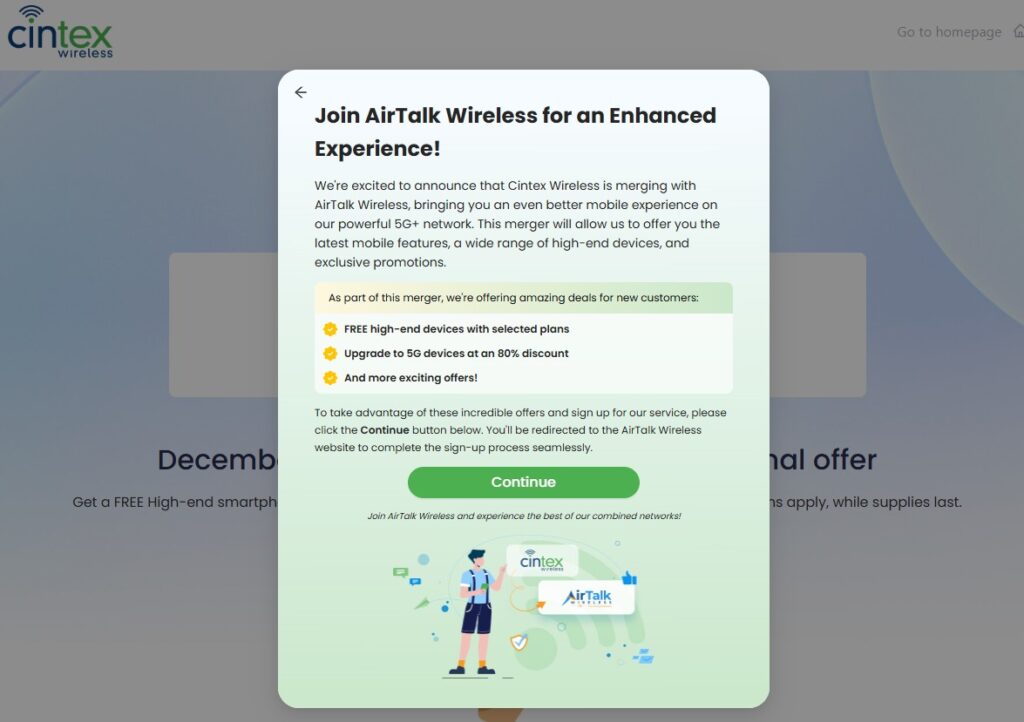
Eligible applicants may have access to:
- Unlimited talk and text
- Monthly mobile data
- Free SIM or eSIM
- International calling to supported destinations
- A free or discounted smartphone through provider promotions
DISCLAIMER: The government does not cover device costs, only basic service through Lifeline. Any free or discounted devices, upgrades, or top-ups are limited-time Cintex Wireless offers and may vary by state, eligibility, and availability. Terms and conditions apply.
FAQs
What will happen to Medicaid in 2026?
In Minnesota, the first major federal Medicaid change begins October 1, 2026, when eligibility changes for certain noncitizen adults age 21 or older who are not pregnant. Other federal changes, including work requirements and more frequent renewals for some adults, begin in 2027.
Is Medicaid free in Minnesota?
Medical Assistance has little to no cost for many Minnesota members. MN Medicaid members have no deductibles or copays, although some people may have other financial obligations such as a spenddown, depending on their eligibility category.
What is the income limit for Medicaid in Minnesota in 2026?
There is no single limit for MN Medicaid because it varies by age and eligibility group. From July 1, 2026, parents, caretaker relatives, ages 19–20, and adults without children use an approximate 133% FPG standard, while children, infants, and pregnant people have higher limits.
Conclusion
MN Medicaid, officially known as Medical Assistance, differs from MinnesotaCare, even though both help Minnesotans access affordable healthcare.
Medical Assistance generally serves lower-income and other qualifying groups, while MinnesotaCare helps fill the gap for residents with somewhat higher incomes.
Checking your household size, eligibility category, and current 2026 income limits is the best way to see which program may fit.