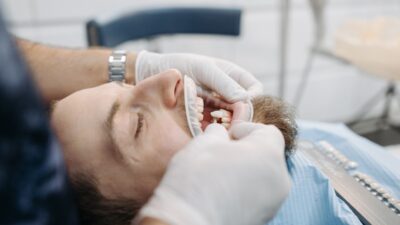
What does Medicaid cover for dental for adults in Illinois? Illinois Medicaid provides dental benefits for eligible adults, but understanding what is covered can be confusing when different procedures have different rules.
Before scheduling dental treatment, knowing what your plan may cover can help you avoid unexpected costs and make better decisions about your care.
This guide explains the adult dental services available through Illinois Medicaid, common limitations, how to verify your benefits, and the steps to take before receiving treatment.
1. What Does Medicaid Cover for Dental for Adults in Illinois?
Illinois Medicaid provides dental benefits to many eligible adults, although the exact services available can vary depending on the member’s coverage type and plan requirements. Benefits generally fall into five categories:
- Preventive care, such as examinations and cleanings
- Diagnostic services, including X-rays
- Restorative treatment, such as fillings or certain crowns
- Emergency or medically necessary procedures
- Dentures and other approved tooth-replacement services
A member’s age, clinical diagnosis, treatment history, Medicaid plan, and chosen dentist may all affect coverage. Before receiving care, ask the dental office to verify both the proposed procedure and the provider’s participation in your plan.
2. Which Adult Dental Services May Be Covered by Illinois Medicaid?
The following benefit groups provide a practical overview. They are not a guarantee that every procedure will be approved.
Preventive Dental Care
Eligible adults may receive oral examinations, cleanings, and other preventive services at permitted intervals. These visits can identify decay or gum problems before more extensive treatment becomes necessary.
Diagnostic Services
Diagnostic benefits may include dental X-rays and evaluations used to determine the cause of pain, infection, or tooth damage. The dentist must document why each test is clinically appropriate.
Restorative Dental Treatment
Fillings and other restorative procedures may be covered when they are needed to repair damaged or decayed teeth. More complex treatments, such as certain crowns or root canals, may require additional review based on the tooth condition, clinical findings, and plan requirements.
Tooth Extractions and Oral Surgery
Simple or surgical extractions may be covered when a tooth cannot be restored or is causing pain, infection, or another health concern. More complex oral surgery may require supporting records or prior authorization.
Dentures and Tooth Replacement
Dental implants are generally not a routine adult Medicaid benefit and are usually only considered in limited circumstances when specific medical criteria are met.
Replacement schedules, repairs, relining, and adjustments may be subject to frequency limits. Dental implants are generally not a routine benefit.
Emergency Dental Services
Urgent dental care may be available for conditions such as severe pain, infection, swelling, bleeding, or dental trauma when the service meets Medicaid requirements and is provided by an enrolled provider.
The dentist will determine which procedure is necessary to control the immediate problem.
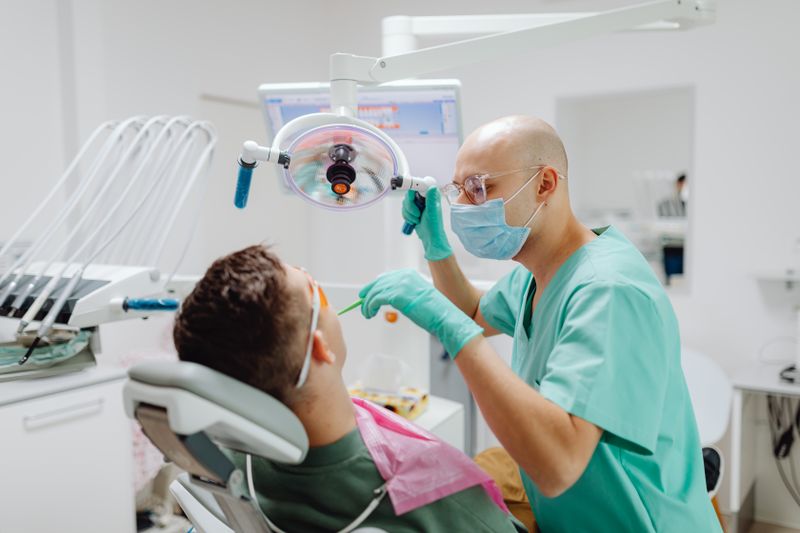
To better understand what does Medicaid cover for dental for adults in Illinois, members can review the six main service groups above. However, inclusion in a benefit category does not guarantee that every related procedure will be approved.
3. What Dental Services Are Usually Not Covered?
Knowing the exclusions is as important as understanding the benefits. Illinois Medicaid usually does not cover services performed only to improve appearance or optional upgrades that exceed program standards.
Common examples include:
- Cosmetic teeth whitening
- Veneers or bonding without medical necessity
- Dental implants in most routine cases
- Elective adult orthodontic treatment
- Premium materials or treatment upgrades
- Care from a provider who is not enrolled with Illinois Medicaid or does not participate in the member’s specific plan network.
- Procedures completed without required authorization
Members should request a coverage review before agreeing to expensive treatment.
Therefore, understanding what does Medicaid cover for dental for adults in Illinois also requires recognizing which cosmetic, elective, or unauthorized services are commonly excluded.
>>> Read More: Medicaid Income Limits Indiana: Know the Maximum Income to Qualify
4. What Coverage Limits or Requirements Should Adults Expect?
Coverage is shaped by several administrative and clinical requirements. Some services, including preventive visits, dentures, and replacement appliances, may be subject to frequency limits or authorization requirements depending on the member’s coverage.
Restorative procedures must typically be medically necessary and supported by examination findings.
Some treatments require prior authorization before work begins. Members enrolled in managed care should contact the number on their membership card, while fee-for-service members can use the Illinois HFS Dental Program or DentaQuest to find participating providers.
Because benefits can vary by plan, always confirm the procedure code, authorization requirements, and possible costs directly.
When reviewing what does Medicaid cover for dental for adults in Illinois, members should consider frequency limits, medical necessity, provider participation, and prior authorization together.
5. How to Get Dental Care Through Illinois Medicaid?
Following a clear process can reduce appointment delays and denied claims.
- Step 1: Review Your Benefits
Check your plan handbook or contact member services to confirm current dental benefits.
- Step 2: Find a Participating Dentist
Use your managed care plan’s directory or the DentaQuest provider search when applicable. A directory listing does not always mean the office is accepting new patients, so call first.
- Step 3: Confirm the Proposed Treatment
Ask whether the dentist participates in your exact plan and whether the planned service is covered.
- Step 4: Complete the Examination
The dentist must assess your oral health before recommending treatment or submitting supporting records.
- Step 5: Obtain Authorization
Wait for required approval before scheduling procedures that need prior authorization.
- Step 6: Retain Your Records
Keep treatment plans, approval letters, claim notices, and notes from calls in case questions arise later.
These steps can help adults confirm what does Medicaid cover for dental for adults in Illinois before treatment begins, reducing the risk of appointment delays or unexpected expenses.
6. Managing Your Dental Benefits Is Easier When You Stay Connected
Reliable phone access can make it easier to manage your dental benefits. And being qualified for Illinois Medicaid can help you save more on communication costs.
Specifically, it can help you qualify for Lifeline, a federal program that helps qualifying households receive discounted phone service or internet service.
Medicaid is one of the programs that automatically satisfies Lifeline’s eligibility requirements, so many Medicaid recipients qualify for both benefits at once.
But you can still qualify by meeting the income threshold or by participating in programs like SSI, SNAP, etc if Medicaid is not within your reach.
Keep in mind, only one Lifeline discount is allowed per household, and it can’t be transferred.
Lifeline doesn’t provide service directly. It works through participating Eligible Telecommunications Carriers, or ETCs, which handle enrollment and set the available plans.
Cintex Wireless is one of these carriers. It’s been serving eligible households for years, with a focus on closing gaps in access to connectivity. The carrier also offers a free or discounted device to qualifying applicants, so the benefit covers your service and your phone.
Notably, Cintex Wireless has merged into AirTalk Wireless, giving eligible consumers access to a broader selection of devices and a more streamlined application experience.
Common models displayed by AirTalk may include:
Device availability, price, service, coverage, and eligibility vary by location and inventory. Applicants should review the current offer before selecting a phone.
Note: Eligibility varies by state and program. Offers depend on availability and qualifications. AirTalk Wireless and Cintex Wireless operate under the federal Lifeline Program as an Eligible Telecommunications Carrier (ETC). Service is non-transferable and limited to one service per household.
7. FAQs
Are dentures included in Illinois Medicaid dental benefits?
Full or partial dentures may be covered when they are medically necessary, and the member satisfies plan criteria. Authorization, documentation, and replacement limits may apply.
Can adults get dental implants through Illinois Medicaid?
Dental implants are generally not covered in routine adult cases. An uncommon medical circumstance may receive individual review, but approval should never be assumed.
Are root canals and crowns covered for adults?
Certain root canals or crowns may be considered when they are necessary to restore function. Coverage depends on the tooth, clinical findings, plan rules, and prior authorization.
What happens if you need emergency dental care?
Contact a participating dentist or your plan immediately. Severe pain, infection, swelling, bleeding, and dental trauma may require urgent evaluation and medically necessary treatment.
Can you see any dentist with Illinois Medicaid?
No. Members generally need a dentist enrolled in Illinois Medicaid and participating in their specific managed care plan, when applicable.
How do you find a dentist that accepts Illinois Medicaid?
Managed care members should call the number on their plan card. Other Medicaid members can consult Illinois HFS or DentaQuest and then contact the office to confirm availability.
Conclusion
The answer to what does Medicaid cover for dental for adults in Illinois depends on the procedure, medical necessity, plan rules, service limits, and provider participation.
Services such as exams, diagnostic care, restorative treatment, extractions, emergency dental care, and dentures may be available for eligible adults, but confirming coverage before treatment can help prevent unexpected costs.
Checking your plan requirements and working with an approved dental provider can make the process easier.