Finding free dental work for low-income adults can be challenging when the cost of treatment makes routine care difficult to afford. Fortunately, several programs may help reduce dental expenses, including Medicaid, community health centers, dental schools, charitable clinics, and local assistance programs.
Available options depend on factors such as your location, income, eligibility status, and the type of dental care you need. This guide explains where to look for assistance, what services may be available, and how to confirm eligibility and potential costs before starting treatment.
1. Can Low-Income Adults Get Free Dental Work?
Yes, some low-income adults may qualify for free or reduced-cost dental care. However, availability varies based on location, income, eligibility requirements, insurance status, and the type of treatment needed.
Some organizations provide completely free care, while others charge a reduced fee or help patients use public dental coverage.
It is important to understand the difference:
- Free dental care: Eligible patients are not charged for approved services.
- Low-cost dental care: Fees are reduced, often according to income and family size.
- Dental coverage: Medicaid, insurance, or another assistance program may pay part or all of the treatment cost, depending on eligibility and covered services.
Always contact the provider before scheduling. Confirm eligibility, available procedures, waiting times, and any charges that may remain.
2. Where to Find Free Dental Work for Low-Income Adults?
Several programs may provide free dental work for low-income adults, but no single option is available in every location. Start with the resources most relevant to your residence, insurance status, income, and treatment needs.
See What Adult Dental Care Medicaid Covers in Your State
Adult Medicaid dental benefits vary by state because federal rules do not require states to offer the same level of dental coverage for adults.
Some states provide broader benefits, while others offer more limited services. Review your state program’s benefits through the official Medicaid dental care resource.
Find Medicaid dental providers near you before contacting your plan to confirm coverage, provider participation, and appointment availability.
Look for Charitable and Volunteer Dental Clinics
Nonprofit clinics, faith-based organizations, and volunteer dental programs may offer services such as exams, cleanings, fillings, extractions, or limited restorative care.
Available treatments often depend on funding, staffing, location, and patient eligibility. Services can be limited to specific dates, counties, or patient groups, so ask whether applications or referrals are required.
Ask a Community Health Center About Sliding-Scale Care
Many community health centers offer sliding-scale fees based on income and ability to pay. However, not every location provides dental services, so confirm available care before scheduling an appointment.
The HRSA health center locator can help you find nearby centers, although you should confirm that a location currently provides dental services.

Check Dental School and Dental Hygiene Clinics
Dental schools may provide supervised treatment at lower prices. Dental hygiene programs commonly offer cleanings, X-rays, and preventive care. Treatment may take longer because students work under faculty supervision.
Call 211 or Your Local Health Department
Dial 211 or search its local resource directory for dental clinics, transportation support, and community programs. County health departments may also know about safety-net providers that are not easy to find online.
Look for Local Dental Outreach Events
Mobile clinics and community dental days sometimes provide free screenings, cleanings, fillings, or extractions. Because capacity is limited, ask whether registration is required and which procedures will be available.
Check VA Dental Benefits If You Are a Veteran
VA dental care is not automatically available to every veteran. Eligibility depends on factors such as service-connected conditions and other qualifying circumstances.
3. What Dental Services May Be Available for Free?
The services included in free dental work for low-income adults depend on funding, provider availability, eligibility rules, and whether the requested treatment meets program requirements. Available assistance may include:
- Dental exams and X-rays
- Cleanings and preventive care
- Fillings for cavities
- Tooth extractions
- Treatment for pain or infection
- Limited dentures or restorative services
- Referrals for procedures the clinic cannot perform
More complex procedures, including root canals, crowns, implants, dentures, and orthodontic treatment, are less commonly available through free dental assistance programs and may require additional coverage or payment options. Ask for a written estimate before agreeing to treatment.
>>> Read More: Does Medicaid Cover Root Canals? A Clear Guide to Coverage
4. Who May Qualify for Low-Income Dental Assistance?
Each program establishes its own rules. Eligibility may be based on household income, family size, county or state residency, insurance status, Medicaid enrollment, age, disability, veteran status, dental urgency, and available funding.
Applicants may need a photo ID, proof of address, recent pay stubs, a tax return or benefits statement, an insurance or Medicaid card, household-size information, and dental records or a referral.
If one program cannot assist you, continue exploring other options because eligibility rules, funding availability, and covered services can vary significantly between organizations.
If one organization denies your application, continue exploring other sources of free dental work for low-income adults because each program may apply different income, residency, insurance, or health-related criteria.
5. How to Start Getting Free or Lower-Cost Dental Care?
Accessing free dental work for low-income adults is often easier when you understand your treatment needs and prepare the required information before contacting a provider. The following six steps can help you search more efficiently and avoid unexpected costs:
- Identify your needs: Determine whether you need preventive, restorative, or urgent care.
- Search by ZIP code: Check Medicaid directories, HRSA health centers, dental schools, and 211 resources.
- Call before visiting: Confirm that the clinic accepts new patients.
- Complete screening: Provide accurate income, household, residency, and insurance information.
- Confirm every cost: Ask what is free, discounted, or excluded before treatment begins.
- Keep follow-up details: Save appointment dates, referrals, estimates, and contact information.
6. What to Do If You Need Emergency Dental Care?
Severe facial swelling, uncontrolled bleeding, trauma, fever with dental pain, difficulty swallowing, or difficulty breathing requires prompt evaluation.
Contact an emergency dental clinic or community health center immediately. For severe or life-threatening symptoms, call 911 or visit a hospital emergency department.
An emergency room may help stabilize serious symptoms such as bleeding, swelling, or infection, but it may not provide complete dental treatment like fillings, root canals, or permanent repairs. Do not delay urgent care while waiting to locate a free program.
7. Finding Dental Help Easier with Reliable Connectivity
While looking for ways to make dental care more affordable, it may also be worth checking whether you qualify for other assistance programs that can lower everyday expenses.
The Lifeline Program is a government assistance program that helps eligible households reduce the cost of phone or internet service.
Qualifying households may receive a monthly discount of up to $9.25, or up to $34.25 for those living on qualifying Tribal lands.
You may qualify for Lifeline through participation in certain government assistance programs, such as Medicaid, SNAP, SSI, Federal Public Housing Assistance, Veterans Pension and Survivors Benefit, or through meeting the program’s income requirements.
Lifeline benefits are delivered through participating Eligible Telecommunications Carriers (ETCs). These carriers help eligible applicants complete the enrollment process and provide Lifeline-supported service after eligibility is verified.
Cintex Wireless is an ETC that provides Lifeline-supported wireless service to qualifying customers. Through Cintex Wireless, eligible applicants can apply for available Lifeline service options and explore provider-offered benefits.
Notably, the carrier has merged into AirTalk Wireless, which is good news for eligible applicants seeking connectivity support.
Through AirTalk Wireless, applicants can benefit from a more streamlined application process and a broader selection of phone options. Depending on eligibility, location, and current availability, offers may include:
- A free or discounted device option from popular brands
- A generous monthly data allowance
- Free monthly talk and text
- Free international calling to selected destinations
- No contract, credit check, or activation fee
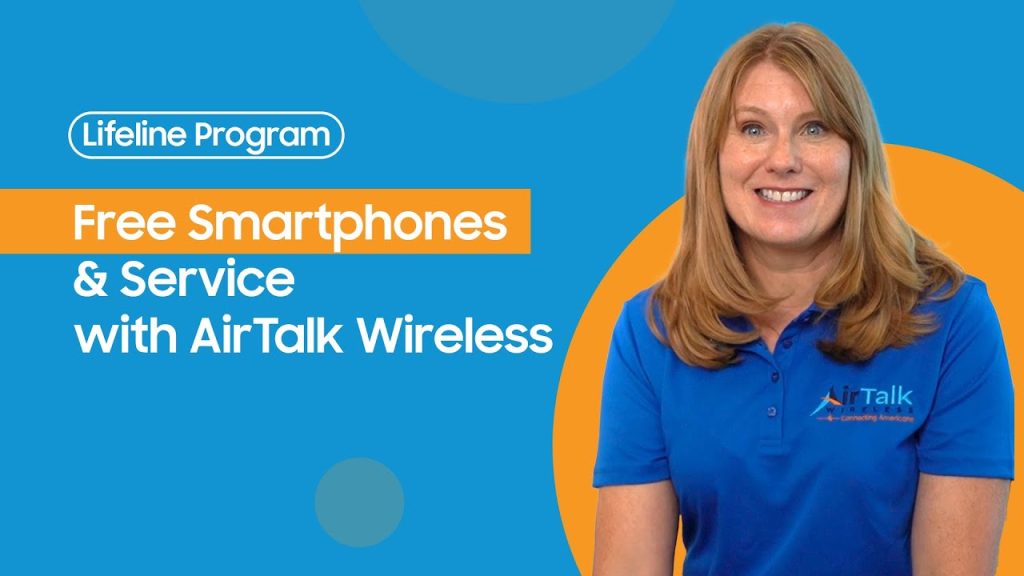
These benefits can help eligible individuals stay connected while searching for dental assistance, communicating with clinics, and managing appointments.
Note: Eligibility varies by state and program. Offers depend on availability and qualifications. AirTalk Wireless and Cintex Wireless operate under the federal Lifeline Program as an Eligible Telecommunications Carrier (ETC). Service is non-transferable and limited to one service per household.
Conclusion
Access to free dental work for low-income adults often begins with exploring several local assistance programs. But Medicaid, community health centers, charitable clinics, dental schools, outreach events, and VA benefits can make essential care more accessible.
Check each provider’s eligibility rules, available treatments, and total costs before scheduling. Most importantly, do not delay professional care when dental pain, infection, swelling, or bleeding becomes urgent.