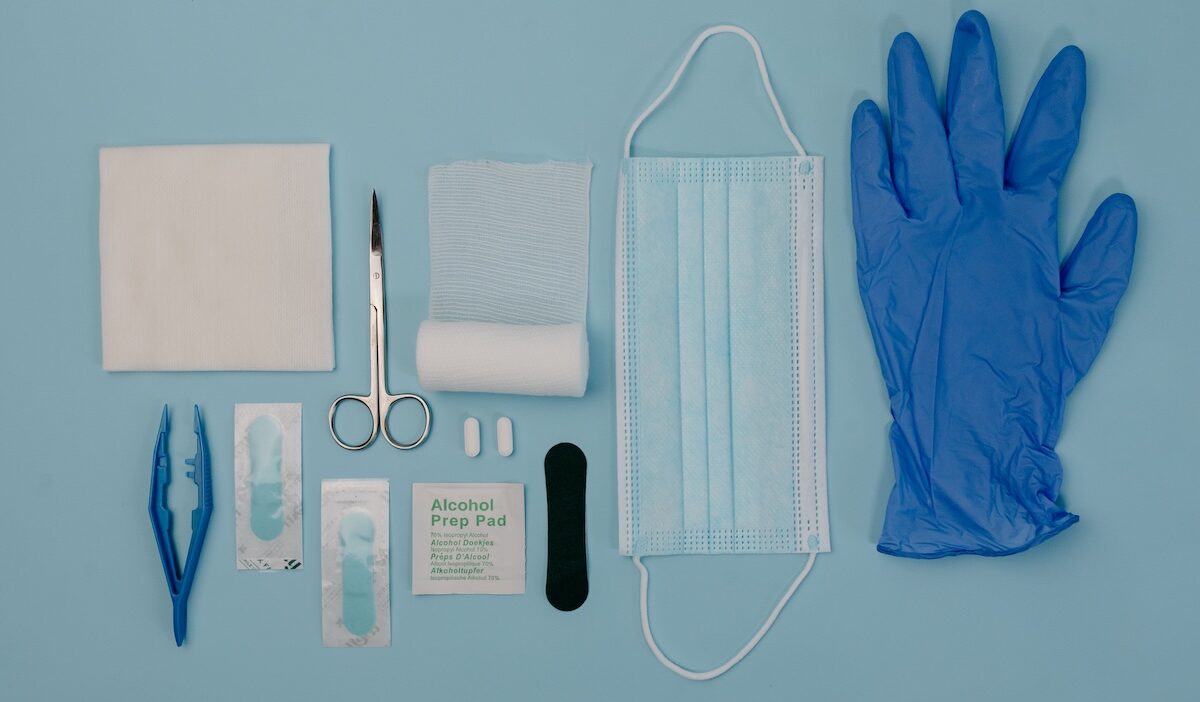
Medicaid free supplies can make a meaningful difference for people who rely on medical equipment, testing products, or everyday healthcare items to manage a condition.
However, Medicaid does not provide every supply for every situation. Coverage usually depends on whether the item is medically necessary, prescribed by a healthcare provider, and included under your state’s Medicaid rules.
This guide explains which medical supplies Medicaid may cover, who may qualify, what steps are needed to request coverage, and how to better understand your available benefits.
1. What Medicaid Free Supplies May Be Available?
The medical supplies Medicaid covers vary by state, Medicaid plan, and medical need. In many cases, coverage is available for supplies that are prescribed by a healthcare provider and considered necessary for treatment, daily care, or managing a health condition.
Diabetes testing and treatment supplies
People with diabetes may receive coverage for supplies such as:
- Blood glucose meters
- Test strips
- Lancets
- Insulin syringes or pen needles
- Continuous glucose monitor (CGM) supplies, when covered
Coverage criteria may include diagnosis requirements or prior authorization.
Incontinence and other disposable medical supplies
Some Medicaid programs may cover incontinence supplies, such as adult briefs, underpads, gloves, and catheters, when they are medically necessary and meet program requirements.
Medical documentation is often required before these Medicaid free supplies are approved.
Wound, ostomy, respiratory, and chronic-care supplies
Depending on your condition, Medicaid may also cover:
- Wound dressings
- Ostomy bags and accessories
- Nebulizer supplies
- Oxygen-related supplies
- Feeding tube supplies
These items are generally covered when prescribed as part of ongoing treatment.
Pregnancy, postpartum, and infant Medical supplies
Some Medicaid programs cover certain pregnancy, postpartum, or infant-related supplies, such as breast pumps or medically necessary items, depending on state policy and eligibility requirements.
Durable Medical Equipment (DME)
Some Medicaid free supplies fall under Durable Medical Equipment (DME), including:
- Wheelchairs
- Walkers
- Crutches
- Hospital beds
- Blood pressure monitors
- CPAP equipment
Many DME items require a prescription and prior authorization before coverage is approved.
2. Who Can Get Medical Supplies Through Medicaid?
Not every Medicaid member automatically qualifies for every item. Coverage decisions are based on the person’s condition and the requirements for that specific supply.
Medicaid members with a documented medical need
The most common requirement is a documented medical condition that makes the supply necessary for treatment or daily care.
Children under 21 and EPSDT coverage
Children may receive broader coverage through the Early and Periodic Screening, Diagnostic, and Treatment (EPSDT) benefit. In some situations, EPSDT allows coverage for medically necessary items that adults may not receive.
Adults may have different state-specific limits
Adult benefits vary more widely between states. Some medicaid free supplies may have quantity limits, replacement schedules, or prior authorization requirements.
Medical conditions can affect which supplies are covered
Coverage is based on your diagnosis and treatment needs. Two Medicaid members may qualify for different supplies even if they have the same health plan because their medical conditions differ.
>>> Read more: Medicaid Diapers: Coverage, Eligibility & How to Get Supplies
3. How To Get Medical Supplies Covered By Medicaid
Getting medical supplies covered through Medicaid usually involves confirming coverage requirements, obtaining documentation from a healthcare provider, and working with an approved supplier.
Step 1. Check Whether The Item Is Covered
Before ordering supplies, confirm whether the item is covered under your state’s Medicaid program and whether prior authorization is required.
Step 2. See your healthcare provider
Visit your healthcare provider for an evaluation. They can determine whether the requested medicaid free supplies are medically necessary for your condition.
Step 3. Get a prescription or Medical order if required
Many medical supplies require a prescription or written medical order before Medicaid will approve coverage.
Step 4. Use a Medicaid-participating supplier or pharmacy
Fill your prescription through a pharmacy or medical equipment supplier that accepts Medicaid. Using participating providers helps ensure claims are processed correctly.
Step 5. Follow refill and replacement rules
Many covered supplies have refill schedules or replacement limits. Understanding these rules helps you continue receiving medicaid free supplies without unnecessary interruptions.
4. What Documentation May Be Required?
Before approving coverage for medical supplies, Medicaid may ask for documents showing both your eligibility and your medical need. Having these ready can help avoid delays.
Your Medicaid ID Card
Your Medicaid ID confirms your active coverage and allows participating suppliers or pharmacies to verify your benefits before providing covered items.
A Doctor’s Prescription
Many Medicaid free supplies require a prescription or written medical order from a healthcare provider. The prescription should identify the item and explain why it’s needed.
Medical Records Supporting The Request
Your provider may need to submit medical records showing your diagnosis, symptoms, treatment plan, or ongoing medical condition. These records help demonstrate medical necessity.
Prior Authorization If Required
Some supplies, particularly higher-cost items or Durable Medical Equipment, require prior authorization before Medicaid will approve payment. Requirements vary by state and Medicaid plan.
>>> Read more: Free Baby Stuff Through Insurance: Hidden Benefits Parents Miss
5. Your Medicaid Eligibility Could Open The Door To More Savings
Medicaid covers more than doctor visits and prescriptions.
Many recipients don’t realize that alongside medical supplies, they may also qualify for affordable phone service through the Federal Lifeline Program, a federal benefit that lowers the monthly cost of staying connected.
Who Qualifies
Eligibility for Lifeline runs through several paths. Medicaid recipients are automatically eligible, since Medicaid is one of the qualifying programs under Lifeline’s guidelines.
If Medicaid doesn’t apply to you, eligibility can also be established through the income threshold or through participation in programs like SSI, SNAP, or Section 8.
How the Benefit Reaches You
Lifeline itself is a subsidy, not a service provider.
Enrollment and plan selection are handled by participating Eligible Telecommunications Carriers (ETCs), which is where a company like Cintex Wireless comes in.
The carrier has spent years serving eligible households, with a focus on closing gaps in access to connectivity.
What sets Cintex apart is that its support doesn’t stop at the monthly discount. Qualifying applicants can also receive a free or discounted device, addressing both the cost of service and the cost of the phone itself.
Cintex’s recent merger with AirTalk Wireless adds to that offering, giving applicants access to an upgraded platform and a broader range of devices to choose from.
What’s Included
Approved applicants can expect:
- Free or discounted phones and tablets to choose from
- Monthly data with talk and text included
- International calling
- No contracts, credit checks, or activation fees
DISCLAIMER: The government does not subsidize devices. Lifeline programs cover basic service costs only. Free or discounted devices, upgrade plans, or top-ups are exclusive benefits provided by Cintex Wireless and AirTalk Wireless as part of the promotional offers. Terms and conditions apply. Limited-time promotion—offers vary by state, stock availability, and eligibility.
6. FAQs
Does Medicaid pay for over-the-counter medical supplies?
Sometimes. Some OTC supplies may be covered when they are considered medically necessary and meet your state’s Medicaid requirements.
Can Medicaid cover diabetic supplies?
Yes. Many Medicaid programs cover diabetic testing supplies, insulin delivery supplies, and other diabetes-related equipment when medically necessary and prescribed by a healthcare provider.
Does Medicaid provide free baby supplies?
Some Medicaid programs cover certain pregnancy, postpartum, or infant-related medical supplies when eligibility and medical necessity requirements are met.
How often can I receive replacement medical supplies through Medicaid?
Replacement schedules depend on the type of supply, your medical needs, and your state’s Medicaid rules. Some items have refill limits or replacement intervals before Medicaid will cover new supplies.
Conclusion
Understanding Medicaid free supplies starts with knowing that Medicaid coverage is based on medical necessity, your state’s rules, and the requirements of your specific Medicaid plan.
While covered items vary from state to state, many Medicaid members may receive essential medical supplies when they have the right documentation, provider support, and approval process in place. Checking your coverage requirements and working with approved suppliers can help you better understand what support may be available.