
Florida Medicaid waivers help eligible residents receive long-term care services at home or in community settings instead of entering a nursing facility.
However, these programs work differently from regular Medicaid and have their own eligibility requirements, assessments, and enrollment limits.
This guide explains how Florida Medicaid waivers work, who may qualify, and how to start the application process.
1. What Is a Medicaid Waiver Florida?
A Medicaid waiver Florida provides Home and Community-Based Services (HCBS), letting eligible people receive care at home or in the community instead of in a nursing home or hospital.
Florida offers several waiver programs, each targeting a specific group, such as seniors, adults with disabilities, or medically fragile children.
The word “waiver” refers to the state waiving certain federal Medicaid rules that would otherwise require care to happen in an institution.
This lets Florida direct funding toward home caregivers, adult day programs, and other community services instead. Each waiver still requires a financial review and a clinical assessment before enrollment.
2. What Are the Major Florida Medicaid Waiver Programs?
Florida does not run one single waiver program. Three main programs cover most applicants, and each targets a different age group or diagnosis.
Knowing which one applies to your situation is the first step before checking income rules.
| Program | Who It Serves | Administered By |
| SMMC LTC | Adults 65+, or 18+ with a qualifying disability, needing nursing facility level of care | AHCA |
| iBudget Florida Waiver | People with developmental disabilities, including autism, cerebral palsy, and spina bifida | Agency for Persons with Disabilities (APD) |
| Model Waiver | Medically fragile children age 20 or younger at risk of hospital or nursing facility placement | AHCA |
>>> Read more: Nursing Homes for Dementia Patients That Accept Medicaid: 2026 Guide
3. What Are the Income Limits for Florida Medicaid Waivers?
Florida Medicaid waiver financial rules depend on the specific program and the applicant’s situation.
For many long-term care Medicaid programs, the income limit is tied to 300% of the SSI Federal Benefit Rate, while asset limits and other rules may also apply.
Applicants who exceed certain income limits may have additional options, such as a Qualified Income Trust (Miller Trust), depending on the program and eligibility requirements.
4. Is There a Difference Between Medicaid and a Medicaid Waiver?
Yes. Regular Medicaid covers standard medical services like doctor visits and hospital care.
A Medicaid waiver specifically funds home and community-based services as an alternative to nursing home or institutional care, allowing the state to waive certain federal rules to deliver that care in the community instead.
You can have regular Medicaid without a waiver. A waiver is specifically for people who need long-term care support and meet both financial and functional eligibility requirements.
5. Do Florida Medicaid Waivers Have Waitlists?
Some do. SMMC LTC uses a frailty-ranked waitlist rather than automatic enrollment, and iBudget Florida has historically maintained a large waitlist, with the number changing over time based on available funding, enrollment, and program capacity.
A major 2026 change, HB 1103, is expanding managed care access statewide in July 2026 to more Medicaid-eligible individuals with developmental disabilities, including those currently on the waitlist.
Being placed on a waitlist does not mean an application was denied. It means the applicant qualifies but is waiting for a program slot to open, and priority is often based on urgency of need rather than application date alone.

6. How Do You Apply for a Medicaid Waiver Florida?
Applications go through different agencies depending on the program you need. SMMC LTC applications go through the Department of Children and Families and the Elder Helpline, while iBudget applications go through the Agency for Persons with Disabilities.
Applicants generally need to meet both financial requirements and a functional assessment showing that they need the level of care provided through the waiver.
- Confirm which waiver program fits your situation: senior or disabled adult, developmental disability, or medically fragile child
- Contact the relevant agency: AHCA or DCF for SMMC LTC, APD for iBudget
- Complete the financial eligibility review covering income and assets
- Complete the clinical or functional level of care assessment
- Enroll, or join the program waitlist if a slot is not yet available
>>> Read more: Pregnancy Medicaid Florida: Get Faster Coverage (2026)
7. Florida Medicaid Waiver Recipients Can Also Cut Their Phone Bill
If you or a family member qualifies for a Medicaid waiver Florida, that Medicaid eligibility also opens up a separate benefit unrelated to long-term care. It’s called Lifeline.
The Lifeline program helps Medicaid recipients or eligible residents in the US get discounts on their monthly phone service or internet service, up to $9.25 a month standard, or up to $34.25 a month on Tribal lands. Lifeline itself provides the discount, not a device.
Besides Medicaid, households can qualify for Lifeline if they:
- Participate in qualifying federal programs like SNAP, SSI, Section 8, or Veterans Pension
- Have a household income at or below 135% of the federal poverty guidelines
To get the discount, you need to apply through an approved Lifeline provider, also known as Eligible Telecommunications Carriers (ETCs)
Cintex Wireless is one such carrier, and its offer goes beyond the monthly credit to include a free or discounted device for qualifying applicants.
Recently, the carrier has merged into AirTalk Wireless, bringing an upgraded platform and a wider device selection for new eligible households.
Applying is pretty straightforward:
- Visit the carrier’s website and enter your ZIP code to confirm service is available in your area.
- Browse the available plans and devices, then choose the option that fits your needs.
- Provide the required information and upload proof of eligibility if requested.
- Submit your application and wait for a decision. Once approved, you can start using your benefits.
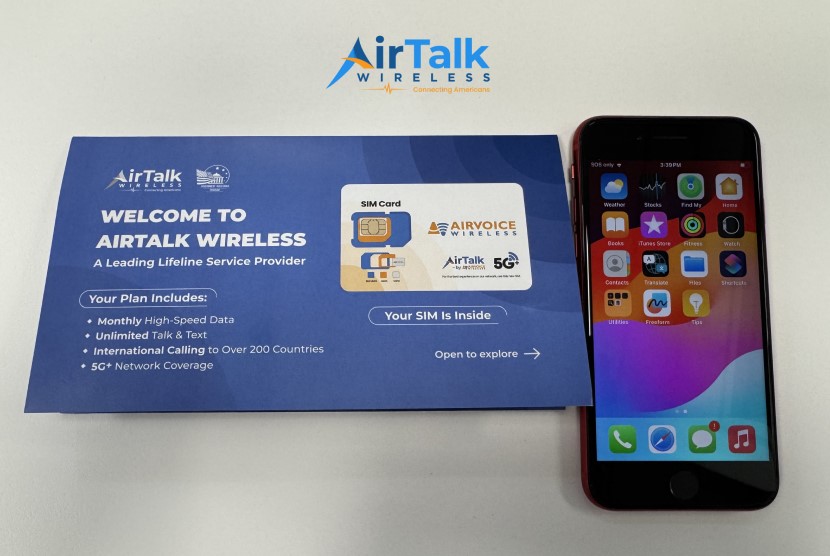
DISCLAIMER: The government does not subsidize devices. Lifeline programs cover basic service costs only. Free or discounted devices, upgrade plans, or top-ups are exclusive benefits provided by AirTalk Wireless and Cintex Wireless as part of the promotional offers. Terms and conditions apply. Limited-time promotion—offers vary by state, stock availability, and eligibility.
8. Frequently Asked Questions
Q1. How do you qualify for a Medicaid waiver?
You must meet residency, financial, and clinical or functional level-of-care requirements specific to the program you are applying for, whether that is SMMC LTC, iBudget, or the Model Waiver.
Q2. What does a Florida Medicaid waiver cover?
Coverage includes home and community-based services such as personal care, adult day care, meal delivery, respite care, and therapy, depending on which specific program you enroll in.
Q3. How much money can you have in the bank to get Medicaid in Florida?
Most waiver applicants must keep countable assets at or below $2,000 for a single person, though a healthy spouse can keep a protected share of shared assets.
Conclusion
Choosing the right Medicaid waiver Florida program depends on your age, health needs, financial situation, and the type of support you need.
Because each waiver has different eligibility rules and enrollment processes, contacting the appropriate agency early can help you understand your options and prepare for the next steps.