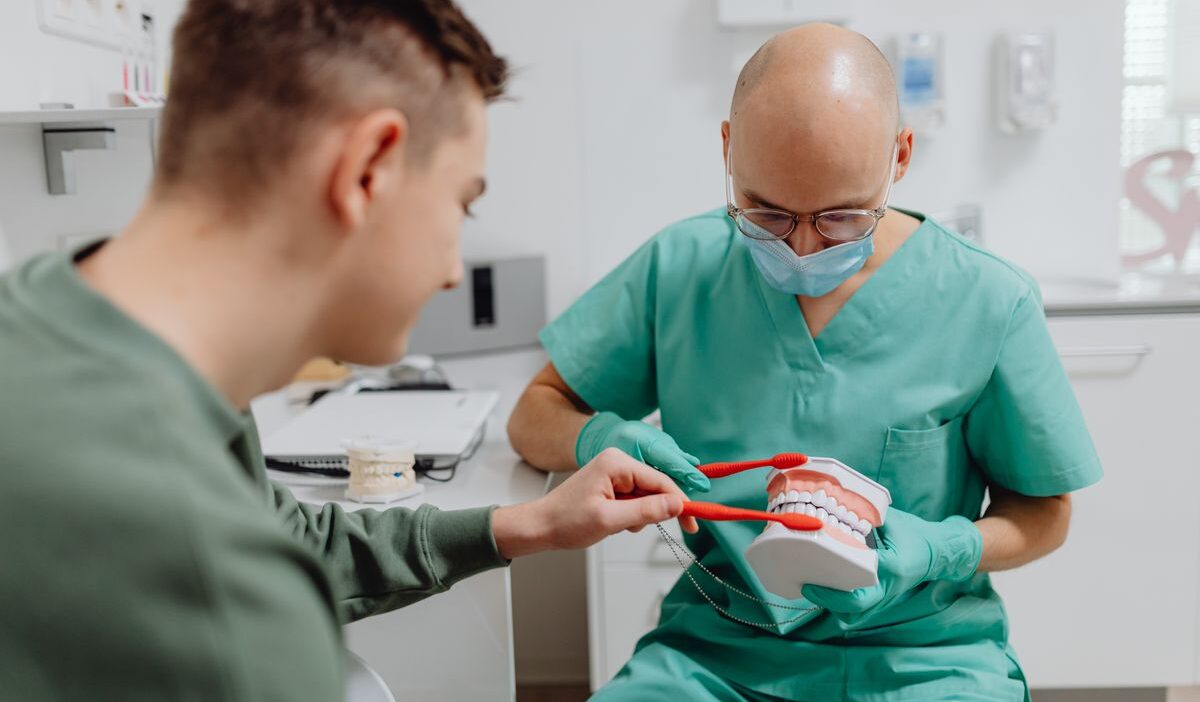
Does Medicaid cover braces in Texas? Texas Medicaid may cover orthodontic treatment for eligible children and young adults when braces are considered medically necessary. However, having Medicaid coverage alone does not guarantee approval.
Eligibility depends on factors such as the patient’s age, dental condition, supporting records, Medicaid dental plan requirements, and prior authorization approval. This guide explains who may qualify, what conditions may be considered, and how to request orthodontic coverage through Texas Medicaid.
1. Does Medicaid Cover Braces in Texas?
Texas Medicaid may cover braces for eligible children and young adults when orthodontic treatment is needed to correct a serious dental or functional problem.
Approval depends on whether the condition meets the plan’s medical-necessity requirements and whether the request is approved through the required review process.
According to the Texas Medicaid & Healthcare Partnership, Texas Medicaid recognizes several levels of orthodontic care for severe handicapping malocclusion, and prior authorization is required for these services.
However, Medicaid does not typically pay for braces requested only to straighten mildly uneven teeth or improve a smile’s appearance. A diagnosis alone also does not guarantee approval.
The plan must review the orthodontist’s findings and determine whether the requested care satisfies its coverage criteria.
The answer to does Medicaid cover braces in Texas therefore depends on several factors:
- The patient’s age and Medicaid eligibility status
- The severity of the dental or orthodontic condition
- The effect of the condition on daily functions such as biting or chewing
- Documentation provided by the orthodontist
- The requirements of the Medicaid dental plan
- Prior authorization approval
Orthodontic coverage for adults through Texas Medicaid is generally more limited than coverage for children and young adults. Adults should confirm their benefits with their Medicaid dental plan before scheduling treatment or agreeing to any costs.
2. Who May Qualify for Medicaid Braces in Texas?
Understanding does Medicaid cover braces in Texas requires more than checking whether a patient has a Medicaid card.
Enrollment is only the starting point. The patient, orthodontic condition, provider, and treatment request must meet the requirements set by the Medicaid dental plan.
Potential candidates may include children or young adults enrolled in Texas Medicaid who have a medically necessary orthodontic condition.
They must generally receive an evaluation from an orthodontist who accepts their specific Medicaid dental plan.
Orthodontic Conditions That May Be Considered
Texas Medicaid may review orthodontic requests involving conditions such as:
- Severe bite problems that affect normal function
- Difficulty biting, chewing, or speaking
- Jaw or dental development concerns
- Certain injury-related orthodontic issues
- Dental conditions connected to other medically necessary treatment
Meeting one of these conditions does not guarantee approval. Each request is reviewed individually based on clinical records and plan requirements.
Records and Approval Requirements
Before the plan can decide does Medicaid cover braces in Texas for a particular patient, the dental plan may require:
- Orthodontic examination results
- X-rays, photographs, or dental models
- Documentation explaining medical necessity
- Proposed treatment plan
- Prior authorization request
Requirements may vary by Medicaid dental plan, so families should confirm the process with their specific plan and orthodontist.
3. How to Get Braces Through Texas Medicaid?
Families researching does Medicaid cover braces in Texas can follow these steps to understand eligibility, complete required reviews, and avoid starting treatment before approval.
Step 1: Confirm Dental and Orthodontic Benefits
Contact the Medicaid dental plan listed on your card to confirm whether orthodontic services are covered, what requirements apply, and whether a referral or prior authorization is needed.
Step 2: Find an Orthodontist Who Accepts the Plan
Find an orthodontist who participates in your specific Medicaid dental plan. Confirm that the office accepts your plan and is currently accepting Medicaid patients before scheduling an evaluation.
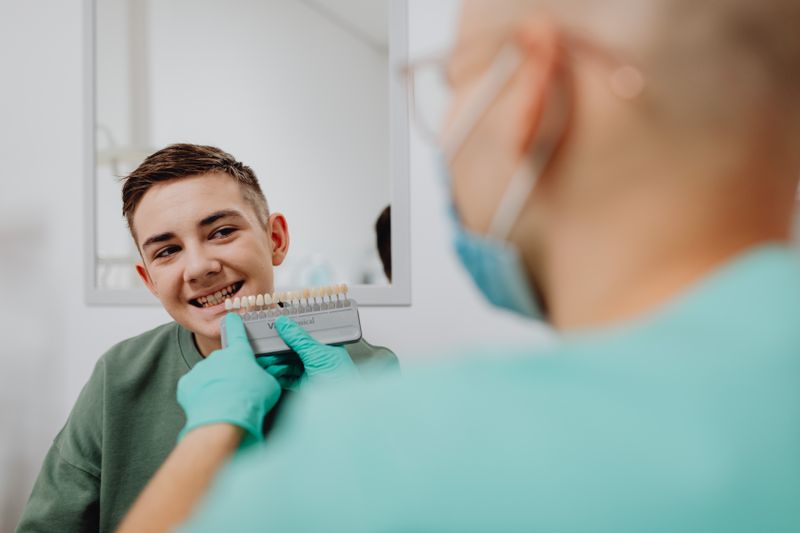
Step 3: Complete an Orthodontic Evaluation
The orthodontist will examine the patient’s teeth and jaw, assess how the condition affects oral function, and collect the necessary diagnostic records. This appointment does not mean braces have been approved.
Step 4: Submit Prior Authorization
Prior authorization is generally required before covered orthodontic treatment begins. The orthodontist submits records and treatment details for the dental plan to review.
Step 5: Review the Decision and Begin Approved Care
Read the approval notice carefully. Confirm which services, treatment period, and follow-up visits are authorized. Ask the orthodontic office about any expenses that Medicaid will not cover before signing an agreement.
>>> Read More: What Is The Difference Between Medicare And Medicaid? 2026 Easy Explanation
4. What Can You Do If Medicaid Denies Braces Coverage?
A denial does not always mean the process is over. When the answer to does Medicaid cover braces in Texas is negative for a specific request, first ask the plan or orthodontist for the exact reason in writing.
Review whether additional information is needed, such as X-rays, photographs, measurements, or documentation explaining how the condition affects daily function.
The provider may be able to correct an error or submit additional evidence. Families should also review the denial notice for appeal or fair-hearing instructions, submission deadlines, and contact details.
If coverage remains unavailable, consider asking about:
- Interest-free or reduced-cost payment arrangements
- Orthodontic services offered through dental schools
- Community clinics or nonprofit dental programs
- Discounts for paying through an office-approved schedule
Do not assume that an alternative program is free. Confirm its eligibility rules, total charges, and services before enrolling.
5. Keep Every Step of Orthodontic Care on Track
Texas Medicaid covers braces for children and teens only when there’s a documented medical necessity, such as a severe malocclusion, with coverage for adults being far more limited.
While you’re working through what qualifies for orthodontic coverage, it’s worth knowing that Medicaid eligibility can open up a separate benefit: the Federal Lifeline Program.
Lifeline has been running since 1985, established by the Federal Communications Commission and administered nationwide by the Universal Service Administrative Company (USAC).
It’s designed to make phone service and internet service more affordable for low-income households, offering a standard discount of $9.25 per month, with an enhanced discount of $34.25 per month for eligible households on Tribal lands.
Being approved for Texas Medicaid usually means you’re already within reach of Lifeline too, since the two programs rely on similar qualifying standards.
If Medicaid doesn’t apply to your household, the income threshold on its own can qualify you, and so can programs like SSI, SNAP, or Section 8.
Just one discount is allowed per household, and it can’t be shared with another family member.
The discount itself is federally funded, but it’s put into action by carriers approved to participate in the program. One of them, Cintex Wireless, has spent years building a reputation for helping eligible households get connected, going beyond the monthly credit to include a free or discounted device for those who qualify.
More recently, Cintex announced it has merged into AirTalk Wireless. The move gave applicants access to a broader lineup of devices and a more refined sign-up experience.
Between tracking down orthodontic paperwork and staying in touch with your child’s dental provider, a reliable phone matters more than it might seem. Lifeline, whether at $9.25 or $34.25 off each month, helps keep that line open without adding much to your budget.
Conclusion
The answer to does Medicaid cover braces in Texas depends on the patient’s eligibility, clinical needs, and prior authorization decision. Coverage may be available for eligible children and young adults whose orthodontic treatment is medically necessary and approved in advance. Cosmetic treatment and most adult orthodontic care are generally not covered.
Families should confirm benefits, choose an approved orthodontist, gather complete clinical records, and wait for authorization before beginning care. If a request is denied, reviewing the reason, supplying missing evidence, and following the appeal process can help families identify their next practical step.