Keeping track of your blood pressure at home is one of the easiest ways to catch changes before they become bigger health problems. If your doctor recommends regular monitoring, buying a home blood pressure monitor may feel like another expense to worry about.
Before purchasing a device yourself, it’s worth understanding how to get a free blood pressure monitor Medicaid, what requirements may apply, and what steps can improve your chances of receiving coverage.
1. How To Get A Free Blood Pressure Monitor Medicaid
If you’re wondering how to get a free blood pressure monitor Medicaid, the first thing to know is that Medicaid does not automatically provide a home blood pressure monitor to every beneficiary.
Coverage depends on your state’s Medicaid rules, your medical condition, and whether your healthcare provider documents the device as medically necessary.
Who May Qualify
You may qualify for coverage if your healthcare provider determines that monitoring your blood pressure at home is an important part of managing your condition. Examples may include:
- High blood pressure requiring ongoing monitoring
- Pregnancy-related hypertension
- Kidney disease
- Heart disease or other cardiovascular conditions
- Other medical conditions where home blood pressure readings help guide treatment
Why Medical Necessity Matters
Medical necessity is often the deciding factor when determining how to get a free blood pressure monitor Medicaid.
Medicaid coverage generally focuses on services and equipment considered medically necessary to diagnose, treat, or manage a health condition.
Whether a home blood pressure monitor qualifies depends on your state’s Medicaid benefits, your health plan, and your provider’s documentation.
2. What To Do If Your Medicaid Program Covers A Home Blood Pressure Monitor
If your state’s Medicaid program covers home blood pressure monitors, following the correct process can help avoid unnecessary delays. While the exact requirements vary, these steps are commonly part of how to get a free blood pressure monitor Medicaid.
Step 1. Ask your healthcare provider whether home monitoring is appropriate
Schedule an evaluation with your healthcare provider first. They can determine whether regular home blood pressure monitoring is medically appropriate and whether a monitor should become part of your treatment plan.
Step 2. Get an order or prescription if required
Some Medicaid programs require a prescription or medical order before covering durable medical equipment or home monitoring devices.
Step 3. Use a Medicaid-enrolled supplier or pharmacy
When learning how to get a free blood pressure monitor Medicaid, remember that even if your monitor qualifies for coverage, Medicaid may only pay when you obtain it through a Medicaid-enrolled supplier, pharmacy, or medical equipment provider.
Step 4. Complete any required authorization or coverage steps
Certain states or Medicaid plans require prior authorization before approving payment for a home blood pressure monitor.
Step 5. Confirm pickup, delivery, and replacement rules
Some Medicaid programs also have replacement schedules or coverage limits, so understanding these rules ahead of time can help you avoid surprises later.
>>> Read more: Medicaid Free Supplies: What Medical Items May Be Covered
3. What Blood Pressure Monitors Does Medicaid Usually Cover?
If you’re researching how to get a free blood pressure monitor Medicaid, it’s also helpful to know that Medicaid does not necessarily cover every blood pressure monitor available in stores.
Covered devices usually depend on your state’s Medicaid rules, your provider’s recommendation, and whether the equipment meets your plan’s requirements.
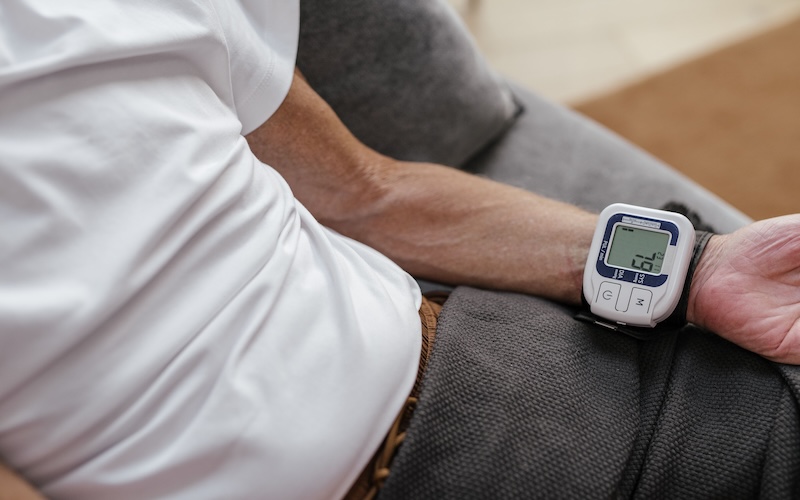
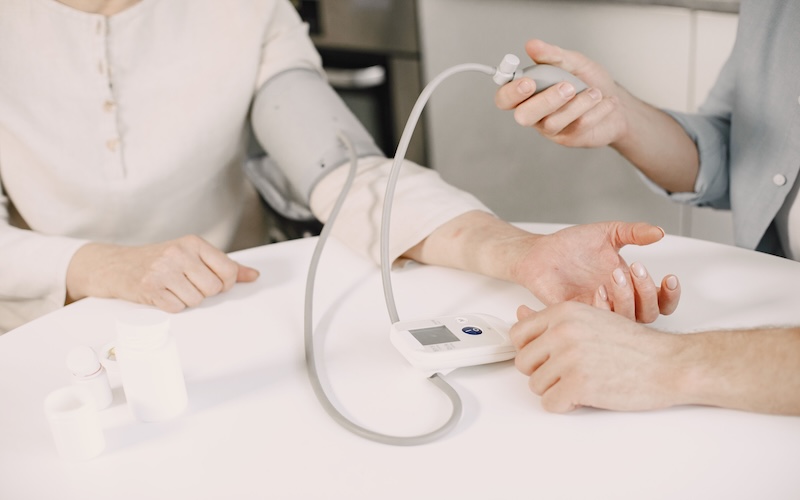
- Automatic upper-arm blood pressure monitors are commonly recommended because many healthcare providers consider them reliable and easier for patients to use correctly. However, the specific device covered depends on your Medicaid program and plan requirements.
- Clinically validated home monitors: Some Medicaid programs or healthcare providers may require devices that meet certain accuracy standards or quality guidelines.
- Standard home monitoring devices: Basic monitors that meet your medical needs are more likely to be covered than models with extra convenience features.
4. Why Medicaid May Not Pay For The Monitor
Even if you’re following how to get a free blood pressure monitor Medicaid, approval isn’t guaranteed. Understanding the most common reasons for denial can help you identify potential issues before submitting your request.
- The device is not covered under your state’s benefit
Some Medicaid programs may cover home blood pressure monitors under durable medical equipment (DME) benefits, while others may have different coverage limits, eligibility requirements, or approval processes.
- Medical need was not adequately documented.
A diagnosis alone may not be enough. Medicaid often requires documentation showing why home monitoring is medically necessary and how the device will support your treatment plan.
- The requested model or features exceed the covered benefit
Many people searching how to get a free blood pressure monitor Medicaid are interested in premium devices with Bluetooth, smartphone apps, memory storage, or advanced tracking features.
- A required order or authorization is missing.
Some Medicaid plans require a physician’s order, prescription, or prior authorization before covering medical equipment. Missing any required paperwork may delay or prevent approval.
- The supplier is not enrolled with Medicaid.
Even when the monitor itself qualifies for coverage, Medicaid may deny payment if it is purchased from a supplier or pharmacy that does not participate in your state’s Medicaid program.
>>> Read more: Does Medicaid Cover Prescriptions? A Complete Coverage Guide
5. What If Medicaid Will Not Pay For A Blood Pressure Monitor?
If you’re exploring how to get a free blood pressure monitor Medicaid, a Medicaid denial doesn’t always mean you’ve run out of options. Depending on where you live, other programs may help reduce the cost of a home monitor.
- Ask about health plan wellness benefits.
Some Medicaid managed care plans offer wellness programs or member benefits that include health-related equipment or incentives. Contact your health plan to see whether home monitoring devices are available.
- Check with your clinic or health system.
If you’re researching how to get a free blood pressure monitor Medicaid, hospitals, community clinics, and primary care practices may also provide blood pressure monitors through chronic disease management programs, especially for patients with hypertension or heart disease.
- Look for community hypertension programs.
Some local health departments, nonprofit organizations, and community health programs may offer blood pressure monitoring resources or assistance programs. Availability depends on your location and the programs available in your area.
- Ask about lower-cost validated home monitors.
If coverage isn’t available, your healthcare provider or pharmacist may recommend a clinically validated monitor that offers reliable readings at a lower cost than premium models. Choosing a simpler device can still support effective home monitoring without unnecessary expense.
6. Home Monitoring Works Best When Your Care Team Can Follow Up
To benefit from home monitoring, your healthcare provider needs to review your readings, adjust medications when necessary, and decide whether additional care is needed. Staying connected with your care team helps make those daily blood pressure readings more meaningful.
If you qualify for Medicaid, you may also qualify for the Federal Lifeline Program, a federal assistance program that helps eligible households reduce the cost of qualifying phone service or internet service.
If Medicaid is not within your reach, you can also qualify if you meet the income threshold or are participating in other programs like SNAP, SSI, etc.
Although Lifeline establishes the program’s eligibility requirements, it does not provide wireless service directly.
Instead, eligible households enroll through participating Eligible Telecommunications Carriers (ETCs), which verify eligibility and deliver Lifeline-supported service.
Cintex Wireless is one of those participating ETCs and has now merged into AirTalk Wireless, giving eligible applicants a more streamlined place to explore available Lifeline-supported plans and complete enrollment. If you qualify, the application process generally includes:
- Confirm service availability by entering your ZIP code on the AirTalk Wireless website.
- Choose whether to use your own compatible phone or select an eligible free or discounted device, along with a Lifeline-supported service plan.
- Complete the online application using your Medicaid information and upload any required supporting documents.
- Submit your application. Once approved, follow the activation instructions to begin using your Lifeline-supported wireless service.
Having reliable phone service can make it easier to schedule appointments, discuss home blood pressure readings, refill prescriptions, receive Medicaid notices, and stay connected with your healthcare team.
IMPORTANT: The government does not subsidize devices. Lifeline programs cover basic service costs only. Free or discounted devices, upgrade plans, or top-ups are exclusive benefits provided by Cintex Wireless and AirTalk Wireless as part of the promotional offers. Terms and conditions apply. Limited-time promotion—offers vary by state, stock availability, and eligibility.
7. FAQs
Can Medicaid pay for a home blood pressure monitor?
Yes, some Medicaid programs may cover a home blood pressure monitor when it is considered medically necessary. Coverage depends on your state’s Medicaid rules, your health condition, and whether you complete any required approval steps.
Do I need a prescription to get a blood pressure monitor through Medicaid?
Many Medicaid programs require a prescription or medical order before covering a home blood pressure monitor. Some states or managed care plans may also require additional documentation or prior authorization.
Will Medicaid replace a broken blood pressure monitor?
Possibly. Some Medicaid plans cover replacement if the monitor is no longer working or has reached the end of its useful life. Replacement policies vary by state and may require additional documentation.
Does every state cover blood pressure monitors under Medicaid?
No. Medicaid benefits are administered by each state, so coverage for home blood pressure monitors differs. Before purchasing a device, check your state’s Medicaid program or contact your healthcare provider to understand the coverage requirements.
Conclusion
Understanding how to get a free blood pressure monitor Medicaid begins with checking your state’s coverage rules and confirming that the device is medically necessary for your condition.
While approval isn’t automatic, working with your healthcare provider, using a Medicaid-enrolled supplier, and completing the required coverage steps can improve your chances of receiving a covered monitor.