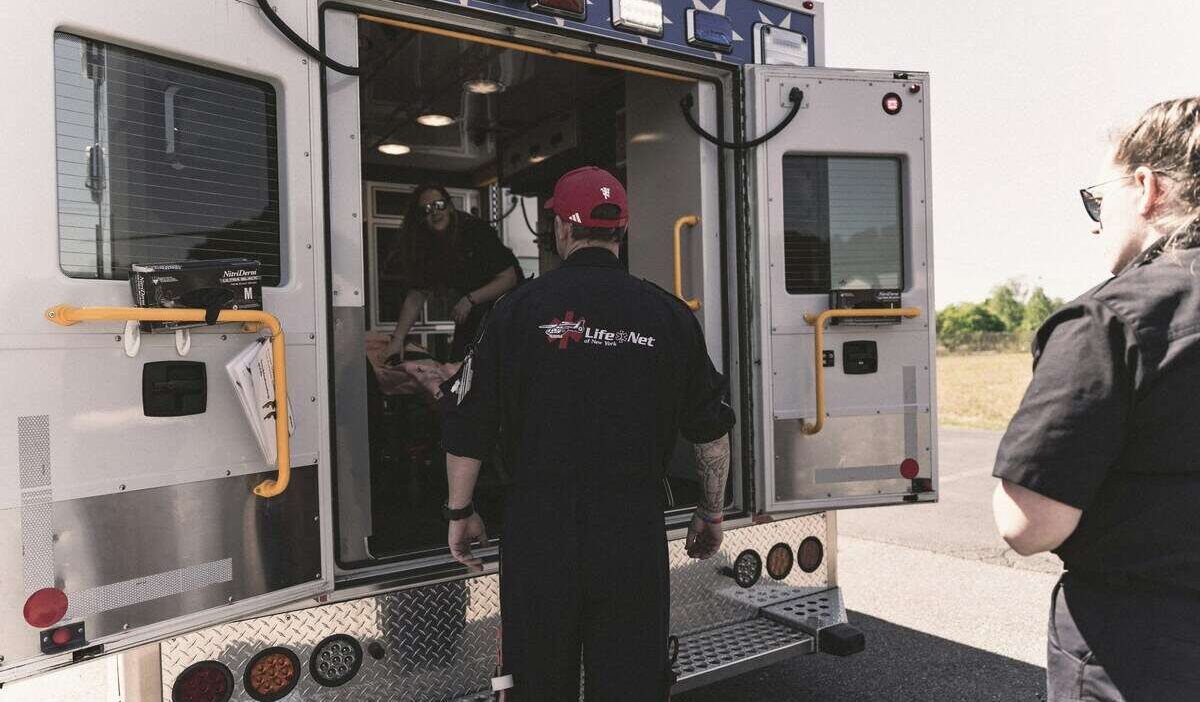
Medical transportation services near me is a search that depends heavily on who’s asking. A Medicaid beneficiary, a senior without Medicaid, and a veteran each have a different best option, and a general web search often buries the free or covered ones under paid services.
This guide explains which type fits your situation, what it typically covers, and how to actually book a ride.
1. How to Find Medical Transportation Services Near Me?
How you find medical transportation services near you depends on your specific situation. Most Medicaid beneficiaries go through their state’s non-emergency medical transportation (NEMT) broker, while seniors, veterans, and private-pay patients often have separate, more direct options available locally.
A general web search alone often surfaces private companies that charge full price, when a covered option may already be available through your specific benefit.
Checking your own coverage first can save you from paying out of pocket for a ride that would otherwise be free.
2. What Are Medical Transportation Services?
Not every ride to a medical appointment comes from the same source. Four categories cover most situations people search for. Knowing which one fits you first narrows the search significantly.
- Medicaid NEMT: scheduled through your state’s transportation broker, covers ambulatory, wheelchair, or stretcher rides to Medicaid-covered appointments
- Public or ADA paratransit: local transit agencies often run a separate program for riders who can’t use standard public transit due to a disability
- Veteran-specific transportation: organizations like Disabled American Veterans (DAV) operate volunteer driver networks providing free rides to and from VA medical facilities
- Private pay options: ambulette services, medical rideshare, or standard rideshare apps for people without a covered transportation benefit
3. Does Medicaid Cover Medical Transportation?
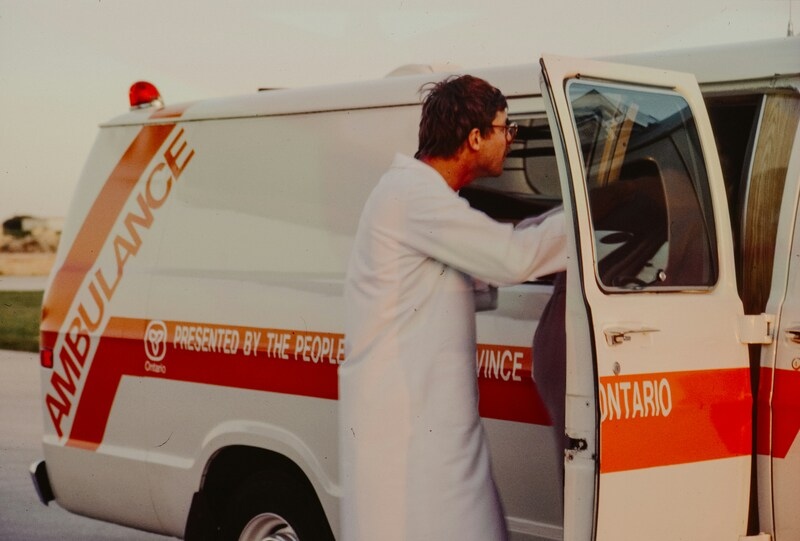
Medicaid may cover non-emergency medical transportation (NEMT) for eligible beneficiaries when transportation is needed to access covered medical services. Coverage isn’t automatic for every trip, and a few rules shape what actually gets paid for.
- Coverage rules vary by state, since each state runs its own NEMT program
- Some states manage this benefit directly, while others route it through Medicaid managed care plans
- Prior approval or advance scheduling may be required before a ride is confirmed
- Transportation is generally limited to medical appointments, not everyday errands like grocery runs
>>> Read more: How Much Can You Make to Qualify for Medicaid? By Category and State
4. Who Qualifies for Medical Transportation Services?
Qualifying depends entirely on which category of service you’re looking at, since each one has its own rules.
- For Medicaid NEMT: you must be enrolled in Medicaid or CHIP and have no other way to reach a covered medical appointment
- For ADA paratransit: you typically need a documented disability that prevents you from using standard fixed-route public transit
- For veteran transportation: You generally must be enrolled in VA healthcare to use volunteer networks like the DAV. Alternatively, if you drive yourself or get a ride from family, eligible veterans can submit a claim through the VA Beneficiary Travel program for mileage reimbursement ($0.415 per mile)
- For private-pay options: there’s no eligibility requirement, since you’re paying directly for the service
5. Types of Medical Transportation Services Available Near You
Comparing your options side by side makes it easier to see which medical transportation actually fits your situation and your budget.
| Service Type | Who It’s For | Typical Cost | How You Book It |
| Medicaid NEMT | Medicaid and CHIP beneficiaries | Free for covered trips | Call your state’s transportation broker |
| ADA paratransit | Riders with a qualifying disability | Low fixed fare, similar to public transit | Register with your local transit agency |
| Veteran transportation (e.g., DAV) | Veterans enrolled in VA healthcare | Free | Contact your local VA facility or DAV chapter |
| Private pay (ambulette, medical rideshare) | Anyone without a covered benefit | $50 to $100+ per hour | Book directly with the company or app |
6. How to Schedule a Medical Transportation Ride
Booking a ride follows a similar process across most of these services, even though the provider changes. These five steps cover what to expect.
- Confirm your eligibility and coverage before you call, so you know which service actually applies to you
- Find an approved transportation provider, whether that’s your Medicaid broker, transit agency, or a veteran service organization
- Book the ride in advance, since most non-emergency services require notice rather than same-day pickup
- Provide your appointment details so the provider can time the pickup correctly
- Confirm your pickup time and any special requirements, like wheelchair or stretcher accommodations
Most bookings ask for the same basic information:
- Your name and contact information
- Pickup and destination addresses
- Appointment date and time
- Any mobility needs
- Insurance information, if applicable
7. How Much Do Medical Transportation Services Cost?
Cost depends entirely on which category you use. Medicaid NEMT and most veteran transportation programs are free to the rider.
Private-pay non-emergency transport, by contrast, commonly runs $50 to $100 or more per hour, depending on the vehicle type and level of assistance needed.
>>> Check more: How Much Does Medicaid Pay Family Caregivers in New York? 6 Key Facts
8. While You’re Arranging a Ride, Check This Benefit Too
Booking transportation to a medical appointment is one Medicaid benefit. A separate one, tied to that same eligibility, helps lower your phone bill instead.
Lifeline is a federal program from the Federal Communications Commission (FCC) that lowers the cost of wireless services through a monthly discount, up to $9.25 a month standard or $34.25 a month on Tribal lands.
Medicaid recipients can qualify for Lifeline, so they can apply directly now to receive Lifeline subsidies and telecommunication benefits.
Other eligibility requirements for Lifeline include having SNAP, SSI, Section 8, a veterans’ pension, or having an income equal to or less than 135% of the federal poverty guideline.
To receive Lifeline benefits, you should apply directly through Eligible Telecommunications Carriers.
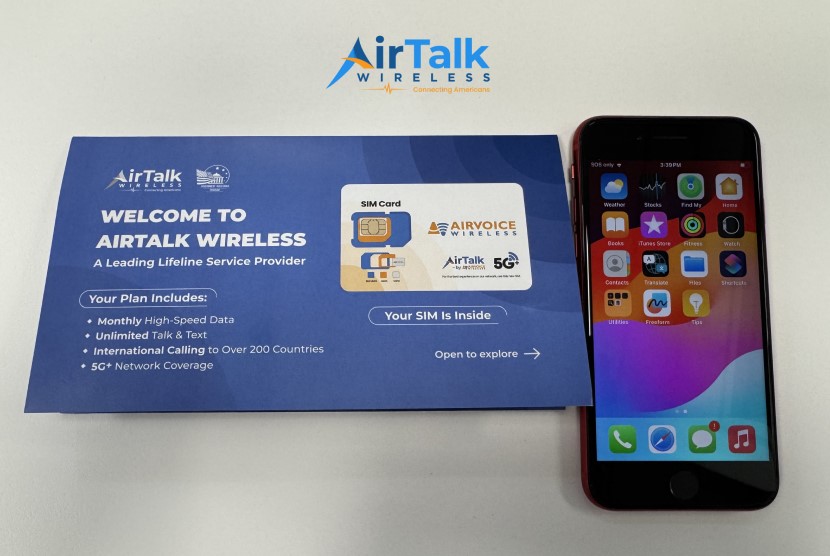
Cintex Wireless, an official ETC that has merged into AirTalk Wireless, combines the Lifeline discount with its own device promotions. The carrier offers eligible applicants a free 5G smartphone and $0 monthly service (unlimited talk, text, and a monthly data allowance).
It’s useful for calling your transportation broker or confirming ride details before your next appointment.
Note: Eligibility varies by state and program. Offers depend on availability and qualifications. AirTalk Wireless and Cintex Wireless operate under the federal Lifeline Program as an Eligible Telecommunications Carrier (ETC). Service is non-transferable and limited to one service per household.
>>> Read more: Free Transportation for Medicaid Patients: How to Get a Ride
9. Frequently Asked Questions
Q1. Will Medicare pay for medical transportation?
Original Medicare does not cover routine rides to doctor visits. However, many private Medicare Advantage (Part C) plans offer non-emergency transportation as an added benefit—check your specific plan to confirm.
Q2. How much is medical transport per hour without coverage?
Private-pay non-emergency transport commonly runs $50 to $100 or more per hour depending on the level of assistance and vehicle type required.
Q3. How can you apply for non-emergency medical transportation?
Contact your state Medicaid agency or its transportation broker directly, since NEMT is typically a covered benefit you schedule rather than a separate program you apply for.
Q4. What transportation options exist for seniors?
Beyond Medicaid NEMT, many local transit agencies offer ADA paratransit for riders unable to use standard buses, and some Area Agencies on Aging coordinate volunteer driver programs.
Conclusion
Medical transportation services near me depend on your specific situation, not one phone number that works for everyone.
Call your state’s Medicaid broker, or the transportation program that fits you, before your appointment date to confirm eligibility. That one call, made early, is what actually gets the ride booked in time.