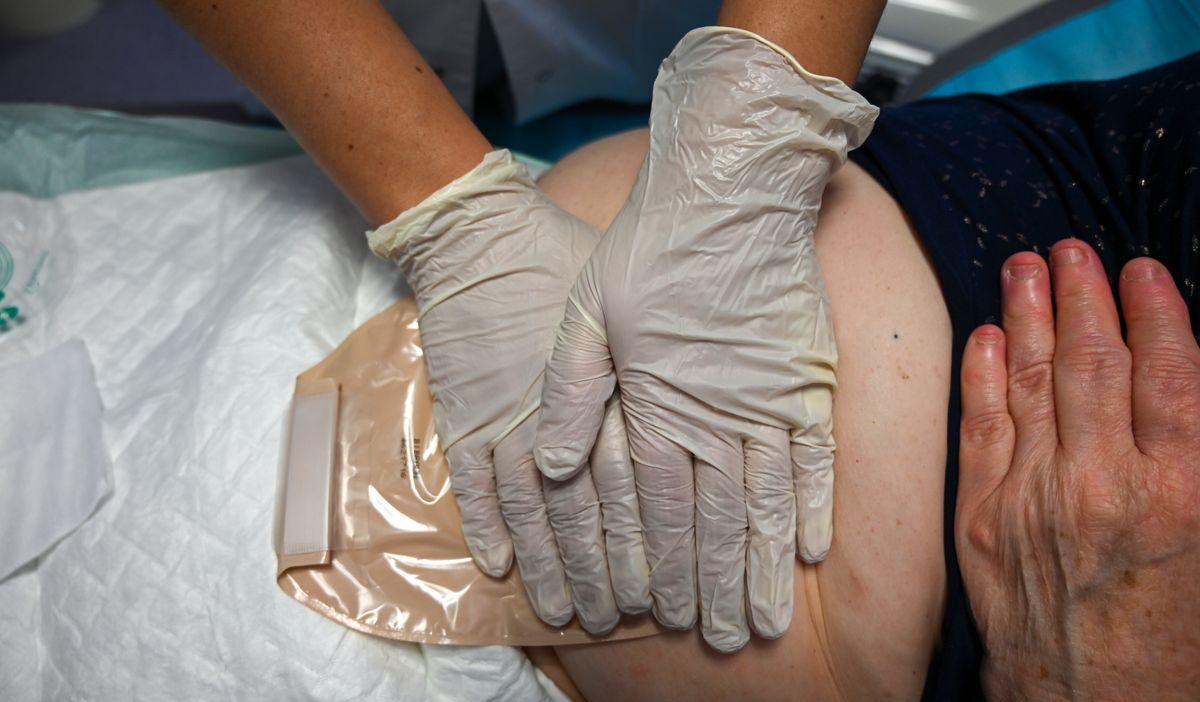
Does Medicaid cover tummy tuck surgery? In most cases, Medicaid does not pay for a tummy tuck performed only for cosmetic reasons.
Coverage may be considered when excess abdominal skin causes a documented medical or functional problem, but the procedure reviewed may be a panniculectomy rather than a traditional abdominoplasty.
This guide explains what can affect coverage, what to verify before surgery, and how to avoid assuming that one abdominal procedure is covered like another.
1. Does Medicaid Cover Tummy Tuck?
Medicaid generally does not cover a tummy tuck performed only to improve appearance. A traditional tummy tuck, or abdominoplasty, is usually considered cosmetic when its main purpose is to reshape or tighten the abdomen.
Coverage may be different when excess abdominal skin causes a documented medical or functional problem. In those cases, the procedure being considered may be a panniculectomy, which removes the hanging fold of excess skin and tissue, rather than a cosmetic tummy tuck.
Some state Medicaid programs can also consider abdominoplasty under specific medical-necessity rules, but the requirements vary. That is why the exact procedure name, diagnosis, billing code, and reason for surgery matter.
Before assuming Medicaid will or will not pay, ask the surgeon exactly which procedure will be submitted for authorization and which Medicaid policy applies.
2. What Would Make a Tummy Tuck Medically Necessary?
There is no single nationwide Medicaid rule that makes every tummy tuck medically necessary. In many cases, the coverage review focuses on whether excess abdominal tissue is causing a significant medical or functional problem and whether the requested procedure is the appropriate treatment.
Depending on the state or health plan, relevant factors may include:
- Recurring skin problems: Persistent rashes, infections, ulcers, or inflammation beneath the abdominal fold that continue despite appropriate treatment.
- Problems with movement or daily activities: Excess tissue may interfere with walking, hygiene, clothing, or other normal activities.
- Failure of conservative treatment: Some policies require documentation showing that treatments such as skin care or other nonsurgical measures did not adequately resolve the problem.
- Medical documentation: The plan may request clinical notes, photographs, treatment history, physical findings, and other evidence supporting the request.
These factors do not guarantee approval. Medicaid programs use their own criteria, and a medically necessary panniculectomy should not automatically be treated as the same procedure as a cosmetic abdominoplasty.
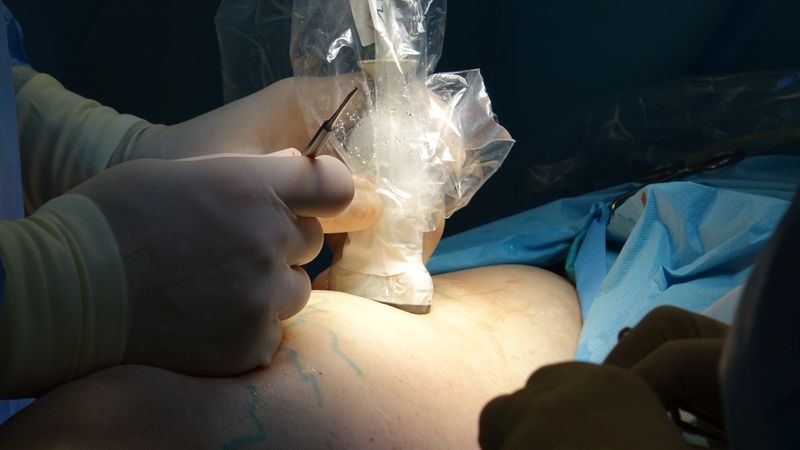
3. Does Medicaid Cover Tummy Tuck After C-Section?
Does Medicaid cover tummy tuck after C-section? Usually, having had a C-section by itself does not make a tummy tuck medically necessary. Loose skin, changes in abdominal shape, or a “C-section shelf” are generally cosmetic concerns unless there is a separate documented medical problem.
If you have persistent skin irritation, wound complications, a hernia, problems with movement, or other symptoms after pregnancy, your healthcare provider should first determine what is causing them and which treatment is medically appropriate.
A hernia repair or another covered abdominal procedure also does not automatically make a tummy tuck covered. Each procedure can have its own diagnosis, billing code, medical-necessity criteria, and authorization decision.
Ask the surgeon whether the proposed treatment is an abdominoplasty, panniculectomy, hernia repair, or another procedure before checking Medicaid coverage.
>>> Read More: Does Eyemart Express Take Medicaid? 3 Easy Steps to Verify Coverage
4. How Can You Check Coverage Before Abdominal Surgery?
Because Medicaid policies vary by state and plan, confirming coverage before scheduling abdominal surgery can help you understand authorization requirements and avoid unexpected costs.
If you are researching does Medicaid cover tummy tuck, use the exact procedure your surgeon recommends rather than relying only on the general term “tummy tuck.”
Before moving forward, work through these four coverage checks:
- Identify the exact procedure being requested: Ask your surgeon whether the proposed procedure is an abdominoplasty, panniculectomy, hernia repair, or another type of abdominal surgery. Request the procedure name and billing code, along with the diagnosis and medical reason being documented for the request.
- Check your state Medicaid or managed-care policy: Contact your state Medicaid agency or health plan to confirm whether the specific procedure is a covered benefit and which medical-necessity requirements apply. Avoid relying on criteria from another state or plan, as Medicaid coverage rules can differ.
- Confirm prior authorization and documentation: Find out whether prior authorization is required before surgery and what supporting evidence must be submitted. Depending on the applicable policy, the provider may need to provide clinical notes, treatment history, photographs, or other medical documentation.
- Separate covered surgery from cosmetic add-ons: Authorization for a medically necessary procedure does not necessarily extend to cosmetic services performed at the same time. Ask the provider to clearly separate covered and non-covered procedures and provide information about any potential out-of-pocket responsibility before treatment.
Completing these checks gives you a clearer picture of what Medicaid may consider for coverage and what expenses could remain your responsibility before you schedule the procedure.
5. How Much Does a Tummy Tuck Cost in 2026?
There is no single national price for a tummy tuck in 2026. Cost depends on the surgeon, procedure, location, facility, anesthesia, and other services included.
The American Society of Plastic Surgeons currently lists the latest reported average tummy tuck cost at $8,174. This figure does not include anesthesia, operating-room or facility charges, and other related expenses, so the final amount can be considerably higher.
Additional costs may include medical tests, prescriptions, post-surgery garments, and follow-up care.
If you are paying for surgery yourself, request an itemized written estimate. If Medicaid may cover a medically necessary abdominal procedure, ask the provider to separate that procedure from any cosmetic services that would remain your responsibility.
6. Beyond Surgical Coverage: Medicaid Can Be a Path to Other Assistance
Checking whether Medicaid covers a tummy tuck is one way to plan around costs. Another is a benefit many households overlook, and it takes only a few minutes to look into: Lifeline.
Lifeline is a federal program created to help lower-income households afford phone service or internet service, so staying connected doesn’t have to compete with rent, groceries, or medical bills. It works as a monthly credit on a qualifying bill, worth up to $9.25, or up to $34.25 for eligible households on Tribal lands.
There are two main ways to qualify. One is participating in an assistance program such as Medicaid, SNAP, SSI, or Section 8. The other is household income at or below 135% of the Federal Poverty Guidelines. Eligibility is verified, each household gets one benefit, and it cannot be transferred.
The credit reaches you through an Eligible Telecommunications Carrier (ETC), the company that enrolls you and provides the service. Cintex Wireless is an ETC with years of experience serving eligible households, and depending on availability, it also offers a free or discounted device.
The carrier is merging into AirTalk Wireless. For applicants, the merge is intended to create a more streamlined service experience while providing access to broader device choices, mobile features, and promotions where available.
Basic features you can get when applying:
- A free or discounted phone or tablet, depending on availability
- Monthly data bundled with talk and text
- International calling options
- No contracts, credit checks, or activation fees
IMPORTANT: The government does not subsidize devices. Lifeline programs cover basic service costs only. Free or discounted devices, upgrade plans, or top-ups are exclusive benefits provided by AirTalk Wireless and Cintex Wireless as part of the promotional offers. Terms and conditions apply. Limited-time promotion—offers vary by state, stock availability, and eligibility.
Conclusion
The answer to does Medicaid cover tummy tuck depends largely on whether the requested service is cosmetic or medically necessary and on the specific procedure submitted for review. A traditional cosmetic tummy tuck is generally not covered, while certain medically necessary abdominal procedures may be considered under state or plan-specific rules.
Confirm the exact procedure, coverage policy, prior authorization requirements, and expected costs with your provider and Medicaid plan before scheduling surgery.