If you are wondering does Medicaid cover Plan B, the answer involves more than whether the product is on the shelf. Your state’s requirements, the specific medication, and the pharmacy’s billing process can all affect what happens next.
This guide explains coverage, possible payment barriers, and practical next steps while keeping the medication’s time-sensitive instructions in view.
1. Does Medicaid Cover Plan B?
Yes, Medicaid may cover Plan B One-Step or generic levonorgestrel emergency contraception, depending on your state’s coverage and pharmacy billing rules.
Medicaid generally covers qualifying family planning services and supplies without cost sharing. However, this does not mean every over-the-counter purchase of branded Plan B will automatically be reimbursed.
Although Plan B is available without a prescription, Medicaid may require one for payment. Some states also cover certain OTC contraceptives without prescriptions under separate state-funded arrangements.
Before paying, ask a participating pharmacy which levonorgestrel 1.5 mg product your Medicaid coverage accepts and whether a prescription is needed.
2. How Can Medicaid Help Me Get Plan B at No Cost?
Can I get Plan B for free with Medicaid? Yes, potentially. If Plan B or a generic equivalent is covered as a qualifying family planning benefit, you generally should not have to pay a copay.
However, you may need a prescription or a specific pharmacy billing process to receive it at no cost.
Check the requirements with a participating pharmacy before purchasing the medication. If the pharmacy cannot process the claim, ask whether another covered product or billing method is available.
Check Whether Medicaid Requires a Prescription for Payment
You can purchase Plan B One-Step directly from a pharmacy without obtaining a prescription. Buying it without a prescription and getting Medicaid to pay are separate processes.
Medicaid payment may still require a prescription. Some states use standing orders or pharmacy protocols that help satisfy this requirement without a separate prescriber visit. Ask which process applies locally.
Ask the Pharmacy to Bill Your Exact Medicaid Plan
Present your current Medicaid and managed-care cards, if applicable. Ask whether the pharmacy participates in Medicaid and whether prescriptions are billed through your managed-care plan or a separate state pharmacy benefit.
Have the pharmacist confirm the covered product. If a covered family planning claim produces a copay, request a billing review before assuming the charge is correct.

3. What If the Pharmacy Cannot Fill Plan B Through Medicaid?
A rejected claim does not necessarily settle does Medicaid cover Plan B. Work through these checks promptly:
- Ask for the rejection reason. Request the specific message, such as missing prescription, incorrect insurance information, or product not covered.
- Ask about a covered generic. The plan may accept another manufacturer’s levonorgestrel 1.5 mg product.
- Check prescription and billing requirements. Ask whether a standing order, pharmacist-issued prescription, or corrected submission can resolve the problem.
- Contact the Medicaid pharmacy help desk. Use your card’s contact number to confirm the payer, covered product, and participating pharmacy.
- Contact a participating family planning clinic. Ask about timely access, Medicaid billing, and available emergency contraception.
Don’t delay emergency contraception while resolving a payment problem.
FDA recommends taking Plan B One-Step (levonorgestrel 1.5 mg) as soon as possible, ideally within 72 hours after unprotected sex or contraceptive failure.
If more than 72 hours have passed, contact a pharmacist or healthcare professional promptly. Other emergency contraception options, including prescription ulipristal acetate or a copper IUD, may be appropriate within five days.
CDC guidance notes that ulipristal acetate is more effective than levonorgestrel during days 3–5. Availability, suitability, and Medicaid coverage should be checked separately.
If insurance issues threaten timely access, ask about the fastest available option rather than waiting for a claim to be resolved.
>>> Read More: Does Medicaid Cover a Vasectomy? 5 Essential Facts to Know
4. Plan B, Abortion Pills, and Pregnancy Care: Different Coverage Questions
Searching does Medicaid cover Plan B may bring up information about abortion medication or maternity benefits. These concern different medications, services, and coverage rules.
Plan B Helps Prevent Pregnancy Rather Than Treat an Established Pregnancy
Plan B One-Step works before ovulation, generally by delaying or preventing the release of an egg. Plan B cannot end a pregnancy that has already begun; its purpose differs from that of abortion medication.
FDA states that Plan B will not work when someone is already pregnant. Its coverage should therefore be checked as emergency contraception rather than assumed to follow abortion coverage rules.
What Will Medicaid Pay for While Pregnant?
Medicaid generally covers prenatal visits, medically necessary pregnancy care, and delivery for eligible members.
Depending on the state and coverage category, benefits may include pregnancy-related testing, prescription medications, and postpartum services.
Full Medicaid and pregnancy-related Medicaid may provide different benefit packages. Limited family planning coverage should not be mistaken for comprehensive maternity insurance.
5. What Is Not Covered by Medicaid?
Medicaid coverage varies by state and benefit category. Services that are not medically necessary, products excluded from a covered benefit, and purchases that do not meet billing requirements may not be paid for.
For Plan B, common payment barriers include:
- A brand or product not covered under the applicable pharmacy rules
- A missing prescription when Medicaid requires one
- A pharmacy that cannot bill the relevant Medicaid benefit
- Enrollment in a limited-benefit program with different coverage rules
A rejected claim doesn’t necessarily mean emergency contraception is excluded. Ask the pharmacy for the reason and whether a covered alternative is available.
Because emergency contraception is time-sensitive, seek prompt assistance rather than waiting for a lengthy coverage review.
6. Your Medicaid Card May Also Help Lower Your Phone Bill
When you need answers on Plan B coverage, the last thing you want is a phone problem, so a dependable connection matters. If the monthly bill is a strain, phone assistance may be worth a look.
Lifeline is a federal program that helps eligible households afford phone service or internet service. It provides up to $9.25 per month toward qualifying internet or bundled service, with higher support on qualifying Tribal lands.
Eligibility generally comes down to household income at or below 135% of the Federal Poverty Guidelines, or participation in a qualifying program. Medicaid is one of those programs, along with SNAP and SSI, so if you already have it, that’s one less thing to figure out.
You’ll still need to note that the benefit is non-transferable and limited to one per household.
To use the benefit, you sign up with an Eligible Telecommunications Carrier (ETC), the type of provider that delivers Lifeline-supported service.
Cintex Wireless is one, and it is merging into AirTalk Wireless, which also participates as an ETC, with the goal of offering more device choices and an easier enrollment.
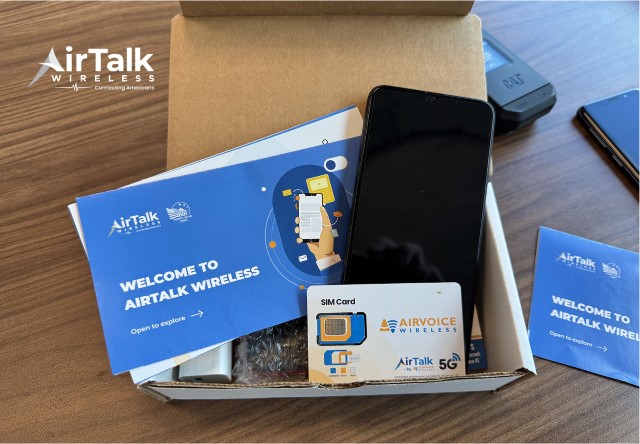
Depending on your location and current inventory, popular models you may find include:
Approval, service options, coverage, device availability, and prices vary by location and inventory. A particular phone is not guaranteed, and device charges may apply.
IMPORTANT: The government does not subsidize devices. Lifeline programs cover basic service costs only. Free or discounted devices, upgrade plans, or top-ups are exclusive benefits provided by AirTalk Wireless and Cintex Wireless as part of the promotional offers. Terms and conditions apply. Limited-time promotion—offers vary by state, stock availability, and eligibility.
7. FAQs
Do I need a prescription for Medicaid to cover Plan B?
Possibly. Plan B is sold without a prescription, but Medicaid reimbursement may require one. Some states have separate processes for covering certain OTC contraceptives without a prescription. Ask your pharmacy which rules apply.
Does Medicaid cover generic Plan B?
It may cover generic levonorgestrel 1.5 mg emergency contraception. Coverage depends on the state’s drug benefit and billing requirements. A generic product may be covered even when the branded version is not preferred.
Which Medicaid payment exclusions should I check?
Not necessarily. Medicaid generally requires purchases to follow its billing procedures, and reimbursement for an already-paid retail purchase isn’t guaranteed. Contact your Medicaid plan or pharmacy to ask whether any correction or reimbursement process is available.
Which pregnancy services may Medicaid cover?
It can. Other options include prescription ulipristal acetate and a copper IUD used for emergency contraception. Coverage and access requirements differ by method and state. Contact a healthcare professional promptly if you’re approaching the five-day window.
Conclusion
The answer to does Medicaid cover Plan B depends on the covered product and your state’s pharmacy payment process. A rejected claim may be fixable through a covered generic, prescription, or corrected billing.
Ask the pharmacist for the precise reason and contact your Medicaid pharmacy benefit administrator when needed. Because levonorgestrel is time-sensitive, seek prompt professional guidance if payment problems delay access.