
A new job offers insurance, but you still have Medicaid. Should you use both cards, and could a medical bill remain?
If you’re asking can you have Medicaid and private insurance, separate eligibility from claim payment. Dual coverage is possible, but each program’s rules still apply. Here’s how to coordinate them.
1. Can You Have Medicaid And Private Insurance?
Yes. Medicaid beneficiaries can also have employer-sponsored coverage, a spouse’s or parent’s plan, or individual insurance. Marketplace coverage can overlap too, although subsidy rules require special attention.
You must remain Medicaid-eligible. Receiving private insurance and earning more income are separate events: the insurance itself does not automatically end Medicaid, but a related pay increase could affect eligibility. Report required changes and let the agency determine your status.
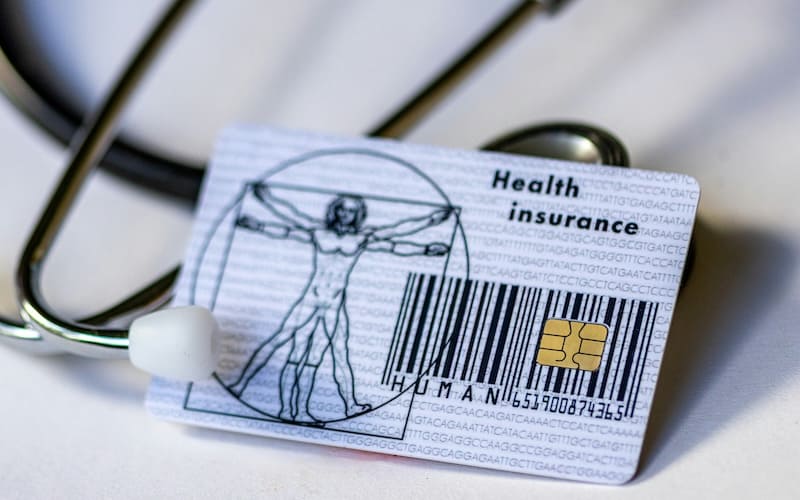
2. Which Insurance Pays First?
When you have Medicaid and private health insurance, your private insurance generally pays first. Medicaid then reviews any remaining eligible expenses.
This arrangement is known as coordination of benefits.
Private insurance as the primary payer
Your private insurer is usually responsible for processing the claim first, according to its coverage rules.
For example, if you receive treatment covered by your employer’s health plan, the provider generally submits the claim to that insurer before billing Medicaid.
Medicaid as the payer of last resort
After private insurance processes the claim, Medicaid may consider additional payment for services covered under its own rules.
However, Medicaid doesn’t automatically pay every remaining charge. Its payment depends on the covered service, applicable reimbursement limits, and billing requirements.
There are limited exceptions to the usual billing order, but these generally don’t change what you should do as a patient.
Before receiving care, give your provider both insurance cards and ask the billing office to coordinate the claims.
>>> Read more: Can I Have Medicaid and Private Insurance? How Both Plans Work Together
3. Will Medicaid Pay What Private Insurance Leaves Behind?
Sometimes. Medicaid may help with eligible expenses remaining after private insurance pays, but it doesn’t necessarily cover the entire deductible, copayment, or coinsurance.
The amount depends on Medicaid’s payment rules and whether the service qualifies for coverage.
For example, imagine Medicaid allows $200 for a particular service, but your private insurance has already paid the provider $250.
In this situation, Medicaid may make no additional payment because the private insurer’s payment exceeds Medicaid’s allowed amount.
However, that doesn’t automatically mean you owe the remaining balance shown on your private insurance statement.
For covered services, participating Medicaid providers generally must accept Medicaid payment and any legally permitted patient cost sharing as payment in full.
Before agreeing to pay an unexpected bill, confirm:
- Service coverage: Whether Medicaid covers the treatment.
- Provider participation: Whether the provider can bill your Medicaid coverage.
- Authorization: Whether applicable approval requirements were met.
- Claim processing: Whether both insurers received and processed the necessary information.
If a provider requests payment, contact Medicaid or your managed care plan to verify whether the charge is permitted.
A private insurer’s Explanation of Benefits (EOB) is not necessarily a final bill.

4. What If Your Private Insurance Is A Marketplace Plan?
You can generally keep a Marketplace health insurance plan while receiving Medicaid. However, having both can affect your eligibility for Marketplace financial assistance.
If you qualify for Medicaid that meets federal qualifying-health-coverage requirements, you generally cannot continue receiving premium tax credits or other Marketplace savings.
You may still keep the Marketplace plan, but you would usually need to pay the full premium yourself. Continuing to use premium tax credits after qualifying Medicaid coverage begins could require repayment when you file your federal taxes.
What Should You Do After Medicaid Approval?
Wait until your state issues a final Medicaid eligibility decision before canceling Marketplace coverage.
Once approved, confirm your Medicaid coverage start date and update your information through HealthCare.gov or your state’s Marketplace.
Then, review whether to end your Marketplace plan or keep it without financial assistance.
One exception matters: Some limited-benefit Medicaid programs don’t count as qualifying health coverage. Members of these programs may remain eligible for Marketplace savings if they meet the other requirements.
>>> Read more: Does Insurance Cover Life Alert? Helpful Coverage Guide
5. How To Use Medicaid And Private Insurance Together
If you’re asking can you have Medicaid and private insurance, these checks can help coordinate coverage:
Step 1. Confirm Both Policies Are Active
Check your Medicaid eligibility and private insurance effective dates before receiving care.
Step 2. Report Your Other Insurance
Tell your state Medicaid agency or Medicaid plan about your private coverage. Update that information whenever your insurance changes.
Step 3. Find a Provider That Can Coordinate Both Plans
When possible, choose a provider that accepts your private insurance and participates in Medicaid. Confirm any referral or authorization requirements.
Step 4. Show Both Insurance Cards
Give the provider’s billing office your current insurance information so claims can be processed in the correct order.
Step 5. Review Any Remaining Charges
Compare your private insurance EOB, Medicaid claim determination, and provider bill. If something looks incorrect, request clarification before paying a disputed balance.
These steps can help prevent claim errors and make it easier to identify charges you may not actually owe.
6. Can Medicaid Help Pay For Private Health Insurance?
Yes, in some states. Medicaid may help eligible members pay private health insurance premiums through a Health Insurance Premium Payment (HIPP) program.
These programs commonly support qualifying employer-sponsored coverage when the state determines that paying the premium is cost-effective.
For example, Medicaid may help pay the employee’s share of an approved workplace health insurance premium while continuing to provide eligible Medicaid benefits.
However, HIPP is not available for every insurance policy or Medicaid member. Each state establishes its own eligibility requirements and approved coverage arrangements.
To check your options, contact your state Medicaid agency and ask whether it offers HIPP assistance for your private insurance plan.
7. Having Two Health Plans May Not Be The Only Benefit Worth Checking
Carrying both Medicaid and private insurance usually means two sets of rules, and the calls between them tend to overlap. A phone connection that fits your budget makes it easier to stay reachable while you coordinate the two.
Lifeline pays no attention to how many health plans you hold. This federal assistance program lowers the cost of qualifying phone service or internet service.
And what matters is your household’s income and participation in qualifying programs, with Medicaid being one of them. Your eligibility is verified separately, and each household receives one benefit.
After approval comes the practical part: choosing a participating Eligible Telecommunications Carrier (ETC) to deliver the service. Cintex Wireless is an ETC whose offers include free or discounted phones, which lets you pick up a device along with your plan. Its merger with AirTalk Wireless broadens that selection.
Depending on your ZIP code and current inventory, phone options to explore include:
Check which models are available near you, whether they are free or discounted, and how device costs, coverage, and monthly allowances compare before you apply. Phone promotions come from the carrier and are not funded by the Lifeline benefit.
IMPORTANT: The government does not subsidize devices. Lifeline programs cover basic service costs only. Free or discounted devices, upgrade plans, or top-ups are exclusive benefits provided by AirTalk Wireless and Cintex Wireless as part of the promotional offers. Terms and conditions apply. Limited-time promotion—offers vary by state, stock availability, and eligibility.
8. FAQs
Will employer insurance automatically end my Medicaid?
No. Employer coverage alone does not end Medicaid. Any accompanying change in income could influence your eligibility and must be reported when required.
Can Medicaid pay my private insurance deductible?
Possibly. Medicaid may help with eligible costs remaining after private insurance pays, but it doesn’t automatically cover the full deductible. Payment depends on Medicaid’s coverage and reimbursement rules. Check with your plan before paying an unexpected balance.
Can I keep a Marketplace plan after Medicaid approval?
Generally, yes. However, qualifying for comprehensive Medicaid usually ends eligibility for Marketplace premium tax credits and other savings. You may need to pay the full Marketplace premium yourself. Limited-benefit Medicaid programs can follow different rules.
Do I need a provider who accepts both policies?
Ideally. Confirm the provider’s private-plan network status and Medicaid participation. Ask whether the office can bill both policies correctly before scheduling care.
Conclusion
Understanding can you have Medicaid and private insurance requires checking eligibility, payment order, and service rules. Report both policies, verify providers and approvals, and resolve claim errors before assuming a remaining balance is yours.