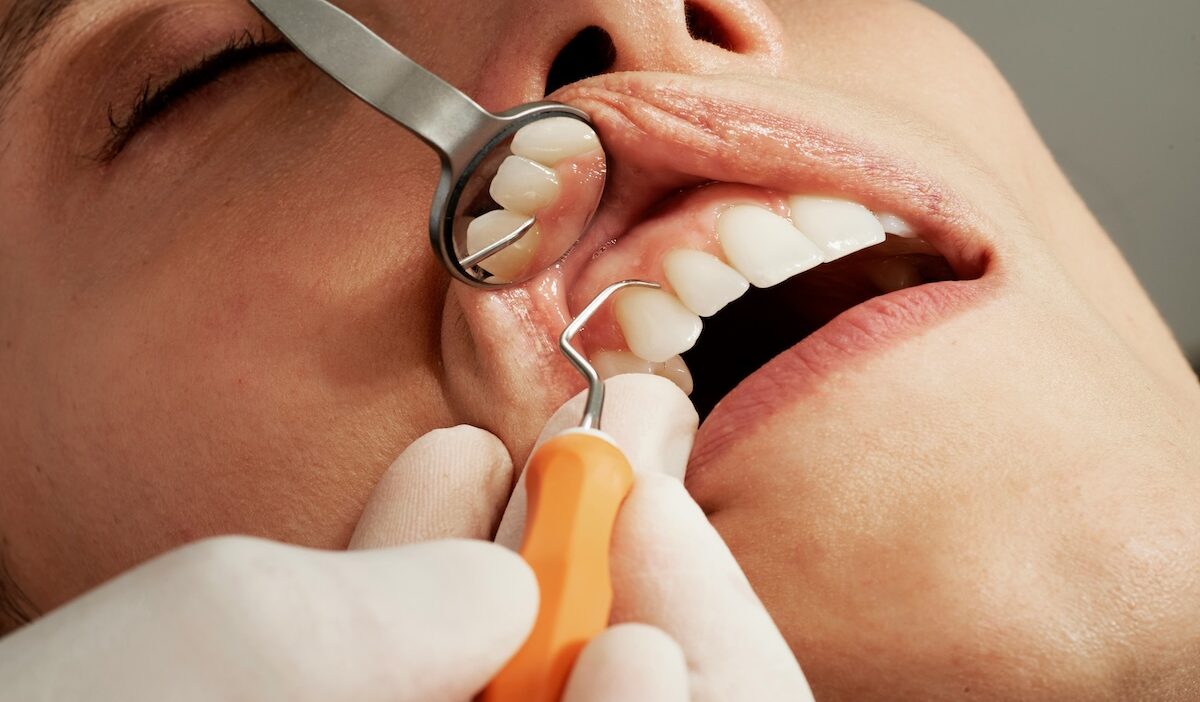
A dentist recommends a crown, and suddenly the monthly premium is only one part of your insurance decision. Will the procedure qualify, does a waiting period apply, and is your dentist in-network?
Comparing Kansas dental insurance means connecting coverage details with the care you expect to need. Start with the available options, then check their practical limits before enrolling.
1. What Kansas Dental Insurance Options Are Available?
Kansas residents can get dental coverage through several routes. The right option depends on eligibility, how you obtain health coverage, and the type of dental care you expect to need.
| Coverage route | What to check |
| Employer-sponsored coverage | Employer contributions, enrollment periods, dependent coverage, and network |
| Individual/family insurance | Premiums, waiting periods, annual maximums, exclusions, and participating dentists |
| Marketplace dental plans | Whether dental is built into the health plan or offered as a separate dental policy |
| KanCare | Medicaid eligibility plus the dental benefits and provider network available through your KanCare coverage |
| Medicare Advantage | Whether the specific plan offers dental benefits and which dentists participate |
Through HealthCare.gov, dental coverage may be included with a Marketplace health plan or offered as a separate dental plan. However, you cannot purchase a Marketplace stand-alone dental plan unless you are also buying a Marketplace health plan at that time.
For children age 18 and younger, dental coverage must be available through the Marketplace, although families are not required to purchase it. Adult dental coverage is not an essential health benefit.
KanCare is Kansas Medicaid, not ordinary private dental insurance. Eligible adults can receive state-covered dental benefits, including preventive care and selected restorative treatment.
Medicare Advantage plans may also offer dental benefits that Original Medicare generally does not provide. Coverage limits and networks vary by plan, so review the specific policy rather than assuming every Medicare Advantage plan includes the same dental benefit.
2. What Services Might A Dental Plan Cover?
Benefits under Kansas dental insurance depend on the policy’s treatment definitions.
Preventive and diagnostic care
Exams, cleanings, and X-rays are commonly included. Frequency limits still matter: check whether allowances follow calendar years or intervals between services.
Basic and major dental treatment
Dental plans may cover fillings, root canals, periodontal treatment, crowns, or dentures, but each insurer decides how those procedures are classified.
For example, current Delta Dental of Kansas individual plans generally treat fillings and nonsurgical extractions as basic services, while root canals, crowns, dentures, and gum-disease treatment fall under major services on plans that cover them.
That distinction matters because major services may have different coinsurance and longer waiting periods.
Orthodontics and common exclusions
Do not assume that every dental plan covers braces or implants. Current Delta Dental of Kansas individual policies exclude orthodontics, while implant coverage is available only on certain plans.
Cosmetic procedures are also commonly excluded.
Review the exact policy before enrolling, especially if you already know you need expensive treatment.
>>> Read more: Medicaid Dental Michigan: Essential Steps For A Healthy Smile
3. How To Compare Costs Beyond The Monthly Premium
These factors help you estimate the overall cost of Kansas dental insurance.
| Cost or rule | Question to ask |
| Premium | What will twelve months cost? |
| Deductible | What must I pay before benefits begin? |
| Copay/coinsurance | What fixed amount or percentage remains mine? |
| Annual maximum | How much will the insurer pay annually? |
| Waiting period | When does each treatment category become eligible? |
| Network | Which dentists offer contracted rates? |
| Frequency limitations | How often is each service covered? |
| Orthodontic maximum | Is there a separate lifetime payment cap? |
| Exclusions | Which treatments or materials receive no payment? |
A dental annual maximum usually caps the insurer’s payments, not your spending. After benefits are exhausted, additional treatment can leave substantial costs.
4. How To Find A Dentist And Confirm Your Coverage
Before using Kansas dental insurance, follow these checks to clarify access and expected costs.
Step 1. Identify the plan: Record its exact name, network, member number, and coverage effective date.
Step 2. Search the directory: Use the insurer’s current provider search to find nearby participating dentists.
Step 3. Call the office: Confirm network participation at that specific location and availability for new patients.
Step 4. Review treatment: Request procedure codes, proposed materials, and alternatives that could affect coverage or costs.
Step 5. Check restrictions: Verify authorization requirements, waiting periods, frequency limits, and remaining annual benefits.
Step 6. Request an estimate: Obtain expected insurer payments and your charges in writing before treatment. An estimate does not guarantee final payment.
5. Is Dental Insurance Worth It In Kansas?
Yes, potentially. Kansas dental insurance may be worthwhile when its benefits and network savings outweigh premiums and your share of treatment costs. Consider these factors before choosing:
- Expected dental needs: Review routine care, existing problems, and your dentist’s recommendations.
- Annual premiums: Calculate the full year’s premiums, including months when you receive no treatment.
- Network availability: Confirm that convenient participating dentists provide the care you need.
- Deductible: Check how much you must pay before benefits begin and which services bypass it.
- Annual maximum: Check your Kansas dental insurance plan’s yearly payment limit and any costs you may face after reaching it.
- Waiting periods: Make sure planned procedures become eligible when you need them.
- Anticipated procedures: Compare coverage and patient costs for specific treatments, rather than relying on broad benefit descriptions.
For example, a policy might help with regular checkups but contribute nothing toward an immediate crown during its waiting period. Add the policy premiums to your expected out-of-pocket treatment costs, then compare that total with what you would pay for identical services without coverage.
>>> Read more: Does Medicaid Cover Dental Implants? Know Your Benefits
6. KanCare May Help With More Than Dental Care
Finding the right Kansas dental insurance is one step; staying reachable for appointments is another. If you receive KanCare, your Medicaid participation may also help you qualify for Lifeline.
Lifeline is a federal assistance program that reduces qualifying monthly phone service or internet service costs.
Besides Medicaid, eligibility routes include SNAP, SSI, Federal Public Housing Assistance, or household income at or below 135% of federal poverty guidelines.
You should complete eligibility verification first, then apply to an Eligible Telecommunications Carrier to receive the service.
An ETC provides the connection and applies the Lifeline discount. This is why choosing a carrier matters: Lifeline funds the assistance, while the carrier supplies your plan and any promotional device.
Cintex Wireless is an ETC that offers Lifeline wireless service alongside free or discounted device promotions. The carrier also announced its recent merger into AirTalk Wireless, allowing participants to access wider device choices. Applications may direct you to AirTalk during the transition.
Getting started generally involves:
- Enter your ZIP code on the carrier’s official website to view local service options.
- Review available phones, monthly talk, text, and data allowances, plus any device options
- Provide the required personal details and eligibility documents if requested.
- Submit and wait for the result. Follow the instructions for your selected phone or SIM card once approved.
Device offers vary by eligibility, location, inventory, and promotional terms. An affordable phone plan can help you manage Kansas dental insurance appointments, return calls, and receive treatment updates.
IMPORTANT: The government does not subsidize devices. Lifeline programs cover basic service costs only. Free or discounted devices, upgrade plans, or top-ups are exclusive benefits provided by AirTalk Wireless and Cintex Wireless as part of the promotional offers. Terms and conditions apply. Limited-time promotion—offers vary by state, stock availability, and eligibility.
7. FAQs
Can I buy dental insurance without an employer?
Yes. Individual and family Kansas dental insurance policies are available directly from insurers. Compare benefits, premiums, and participating dentists before enrolling.
Does KanCare cover dental care for adults?
Yes. KanCare currently provides adult dental benefits that include preventive care, periodontal treatment, selected fillings and crowns, silver diamine fluoride treatment, dentures, and partial dentures. Specific covered codes and approval requirements still apply. Additional dental benefits may vary by KanCare MCO.
Can I keep my current dentist when I change plans?
Possibly. Verify that your dentist participates in the new policy’s exact network at your preferred location before switching.
Will a new policy cover treatment immediately?
Not always. For example, current Delta Dental of Kansas individual plans have no waiting period for preventive services, while basic treatment generally has a six-month waiting period and many major services have a 12-month waiting period. Plan rules vary.
Conclusion
The right Kansas dental insurance plan should match the care you expect to use, not simply have the lowest monthly premium.
Compare the dentist network and waiting periods before enrolling, then look at the annual maximum and your share of larger treatments. If you already need dental work, ask for the procedure codes so you can compare what each plan may actually pay.