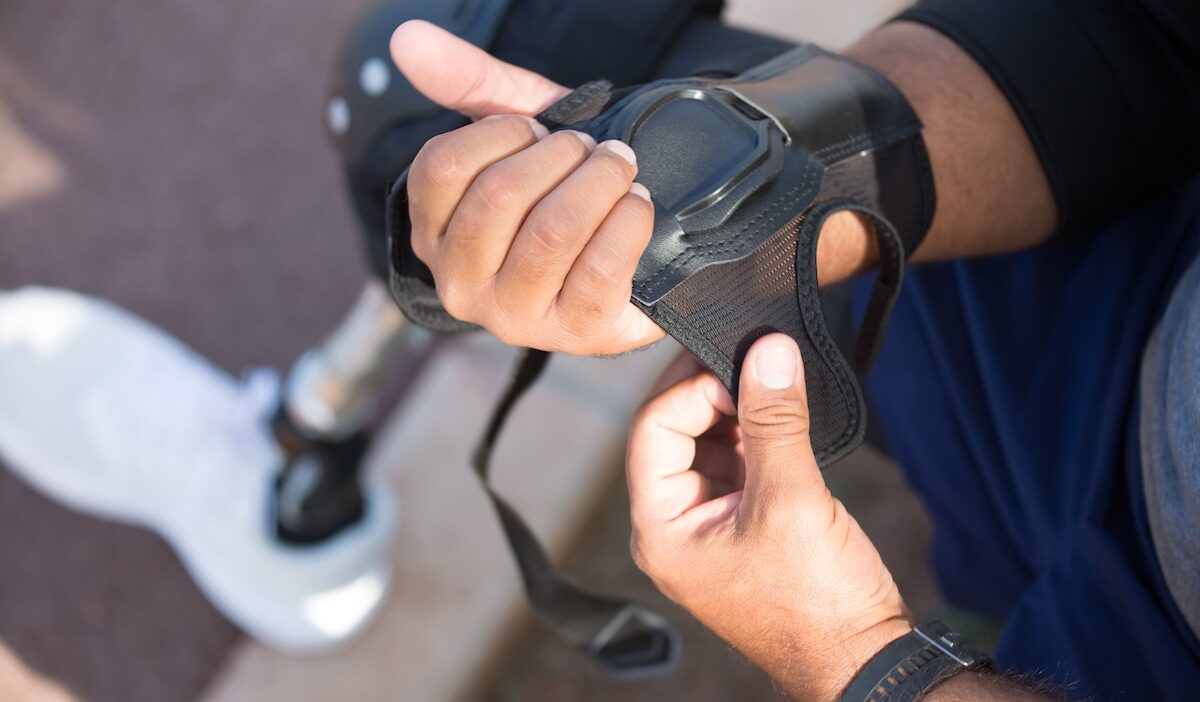
A clinician recommends a wrist brace, and you find several versions online. Buying one seems straightforward, until you wonder whether Medicaid will pay or require a particular supplier.
Does Medicaid cover wrist braces? It can, but the device, medical documentation, and purchasing process matter. Check these requirements before paying for a brace yourself.
1. Does Medicaid Cover Wrist Braces?
Yes, Medicaid may cover medically necessary wrist braces, but coverage varies by state, age, and the type of device prescribed.
Some states cover qualifying wrist braces through orthotic benefits. Others restrict coverage for adults or allow certain braces only when provided as part of approved treatment or rehabilitation services.
For example, North Carolina Medicaid covers eligible orthotic devices when medical necessity is documented, while Virginia has more restrictive rules for adult orthotics.
Even when wrist braces are covered, a prescription alone doesn’t guarantee payment. Your Medicaid plan may require an approved supplier or additional documentation before the brace can be provided.
The answer to does Medicaid cover wrist braces therefore requires checking your specific benefit before purchasing a brace, especially if you plan to order one online.

2. What Determines Whether Your Brace Is Covered?
When reviewing does Medicaid cover wrist braces, confirm these details:
- Medical necessity: The brace addresses a documented condition or functional need.
- Practitioner order: An eligible clinician supplies the required order and supporting records.
- Device classification: The exact brace matches an appropriate HCPCS billing category.
- Supplier participation: The dispensing provider meets Medicaid enrollment and network requirements.
- Prior authorization: Secure any necessary approval before the item is provided.
- Quantity and replacement: Limits may apply to additional braces, repairs, or replacement.
- Member age: Pediatric rules may provide broader protection.
Children and young adults under 21 have additional protections through Medicaid’s Early and Periodic Screening, Diagnostic, and Treatment (EPSDT) benefit. A medically necessary wrist brace may qualify even when comparable adult coverage is restricted.
However, EPSDT doesn’t eliminate medical documentation or prior authorization requirements. Ask your child’s Medicaid plan how to request an individualized review.
These interacting requirements explain why does Medicaid cover wrist braces cannot be answered from the diagnosis alone.
>>> Read more: Does Medicaid Cover ABA? 5 Rules for Children & Adults
3. Are Store-Bought And Custom Wrist Braces Treated Differently?
Yes. Medicaid may apply different coding, fitting, and documentation requirements depending on how the brace is supplied.
Off-the-shelf braces: These are ready-made wrist supports that generally require only minor adjustments. Medicaid may cover certain prefabricated braces when they meet the program’s medical and billing requirements.
However, purchasing one from a pharmacy or online retailer doesn’t automatically qualify you for reimbursement. Confirm that the supplier can bill your Medicaid plan before buying.
Custom-fitted braces: These are prefabricated braces modified for an individual fit. Coverage may require documentation of medical necessity, the adjustments performed, and any required prior authorization.
Custom fitting involves adjustments requiring specialized expertise, rather than simply tightening straps or choosing a standard size.
Custom-fabricated braces: These are individually made for the patient. Records may need to explain why a prefabricated option cannot meet the clinical need, alongside fitting and approval requirements.
When checking does Medicaid cover wrist braces, remember: store-bought does not automatically mean excluded, and custom does not automatically mean covered. Confirm the ordered device and supplier requirements before purchasing.

4. How To Obtain A Covered Wrist Brace
Use these steps to answer does Medicaid cover wrist braces for your circumstances before ordering or paying for a device.
Step 1. Confirm the benefit: Ask your Medicaid administrator who manages orthotic or equipment coverage and which supplier requirements apply.
Step 2. Get evaluated: Have an eligible clinician assess your condition, document medical necessity, and explain the brace’s intended treatment purpose.
Step 3. Identify the device: Request the exact brace type, relevant HCPCS billing code, and whether it requires specialized fitting or fabrication.
Step 4. Choose a participating supplier: When checking “does Medicaid cover wrist braces,” confirm the supplier accepts your Medicaid plan, meets network requirements, and has the prescribed brace available.
Step 5. Complete authorization: Establish who submits the order and clinical records. Obtain approval before delivery when prior authorization is required.
Step 6. Clarify your cost: Ask about permitted copays, exemptions, and noncovered options. Request an explanation before accepting personal charges.
Step 7. Arrange fitting: Obtain instructions for wearing, adjusting, and caring for the brace, plus follow-up arrangements if the fit is unsuitable.
Keep copies of the order, approval, and delivery records. If does Medicaid cover wrist braces remains unresolved, request the applicable coverage policy or a written determination before assuming reimbursement.
What If Medicaid Denies Your Wrist Brace?
If Medicaid denies your request, start by reviewing the reason. The problem may involve missing medical records or a device that doesn’t meet your plan’s coverage requirements.
Ask your prescribing clinician or orthotic supplier whether additional information could support another review.
If you disagree with the decision, check your denial notice for appeal instructions and deadlines. A formal appeal may be available, depending on your coverage arrangement.
Before buying the brace yourself, confirm whether your Medicaid plan allows reimbursement for purchases made outside its approved supplier process.
>>> Read more: Does Medicaid Cover Incontinence Supplies? 5 Steps Toward Affordable Care
5. Managing Treatment Costs? Another Monthly Expense May Be Worth Checking
Getting a wrist brace covered by Medicaid depends on the clinician, the supplier, and your health plan all agreeing, and each of them reaches you by phone.
If a tight phone bill means missed callbacks, a fitting appointment can slip. Lifeline is a federal assistance program that lowers the monthly cost of qualifying phone or internet service.
Medicaid is one of the programs that can qualify you. Household income at or below 135% of the Federal Poverty Guidelines also works, as does participation in SNAP, SSI, or Federal Public Housing Assistance.
Eligibility only becomes service through an Eligible Telecommunications Carrier (ETC), which applies the discount to your plan.
Cintex Wireless is an ETC that pairs Lifeline-supported plans with free or discounted phones, so the support comes with a device to use it on.
Its merger into AirTalk Wireless widens the phone selection, and some applications may redirect to AirTalk’s website during the transition.
Getting started generally involves:
- Look up coverage: Go to the AirTalk Wireless website and type in your ZIP code to confirm service reaches your area.
- Pick what suits you: The plans and phones shown depend on where you live and what is in stock, so select the combination that matches how you use your phone.
- Submit your details: Fill out the online form with your personal and contact information, and attach any documents requested to confirm who you are and that your household qualifies for Lifeline.
- Wait for approval: Your application goes through Lifeline verification. After approval, your SIM or device is sent to you, and the activation instructions get your service running.
If you’re wondering “does Medicaid cover wrist braces,” reliable phone service can help you check coverage and coordinate care. Offers vary by eligibility, location, inventory, and promotional terms, so choose an affordable plan that helps you return supplier calls, confirm appointments, and follow up on treatment.
IMPORTANT: The government does not subsidize devices. Lifeline programs cover basic service costs only. Free or discounted devices, upgrade plans, or top-ups are exclusive benefits provided by AirTalk Wireless and Cintex Wireless as part of the promotional offers. Terms and conditions apply. Limited-time promotion—offers vary by state, stock availability, and eligibility.
6. FAQs
Do I need a prescription for Medicaid to cover a wrist brace?
Usually, a prescription or written order from an eligible healthcare provider is required. However, documentation rules vary by state and device. Contact your Medicaid plan or participating supplier to confirm what’s needed before purchasing.
Can Medicaid reimburse a brace I already bought?
Not necessarily. Medicaid may deny reimbursement if the brace was purchased from an unapproved retailer or required authorization was not obtained. Check your plan’s reimbursement rules before paying out of pocket.
Are wrist braces for carpal tunnel syndrome covered?
Potentially. Coverage depends on documented medical necessity, the prescribed brace, and program requirements. A carpal tunnel diagnosis alone does not guarantee payment.
Does Medicaid cover custom-made wrist braces?
Sometimes. The device must meet clinical, documentation, and approval requirements. Records may need to explain why a prefabricated brace would not meet your needs.
Conclusion
Does Medicaid cover wrist braces? Potentially, qualifying braces may be covered when they are medically necessary, but state rules and supplier requirements can affect approval.
Before purchasing, confirm the type of brace your clinician recommends and whether your Medicaid plan requires an approved supplier or prior authorization.
If coverage is denied, ask about the reason and available review options before assuming you’ll need to pay for the brace yourself.