
Having Medicaid doesn’t automatically mean every doctor, hospital, or prescription will be covered the way you expect. The plan you choose can shape where you receive care and which services are accessible to you.
Before enrolling, it pays to look beyond the word “Medicaid” and examine what different Medicaid plans actually offer.
1. What Are Medicaid Plans and How Do They Work?
Medicaid plans are health coverage options available through state Medicaid programs.
Many states contract with private insurance companies or other health plan organizations to manage care for eligible members. These organizations coordinate covered care and maintain provider networks under state Medicaid rules.
According to KFF, 78% of Medicaid beneficiaries were enrolled in comprehensive managed care organizations (MCOs) in 2024. Managed care is therefore the most common Medicaid delivery system, although some members receive benefits through fee-for-service arrangements instead.

Here is how the system generally works:
- The state sets the rules: State Medicaid agencies determine eligibility, establish program requirements, and oversee participating health plans within federal guidelines.
- Members receive care through their coverage arrangement: Depending on the plan, you may need to use in-network doctors, hospitals, and pharmacies. Referrals or prior authorization may also apply.
Your options depend on your state and eligibility category. Some beneficiaries must enroll in a managed care plan, while others receive Medicaid through fee-for-service, where providers are paid for each covered service.
2. What Does a Medicaid Plan Cover?
Medicaid covers everything from hospital care to preventive services, but not every benefit is available to every enrollee. Let’s look at what a Medicaid plan can cover.
Mandatory Medicaid Benefits
Federal law requires states to cover certain services for eligible Medicaid beneficiaries. These include:
- Inpatient and outpatient hospital services
- Physician services
- Laboratory and X-ray services
- Home health services
- Rural health clinic services
- Family planning services
- Certain nursing facility services
- Transportation necessary to access medical care, subject to applicable requirements
Children and adolescents under age 21 who qualify for Medicaid also receive Early and Periodic Screening, Diagnostic, and Treatment (EPSDT) services. This benefit includes regular health screenings and medically necessary services to address conditions identified through screening, within federal guidelines.
>>> Also read: Free Transportation for Medical Appointments: 5 Places to Ask
Optional Benefits That Vary by State
States can choose to cover additional services, including adult dental care, vision services, physical therapy, occupational therapy, and personal care.
Adult dental benefits can differ significantly across states. Some states cover a broad range of adult dental services, while others limit coverage to emergency treatment.
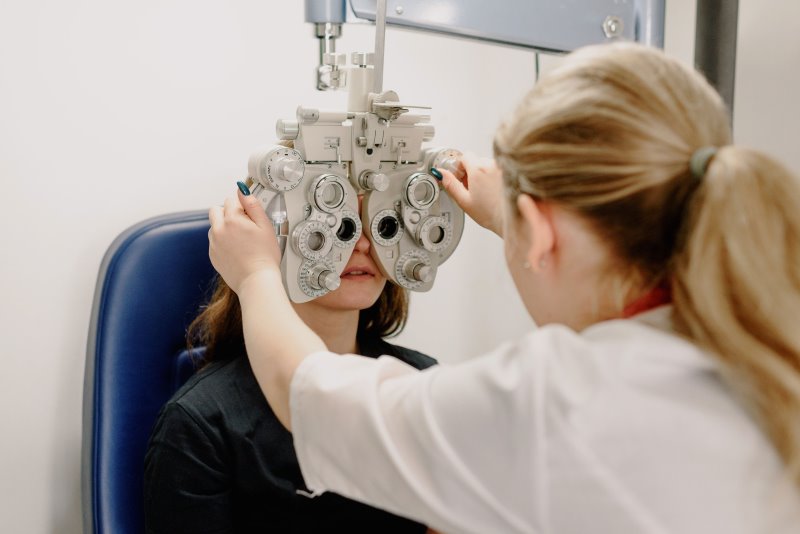
Vision benefits also vary. A 2024 NIH report, based on 2022-2023 coverage policies, found that 12% of Medicaid enrollees lived in states without routine adult eye-exam coverage, while 27% lacked eyeglass coverage.
Prescription drugs follow a different rule. Although outpatient prescription drugs are technically an optional benefit under federal law, all states currently cover them for categorically eligible individuals and most other Medicaid enrollees. However, covered medications and prior authorization requirements may still vary by state and plan.
Some Medicaid benefits may also be administered separately from your managed care plan. Before assuming a service isn’t covered, check with your plan or state Medicaid agency to find out how to access it.
3. How to Compare Medicaid Plans in Your State
When comparing Medicaid plans in your state, consider these key factors to find one that best fits your health care needs:
- Service area: Confirm which plans serve your county or enrollment region. A plan available elsewhere in your state may not be an option where you live.
- Provider network: Check whether your current primary care doctor, specialists, preferred hospitals, and clinics accept the specific plan. Verify directly with the provider when possible, since network information can change.
- Prescription coverage: Review the plan’s drug list and participating pharmacies. If you take regular medication, check whether it requires prior authorization, step therapy, or other approval.
- Care requirements: Compare referral rules, specialist access, and authorization requirements for ongoing treatment. These details can affect how easily you receive care.
- Extra benefits and support: Some plans offer additional services or member resources beyond their standard covered benefits. Compare these carefully, but do not let a small perk outweigh access to essential medical care.

A practical approach is to list your current doctors, medications, and expected health care needs before reviewing available Medicaid plans. You can then compare each option against the same priorities instead of making a decision based on advertising alone.
>>> Read more: Which Medicaid Plan Is Best? How to Compare Your Options
4. How to Find and Enroll in Medicaid Plans in Your State
The enrollment process varies by state, but these steps can help you get started:
Step 1: Find your state Medicaid agency
Visit Medicaid.gov to find your state’s contact information. You can also search for your state’s official Medicaid website or start at its government website.
Step 2: Apply for Medicaid or check your enrollment status
If you don’t have Medicaid yet, apply through your state agency and provide the requested information about your household, income, and eligibility. For those already enrolled, check your current plan and whether you can choose or switch plans under your state’s enrollment rules.
Step 3: Compare available plans
Once eligible, review the plans offered in your area.
Compare the available plans using the factors above, paying particular attention to your current doctors and regular prescriptions.
Step 4: Enroll or confirm your plan
Follow your state’s instructions to select a plan or check your assigned plan. After enrollment, confirm your coverage’s effective date, primary care provider, and member information.
Keep your enrollment confirmation and insurance card in a safe place, and contact your state agency or plan representative if you need clarification.
5. How to Maximize Your Medicaid Benefits and Save on Phone Service
Managing healthcare costs can also mean looking at everyday expenses outside the doctor’s office. Did you know that Medicaid participation may help you qualify for Lifeline, a federal program that helps eligible households save money on phone service or internet service?
Lifeline provides a monthly discount of up to $9.25, or up to $34.25 for eligible residents on qualifying Tribal lands.
To receive this benefit, eligible households should apply through a participating service provider, as Lifeline does not distribute discounts directly to consumers.
So, choosing a reputable provider is important. Cintex Wireless is one option worth considering. The carrier has merged with AirTalk Wireless, making it more convenient for applicants to apply for Lifeline and enjoy attractive benefits through available service plans in one place.
Another potential benefit is access to free or discounted devices. AirTalk Wireless may offer devices from well-known brands, such as:
- iPhone SE (2nd generation),
- iPhone 11
- iPhone XS
- iPhone 12
- Samsung Galaxy A42 5G
- Samsung Galaxy A23 5G
- Samsung Galaxy S21 5G
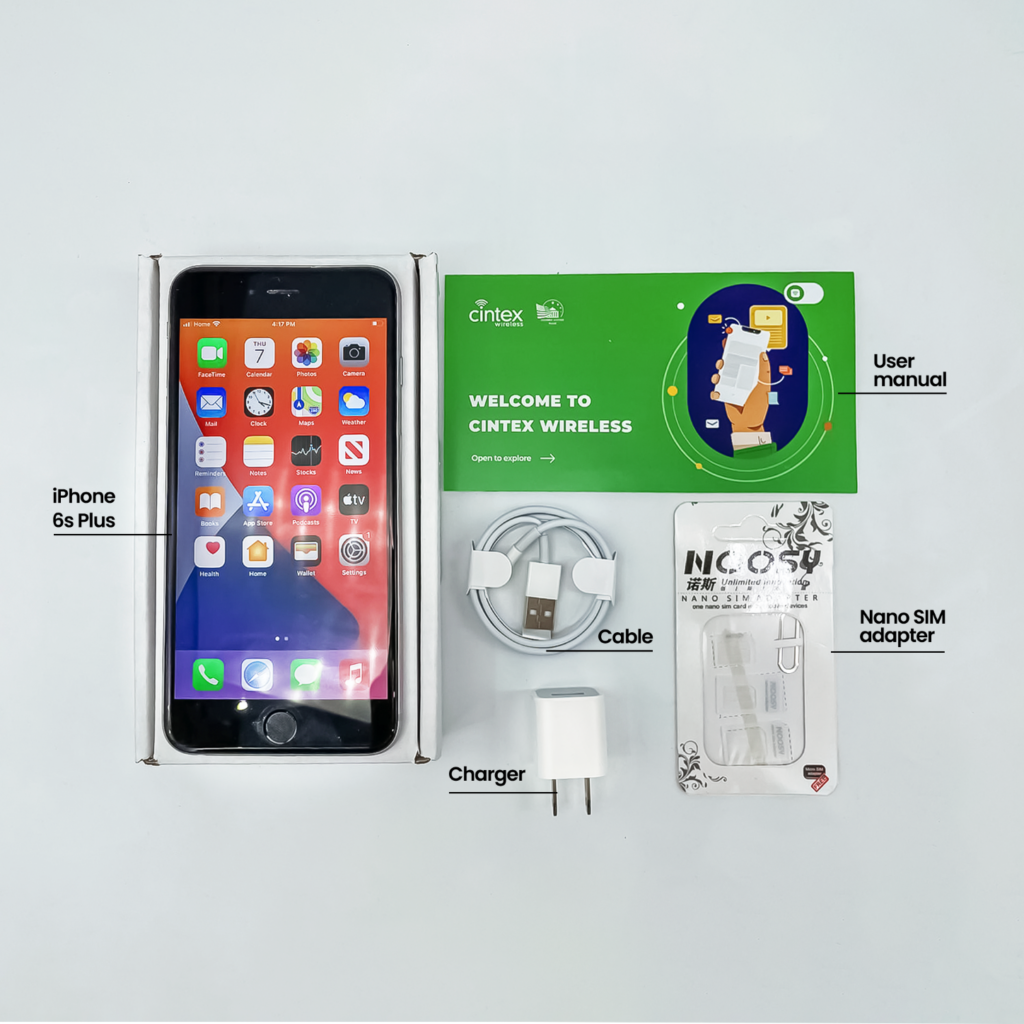
You could save a lot compared with buying these devices at retail prices. Some may even be free, while others come at a discount. Keep in mind that offers and availability vary by location, eligibility, inventory, and current promotions.
Ready to save? See what you could save on wireless service and devices with AirTalk Wireless.
DISCLAIMER: The government does not subsidize devices. Lifeline programs cover basic service costs only. Free or discounted devices, upgrade plans, or top-ups are exclusive benefits provided by AirTalk Wireless and Cintex Wireless as part of the promotional offers. Terms and conditions apply. Limited-time promotion—offers vary by state, stock availability, and eligibility.
FAQs
What Are the Four Types of Medicaid?
Four recognized Medicaid managed care arrangements are Managed Care Organizations (MCOs), Primary Care Case Management (PCCM), Prepaid Inpatient Health Plans (PIHPs), and Prepaid Ambulatory Health Plans (PAHPs). These are not the only ways Medicaid delivers coverage.
What Is the Most Popular Medicaid Plan?
Managed Care Organizations (MCOs) are the most common Medicaid coverage model. Among individual plans, L.A. Care Health Plan had the highest reported enrollment in KFF’s July 2024 data, with approximately 2.36 million members.
Does Medicaid Cover Everything 100%?
No. Medicaid covers eligible services, but coverage limits, prior authorization, and certain out-of-pocket charges may apply. Many members pay little or nothing for covered care, and federal rules prohibit cost-sharing for certain services and groups.
Can I Change My Medicaid Plan After Enrolling?
Yes, Medicaid members may be able to change plans during designated enrollment periods or under qualifying circumstances. Switching rules vary by state, so contact your Medicaid agency or enrollment broker to check your options.
Conclusion
The right Medicaid plan can make a real difference in how easily you access health care and manage everyday medical costs. Before enrolling, check that your preferred doctors are in-network, your medications are covered, and the plan fits your needs.
Taking a little time to compare Medicaid plans now can help you avoid surprises and feel more confident about your health care choices.