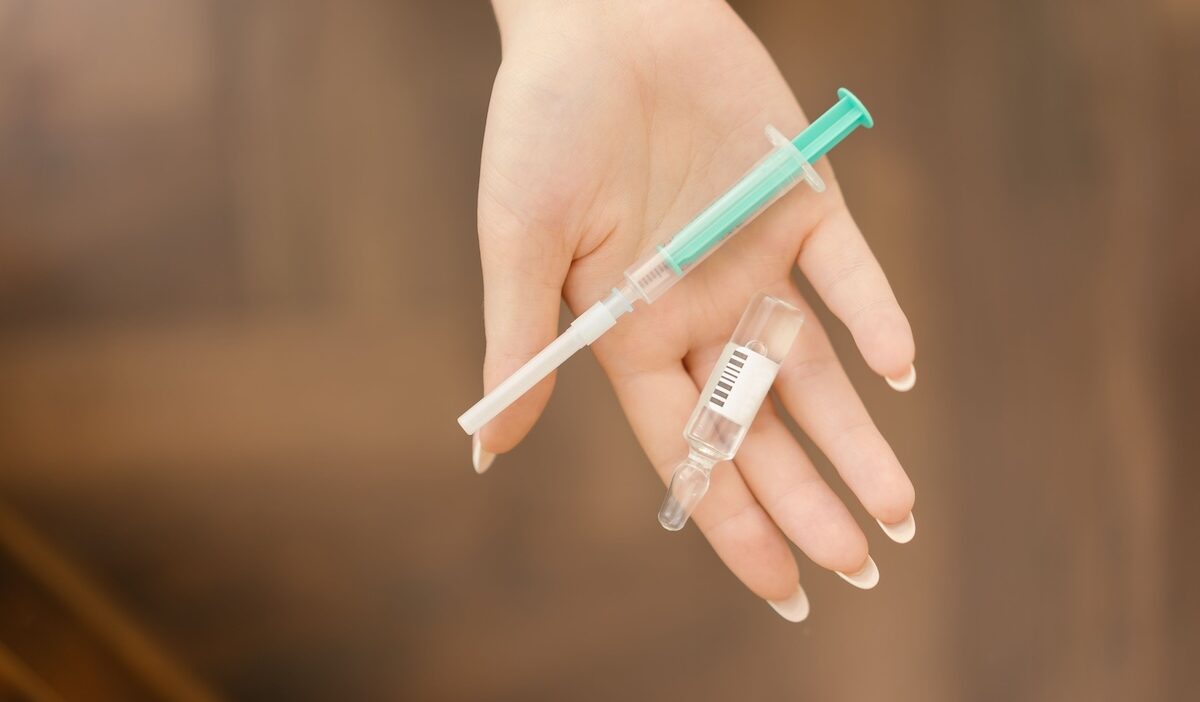
A clinic offers ketamine treatment, but its price leaves you wondering whether Medicaid can help. The answer becomes confusing when infusions, nasal sprays, and at-home products appear under similar descriptions.
If you’re asking, does Medicaid cover ketamine treatment, identify the exact treatment first. Here’s how product differences, coverage policies, and treatment settings affect payment.
1. Does Medicaid Cover Ketamine Treatment?
Medicaid may cover certain ketamine treatments, but coverage depends heavily on how the medication is used.
Ketamine administered as part of a medically necessary procedure, such as anesthesia, may be covered. However, IV ketamine infusions for depression or chronic pain are off-label treatments, and Medicaid coverage is often limited or unavailable.
Spravato (esketamine) is different. This FDA-approved nasal spray may be covered for eligible adults with certain depression diagnoses, subject to state Medicaid policies, medical necessity, and authorization requirements.
Coverage is not automatic, even when a treatment is FDA-approved.
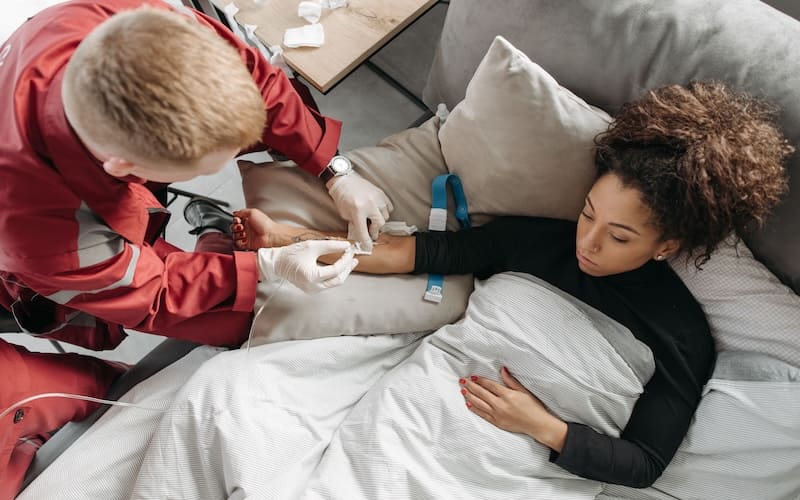
2. Ketamine Vs. Spravato: Which Treatments May Medicaid Cover?
Although these treatments are related, they have different FDA approval statuses and coverage requirements when it comes to deciding does Medicaid cover ketamine treatment.
| Treatment | Coverage distinction |
| Injectable ketamine for anesthesia or procedural care | May be covered within an eligible, medically necessary procedure |
| IV ketamine for depression | Off-label use; coverage is often restricted or denied |
| IV ketamine for chronic pain | Off-label use; coverage depends on the state, indication, and medical necessity policies |
| Spravato (esketamine) nasal spray | May be covered for FDA-approved indications, subject to the applicable clinical requirements |
| Compounded ketamine lozenges or nasal sprays | Not FDA-approved products; coverage is uncertain and should not be assumed |
What Makes Spravato Different?
Spravato is FDA-approved for two uses in adults:
- Treatment-resistant depression, either alone or together with an oral antidepressant.
- Depressive symptoms in major depressive disorder with acute suicidal ideation or behavior, when combined with an oral antidepressant.
However, Spravato has not been demonstrated to prevent suicide or reduce suicidal thoughts or behaviors.
Compounded ketamine products are not FDA-approved equivalents of Spravato. The FDA has also warned about safety risks associated with compounded ketamine used for psychiatric conditions, particularly when patients take it without appropriate medical monitoring.
>>> Read more: Does Medicaid Pay for Sober Living? Rent vs Treatment
3. What Determines Whether Medicaid Approves Treatment?
To resolve “does Medicaid cover ketamine treatment,” review four connected requirements.
- Diagnosis and medical necessity: Your clinician must document why the treatment is appropriate for your condition and meets the plan’s coverage criteria.
- Previous treatments: For treatment-resistant depression, insurers may require evidence that previous antidepressants were unsuccessful. Requirements can differ for other approved indications.
- Prior authorization: Some Medicaid programs require approval before treatment begins. For example, Iowa Medicaid recognizes Spravato as a medical benefit but requires prior authorization for applicable claims as of January 2026.
- Treatment provider and billing: Your clinic must meet relevant participation and billing requirements. Coverage for the medication doesn’t automatically establish payment for every associated service.
Ask your Medicaid plan for its current drug-specific policy and have your clinician confirm the requirements before scheduling treatment.

4. Why Does The Treatment Setting Affect Spravato Coverage?
When exploring does Medicaid cover ketamine treatment, the treatment setting is important, especially for Spravato, which requires medical supervision. Coverage may depend on whether the facility meets safety requirements and participates in the patient’s Medicaid program.
- REMS-certified healthcare setting: Spravato must be self-administered under direct healthcare-provider observation at a REMS-certified healthcare setting. It cannot be dispensed for patients to take home.
- Patient enrollment and monitoring: Outpatients must be enrolled in the Spravato REMS program and monitored for at least two hours after each dose. Healthcare providers assess patients for potential adverse reactions before determining whether they are ready to leave.
- Safety and administration requirements: Supervision is necessary because Spravato can cause sedation, dissociation, respiratory depression, and other serious adverse effects.
- Facility participation in Medicaid: REMS certification does not automatically mean a healthcare facility accepts Medicaid. Patients should confirm that the treatment center participates in their Medicaid program and can provide covered Spravato services.
- Coverage for treatment and observation: Medicaid coverage may involve separate requirements for the medication, administration, and post-treatment monitoring.
>>> Read more: Does Medicaid Cover Braces In Indiana? When Treatment May Be Approved
5. How To Check Coverage Before Scheduling Treatment
Use these steps to turn does Medicaid cover ketamine treatment into a case-specific answer.
Step 1. Identify the exact treatment: Obtain the drug name, formulation, route, diagnosis, and proposed services.
Step 2. Contact the correct Medicaid administrator: Ask whether the state, managed care plan, or pharmacy administrator handles the request.
Step 3. Review the current coverage policy: Check clinical criteria, treatment-history requirements, quantities, and renewal rules.
Step 4. Confirm the treatment provider: Verify the provider‘s network participation, required certification, and billing arrangements.
Step 5. Verify approval and expected costs: Confirm authorization dates, approved sessions, monitoring charges, and applicable cost-sharing. Request written details before committing financially.
A clinic saying it “accepts insurance” does not fully answer “does Medicaid cover ketamine treatment.”
6. Keep Treatment Calls And Follow-Ups Within Reach
Scheduling treatment, checking authorization, and arranging follow-up visits can mean several calls. Keeping phone service affordable helps you stay connected with your care team while managing household expenses.
The Lifeline Program is a government assistance program that reduces wireless service costs for eligible households through a monthly discount. You may qualify through Medicaid, SNAP, SSI, Federal Public Housing Assistance, or household income at or below 135% of the Federal Poverty Guidelines. Only one Lifeline benefit is allowed per household.
Lifeline funds the discount, while an approved Eligible Telecommunications Carrier (ETC) provides service and applies the savings. That is why eligibility approval still requires enrollment with a participating carrier before you can use the supported service.
Cintex Wireless is one candidate you can take into consideration. The carrier has been serving eligible households with Lifeline discount implemented in its service plan.
The carrier is merging into AirTalk Wireless, another approved ETC offering Lifeline-supported service. This merger gives eligible applicants a wider selection of devices and simplifies enrollment, making it easier to explore available plans and phone offers.
Getting started generally involves:
- Enter your ZIP code on the carrier’s website to check service availability.
- Compare available plans and devices. Pick the one that suits your needs most.
- Complete your application and submit proof of eligibility if requested.
- Await approval and activate your service by following the carrier’s instructions.
Plans and device offers depend on your location, eligibility, and availability. An affordable connection can help you receive authorization updates, return your clinician’s calls, and keep treatment arrangements on track.
IMPORTANT: The government does not subsidize devices. Lifeline programs cover basic service costs only. Free or discounted devices, upgrade plans, or top-ups are exclusive benefits provided by AirTalk Wireless and Cintex Wireless as part of the promotional offers. Terms and conditions apply. Limited-time promotion—offers vary by state, stock availability, and eligibility.
7. FAQs
Does Medicaid cover ketamine infusions for depression?
Medicaid often does not cover IV ketamine infusions for depression because this treatment is an off-label use and may be excluded under state coverage policies. However, exceptions may apply depending on medical necessity, diagnosis, and specific Medicaid plan requirements.
Is Spravato covered the same way as IV ketamine?
No. Spravato (esketamine) is FDA-approved for certain adult depression conditions and may qualify for Medicaid coverage with prior authorization. IV ketamine infusions for depression are used off-label and may face different restrictions or coverage exclusions.
Does Medicaid cover ketamine treatment for chronic pain?
Medicaid coverage for ketamine treatment for chronic pain is often limited or unavailable. IV ketamine for chronic pain is an off-label treatment, and some state Medicaid programs may exclude it. Approval depends on the state’s coverage policy, diagnosis, and medical necessity requirements.
Can Medicaid pay for at-home ketamine lozenges?
Medicaid may not cover at-home ketamine lozenges because they are generally compounded medications without FDA approval for treating depression. Coverage varies by state and plan. The FDA also warns about safety risks associated with compounded ketamine used without appropriate medical supervision.
What if my Medicaid plan denies Spravato?
If Medicaid denies Spravato coverage, you can request the written denial reason and file an appeal within your plan’s deadline. Your healthcare provider may help by submitting additional medical records, documenting previous treatments, or correcting an incomplete prior authorization request.
Conclusion
Does Medicaid cover ketamine treatment? Yes, potentially, but approval depends on the prescribed medication, diagnosis, healthcare provider, treatment setting, and applicable state Medicaid policies.
Spravato, IV ketamine infusions, and compounded ketamine products may follow different coverage rules.