
Are you wondering how to get WIC if income too high? It’s a common concern, especially for families whose earnings seem just above the standard limits.
What many people don’t realize is that eligibility is not based on income alone. Participation in programs like Medicaid or SNAP may qualify you through adjunctive eligibility, and in some cases, local offices can review your most recent 30-day income to reflect your current situation more accurately.
Understanding these pathways can make it easier to access the nutritional support WIC is designed to provide. In the sections below, you’ll explore three alternative eligibility options that may apply to your family.
1. Can You Qualify for WIC if Your Income is Too High?
You can often get WIC if your income appears too high by utilizing adjunctive eligibility. If you or a family member receives Medicaid, SNAP, or TANF, you may qualify regardless of the income cap.
Moreover, local offices can also review cases where income was reduced in the last 30 days.
Your local office can expand your standard limits using these methods:
- Automatic Eligibility: You may qualify without a separate income review if you participate in programs like Medicaid, SNAP, or TANF.
- Household Size: WIC counts unborn children as household members, which increases your income limit.
- Income Exclusions: Staff excludes specific pay types, such as combat pay or military housing allowances (BAH).
- Recent Changes: Officials can review your income from the last 30 days if you recently lost your job.
Please check your status even if you think your paycheck is too large.

2. WIC Income Guidelines: Latest Update
For the period of July 1, 2025, to June 30, 2026, the annual income limit for a family of four is $59,478. This amount equals 185% of the federal poverty guidelines.
If you earn more than this amount, you must use a secondary qualification method to receive benefits. WIC updates these how to get WIC if income too high limits every year to match federal poverty guidelines.
| Household Size | Annual Income (185%) | Monthly Income |
| 1 Person | $28,953 | $2,413 |
| 2 People | $39,128 | $3,261 |
| 3 People | $49,303 | $4,109 |
| 4 People | $59,478 | $4,957 |
You can increase your threshold by accurately calculating your household size. WIC counts an unborn child as a household member. If you are pregnant with twins, you count as three people. This rule helps you qualify even if your current salary seems high.
IMPORTANT NOTE: When applying, you should check the latest WIC income guidelines to verify your status.
3. How to get WIC if income too high: 3 Main Pathways
How to get WIC if income too high? By using the adjunctive eligibility rule through Medicaid, SNAP, or TANF participation. This helps you get approval regardless of your salary.
You can also ask WIC staff to review your income from the last 30 days instead of your last tax return to qualify based on current financial need.
Use Automatic Eligibility
The fastest way of how to get WIC if income too high to involves adjunctive eligibility. If you, your child, or a pregnant family member receives Medicaid, SNAP, or TANF, you may be eligible for WIC much faster.
- Automatic Approval: Program participation acts as a streamlined eligibility pathway.
- Reduced Paperwork: You simply provide your award letter from these programs to skip the traditional income screening process.
- Family-Wide Benefit: If one member receives a qualifying benefit, other eligible members of the household (such as children under 5 or pregnant individuals) may also qualify.
The 30-Day Recalculation
Your local office can review your income from the last 30 days instead of your last tax return. This method helps families who have recently lost a job or had their hours reduced.
- Current Need Priority: WIC cares about your situation today, not your situation last year.
- Immediate Qualification: If your current monthly paycheck fits the guidelines, you qualify today.
- Flexible Evidence: You can use recent pay stubs or a termination letter to prove your current income has dropped.
Military Income Exclusions
Service members have a distinct advantage when applying for benefits. WIC staff excludes certain non-cash payments from your gross income calculation.
- BAH Exclusion: You do not have to count your Basic Allowance for Housing (BAH) as income.
- Combat Pay: Money earned in a designated combat zone is not included in the 185% calculation.
- Lower Reported Earnings: Excluding these allowances often brings your reportable income below the required threshold, making it easy to see how to get WIC if income too high.
>>> Read more: How to Use WIC Online Walmart Easily? A Step-By-Step Guide
4. The WIC Application Checklist and “”Ready Folder””
To apply when your income is high, bring proof of participation in Medicaid or SNAP to your local office. This contributes to faster approval speed. You should also use the official WIC Eligibility Tool to check your status before you arrive.
Additionally, building a “Ready Folder” with these documents helps you easily get WIC if your income is too high during your appointment.
Your “Ready Folder” must include the following items for every family member:
- Proof of Identity: A driver’s license, birth certificate, or social security card.
- Proof of Residence: A current utility bill or lease agreement showing your address.
- Income Records: Pay stubs or a signed statement for the last 30 days.
- Award Letters: Current proof of participation in Medicaid, SNAP, or TANF.
Note: If the local office denies your case initially, you have the right to an appeal. Ask for a written explanation for the denial and request a fair hearing. You can provide additional proof, such as evidence of military housing exclusions or recent job loss, to support your case. This secondary review ensures the staff calculated your household size and income exclusions correctly.
>>> Read more: How To Find A WIC Office Near Me? Maximize Your Benefits NOW
5. Qualified WIC? Get also Free 5G Smartphone Services through Lifeline
Programs like Medicaid or SNAP do more than help you qualify for WIC. They may also make you eligible for the Lifeline program, a government assistance program that provides a monthly discount on phone service or internet service for qualified households.
Some participating providers, known as Eligible Telecommunications Carriers (ETCs), may offer free devices as part of their promotions, depending on availability and location. Lifeline is limited to one discount per household and is designed to make basic communication more accessible.
Having reliable phone service can make it easier to stay on top of your WIC benefits. Local offices may reach out to schedule appointments or confirm documents, and staying reachable helps you avoid missed updates or unnecessary delays in your benefits process.
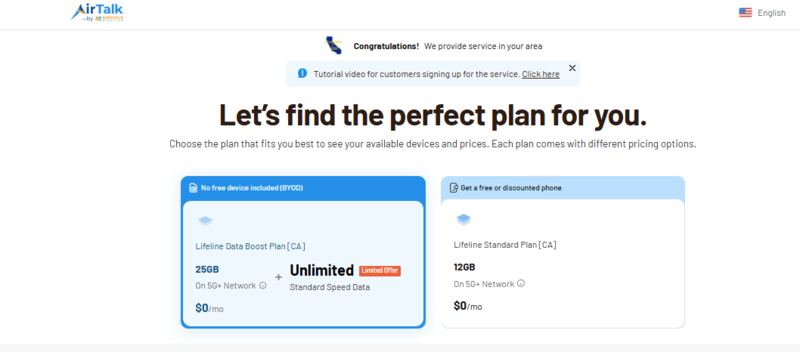
Eligible Telecommunications Carriers (ETCs) like Cintex Wireless will offer these Lifeline benefits below to eligible customers, which can support them in the WIC application process.
- Free 5G Smartphone: Use this device to upload income records and access the WIC office locator instantly.
- Unlimited Talk & Text: Stay in touch with nutritionists and case managers without any monthly cost.
- Free Data: Access your eWIC balance or attend virtual health screenings from any location.
Cintex Wireless is currently merging with AirTalk Wireless, another established Eligible Telecommunications Carrier (ETC). As this transition progresses, applicants may experience a more streamlined application process, improved customer support, and access to a broader selection of devices, depending on availability and location.
>>> Read more: What Are the Best Free Government Phone Carriers? Compare and Apply Now!
6. Frequently Asked Questions (FAQs)
Q1. What is adjunctive eligibility?
Adjunctive eligibility is a rule that grants you WIC approval if you participate in other assistance programs. If you or a family member receives Medicaid, SNAP, or TANF, you may qualify regardless of your current pay scale. This method helps you meet the requirements of traditional income limits to provide immediate nutritional support.
Q2. Does WIC look at gross or net income?
WIC looks at your gross income, which is the total amount you earn before taxes or deductions. Staff use this figure to compare your household earnings against the 185% federal poverty guidelines. However, certain military allowances like BAH are excluded from this gross total.
Q3. Can I get WIC if I have a high-paying job but just lost it?
Yes, you can get WIC immediately after losing a high-paying job. Local offices can evaluate your financial status based on your income from the last 30 days. This “Current Income” rule helps families who face sudden unemployment or reduced hours qualify based on their present need.
Q4. If qualifying for WIC, can I apply for other assistance programs?
Yes, qualifying for WIC often means you meet the requirements for other federal benefits. You should check your eligibility for the Lifeline program to receive a free smartphone and monthly service. This connection helps you manage your health referrals and eWIC balance without monthly costs.
Final Words
Understanding how to get WIC if income too high often comes down to looking beyond the standard income limits. Programs like Medicaid or SNAP can open an alternate path through adjunctive eligibility, while recent income changes may also be considered based on your current situation.
WIC is designed to support health during pregnancy and early childhood, so it’s worth reviewing your eligibility even if your income initially seems above the threshold. And if you do qualify through programs like Medicaid or SNAP, you may also be eligible for additional support, such as Lifeline, which helps make communication services more affordable.