
What is the difference between Medicare and Medicaid? At first glance, they can seem almost the same, but the way they work and who they serve can be very different.
Understanding that difference matters more than most people expect. It can affect what you qualify for, how much you pay, and what kind of care you receive.
Before making any assumptions about your coverage, it helps to take a closer look. Keep reading to see how these two programs compare and where you might fit in.
1. What is Medicare?
Medicare is a federal health insurance program built primarily for adults aged 65 and older, regardless of their income.
While age is the main requirement to qualify, younger individuals can also enroll early if they receive Social Security disability benefits or have specific conditions like End-Stage Renal Disease (ESRD) or ALS.
Medicare eligibility is mainly based on age, work history, or disability status, but you must also meet certain residency and legal requirements to enroll.
Medicare Costs and Coverage
Medicare is not entirely free. Patients are generally responsible for out-of-pocket costs like monthly premiums, deductibles, and coinsurance, which update every year.
The program covers different healthcare needs through specific parts:
- Part A (Hospital Insurance): Covers inpatient care. Most people pay a $0 premium, but deductibles apply per benefit period.
- Part B (Medical Insurance): Covers doctor visits and outpatient care. Most enrollees pay a monthly premium and a percentage of the service cost.
- Part C (Medicare Advantage): Private plans that combine Parts A and B, and often include additional benefits. Costs vary by plan.
- Part D (Prescription Drugs): Optional coverage for medications, with premiums and cost-sharing depending on the plan you choose.

2. What is Medicaid?
Medicaid is a joint federal and state program that provides free or low-cost health coverage to Americans with limited resources.
Eligibility is strictly based on financial need, which usually depends on your household income compared to the Federal Poverty Level (FPL).
Unlike Medicare, Medicaid covers eligible people of all ages. This includes pregnant women, children, low-income families, and individuals with disabilities.
Because individual states manage the program within federal guidelines, the specific rules and program names vary by location. For example, the program is called Medi-Cal in California.
Medicaid Costs and Expanded Coverage
If you qualify for Medicaid, you will generally face very low or zero out-of-pocket costs for your healthcare.
Coverage has also grown significantly in recent years. Under the Affordable Care Act, most states have adopted Medicaid expansion, allowing more low-income adults to qualify for coverage based on income.
This expansion extends health benefits to low-income adults who earn up to 138% of the federal poverty level ($22,025/year for a single adult), although the exact income limits are updated regularly.
Moreover, Medicaid also pays for several crucial services that Medicare does not cover.
While Medicare focuses strictly on medical and hospital bills, Medicaid often covers long-term nursing home care, in-home personal care services, and, in some states, dental and vision services.
This is considered by many to be the most distinguishing trait of Medicaid, for questions like what is the difference between Medicare and Medicaid?
Because Medicaid is managed at the state level, eligibility rules, covered services, and costs can vary depending on where you live.
>>> Read more: Free Phone Medicaid Program: Claim $0 Phones and Monthly Service
3. What Is The Difference Between Medicare And Medicaid? Key Difference
While the names sound similar, the programs serve entirely different purposes.
To help you understand what is the difference between Medicare and Medicaid in your current situation, here is a quick breakdown of their key differences at a glance.
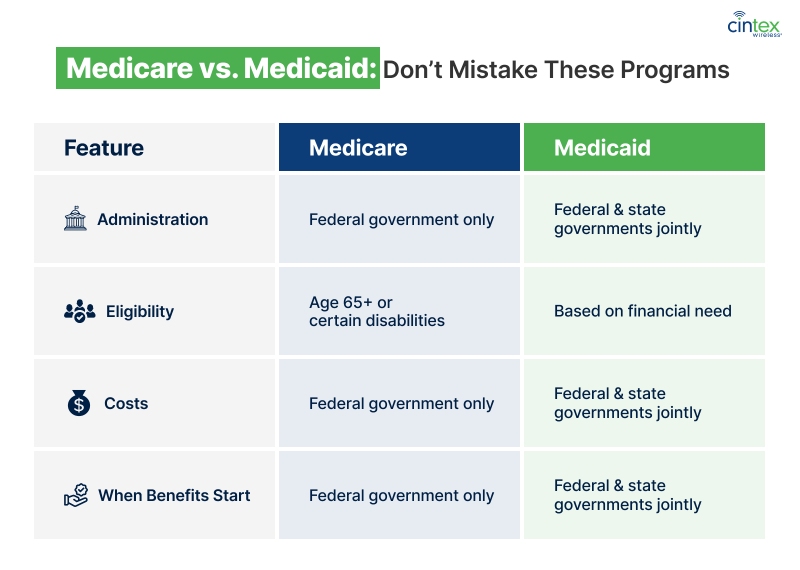
| Feature | Medicare | Medicaid |
| Administration | Run strictly by the federal government. | Run jointly by federal and state governments (rules vary by state). |
| Eligibility | Based on age (65+) or specific disabilities, regardless of income. | Based strictly on financial need (income and resources). |
| Costs | Moderate to high out-of-pocket costs (monthly premiums, deductibles, and coinsurance). | Little to no out-of-pocket costs (although some states may require small copayments for certain services). |
| When Benefits Start | Typically begins after receiving disability benefits for a set period, although certain conditions like ALS may qualify for faster access. | Typically begins once you are approved and, in many cases, may retroactively cover certain medical expenses from the previous months, depending on your state’s rules. |
4. Dual Eligibility: Can I Have Both Medicare and Medicaid?
Yes, you can have both programs at the same time. If you are 65 or older and also meet the low-income limits set by your state, you can enroll in both. Individuals who qualify for both programs are known as “Dual Eligibles.”
When you have dual eligibility, the two programs coordinate to lower your overall healthcare costs. Here is how they work together:
- Medicare is the primary payer: When you visit a doctor or go to the hospital, Medicare processes your claims and pays its portion of the medical bills first.
- Medicaid is the secondary payer: After Medicare pays its share, Medicaid steps in to pick up the remaining out-of-pocket costs. This includes paying your Medicare copays, monthly premiums, and annual deductibles. Medicaid also covers the major gaps that Medicare ignores, such as long-term nursing home care and personal care services.
5. Maximize Your Medicaid Benefits With Free Phone Service
While Medicaid and Medicare help reduce your medical expenses, staying in touch is a different kind of cost.
This is where the Lifeline program comes in. Lifeline is a federal government assistance program that helps make phone service and internet service more affordable for eligible households.
Rather than providing service directly, Lifeline works through approved providers known as Eligible Telecommunications Carriers (ETCs), such as Cintex Wireless. Through these providers, the benefit is applied to your monthly service to help you stay connected.
Because this is a regulated program, there are a few important rules to keep in mind. Only eligible consumers may enroll; the service is non-transferable, and it is limited to one discount per household. These guidelines help ensure the benefit reaches those who need it most.
So how do you qualify? In many cases, your existing support already points the way.
- Because Medicaid is strictly income-based, being enrolled in Medicaid can help you qualify for the federal Lifeline program.
- While Medicare alone does not automatically qualify you, many beneficiaries also receive Medicaid, Supplemental Security Income (SSI), or meet the low-income threshold (135% of federal poverty guidelines) to enroll.
Choosing carriers like Cintex Wireless, besides the Lifeline benefits, you can access a free device offer from the carrier.
As part of ongoing improvements in service, Cintex Wireless is in the process of merging with AirTalk Wireless, bringing together resources to support a smoother experience for customers.
Depending on your eligibility and what is available in your area, you may receive service benefits such as:
- A free 4G/5G smartphone
- Unlimited talk and text
- Monthly data for qualifying individuals
The exact offers can vary, but the purpose stays the same: making sure you can stay connected to the care, information, and people that support your health every day.
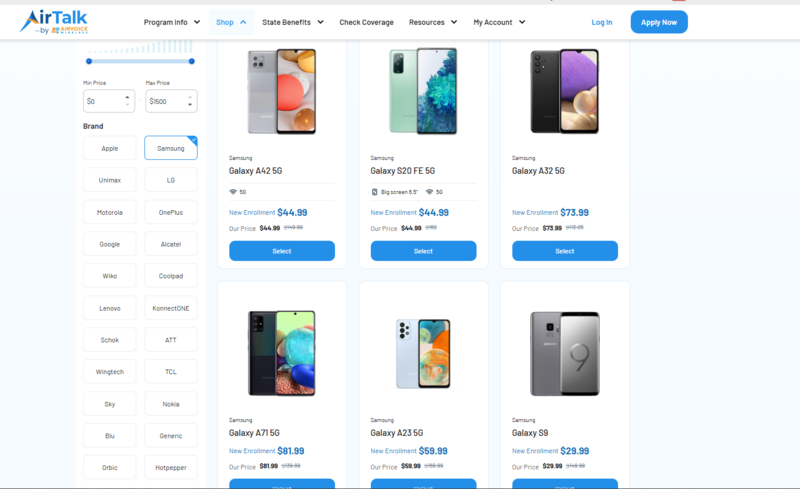
IMPORTANT: The government does not subsidize devices. Lifeline programs cover service costs only. Free or discounted devices are promotional offers from providers. Availability varies by state, ZIP code, stock, and eligibility. Terms apply.
>>> Read more: Top 10+ Best Free 5G Government Phones iPhone Users Can Get
6. Frequently Asked Questions (FAQ)
Q1. Do I have to pay back Medicaid?
In some cases, yes. Under the Medicaid Estate Recovery Program (MERP), states are required to seek repayment for certain services, like long-term care, from a deceased beneficiary’s estate. Medicare does not have a similar recovery program.
Q2. Does Medicare cover nursing homes?
Generally, no. Medicare only pays for short-term stays in a skilled nursing facility after a qualified hospital visit. It does not cover long-term custodial care in a nursing home; that type of long-term support is primarily covered by Medicaid.
Q3. Is Medicare Advantage the same as Medicaid?
No. Medicare Advantage (Part C) is a private insurance alternative to Original Medicare. However, there are Dual Special Needs Plans (D-SNPs), which are specific Medicare Advantage plans tailored for individuals who are “dual eligible” and have both Medicare and Medicaid.
Final Words
Understanding what is the difference between Medicare and Medicaid is vital for managing your healthcare costs and accessing the right benefits.
Whether you qualify for one or both, these programs provide a foundation for your physical and financial well-being.
Since enrollment in Medicaid often unlocks additional federal assistance, like free smartphone service, make sure you explore all the relief programs available to help keep your family healthy and connected.