For many people with missing teeth, the expense of treatment can be stressful. That is why they frequently ask, Does Medicaid cover dental implants? before making their choices.
However, the answer is not always straightforward since Medicaid dental coverage varies greatly by state, particularly for adults.
This blog post explains how insurance works, how to qualify for Medicaid to fund dental implants, and other helpful information.
Does Medicaid Cover Dental Care?
Medicaid may or may not cover dental care depending on your age.
States are required to provide dental insurance to people under 21 as part of Medicaid’s comprehensive child health program, the Early and Periodic Screening, Diagnostic, and Treatment (EPSDT).
This covers both preventive care and medically essential treatment, not just emergency care.
Dental services shall be provided at appropriate intervals that fulfill the standards of dental practice established by the state following consultation with recognized dental organizations concerned with child health.
However, for those aged 21 and over, dental care is optional in most states; Therefore, benefits vary greatly.
Some states offer emergency dental treatment only for adults, while others provide more comprehensive services.
Does Medicaid Cover Dental Implants?
Medicaid is a jointly funded federal and state healthcare assistance program that may or may not cover dental implants in adults.
Dental implants are often considered non-essential procedures, although coverage may be considered in rare cases when they are deemed medically necessary.
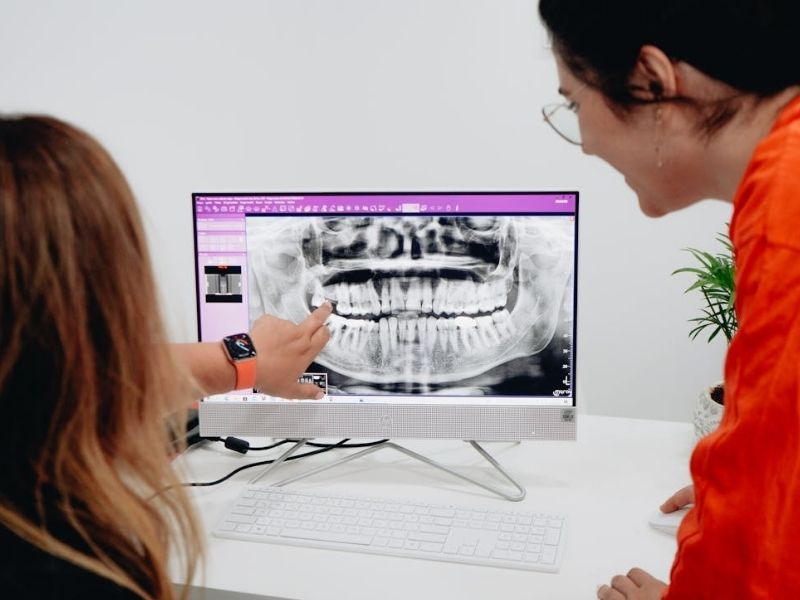
Based on where you live, while full coverage for a dental implant is rare, you can boost your chances of receiving Medicaid coverage for a dental implant by making a solid case.
Your doctor will determine whether a dental implant is medically necessary based on your condition.
Several reasons a doctor may deem dental implants medically essential are:
- Implants may be used to replace missing teeth as part of a reconstructive procedure following an accident.
- If you are having difficulty speaking, chewing, or sleeping because of missing teeth.
- If you are experiencing additional quality-of-life difficulties, such as persistent jaw discomfort.
How to Get Medicaid to Cover Dental Implants?
Although there is a slim chance regarding “Does Medicaid cover dental implants?”, there is still hope.
In an emergency, they may allow the procedure if it is deemed the best treatment option.
Individuals under 21 may have broader dental coverage under EPSDT, but this does not guarantee coverage for dental implants. According to the Health and Human Services, all states’ Medicaid plans must provide dental care for those under 21.
If you are over 21, you should first see your doctor. Schedule an appointment with them and describe in full the medical problems you’re experiencing with your teeth, mouth, or jaw.
Be honest, and express any discomfort you have when eating, chewing, talking, or simply relaxing.
If your doctor believes dental implants are necessary, they will propose a treatment plan and refer you to an oral surgeon.
Then, you may need to communicate directly with your Medicaid office to ensure that you have collected all essential documents to complete your claim successfully.
Ask as many questions as possible along the way, and keep notes on who you talk with in case you need to refer back to the conversation on a future call.
With any luck (and correct documentation), you may be just a few steps away from receiving a life-changing dental implant!
>>>Read more: How to Easily Find Dentist Near Me That Accept Medicaid in 2026?
Alternative Options for Affordable Dental Implants
Does Medicaid cover dental implants? If it is impossible in your case and state, here are some alternatives to consider:
- Third-party financing: Many implant dentists work with outside financing companies to help patients spread the cost of treatment over time.
- Dental schools: Some dental schools provide lower-cost implant services, often performed by students under professional supervision. In some cases, dental insurance may also help with part of the cost.
- Dental savings plans: Many providers offer dental savings plans that can reduce the cost of certain procedures. Before choosing one, make sure it includes dental implants and covers preexisting missing teeth, if applicable.
- Dental tourism: Some patients choose to travel to countries such as Mexico, Colombia, or Costa Rica, where dental implants may cost less. If considering this option, it is vital to speak with the U.S.-based dental professional and ensure the provider abroad is qualified and properly certified. Note that there will be challenges when you have to follow-up your dental cases, and insurance may not cover complications.
Surprising Benefit You Can Receive with Medicaid
One surprising benefit of having Medicaid is that it can also help you qualify for the Lifeline program.
Lifeline is a federal program that lowers the monthly cost of phone service or internet service for eligible low-income households, and Medicaid is one of the qualifying programs under the current rules.
If you’re not qualified for Medicaid to apply for Lifeline, the other criteria for Lifeline involve participating in other programs like SSI, SNAP, Section 8, or Tribal programs, or the household meet the income limit.
Under Lifeline, you can receive a monthly discount of up to $9.25 on phone service, internet service, or bundled service. Meanwhile, those in tribal areas can get up to $34.25 per month.
However, the Lifeline discount is non-transferable and cannot be passed on to someone else. Only one benefit is allowed per household, and the program is reserved for eligible consumers only.
In addition, when you apply through an Eligible Telecommunications Carrier, you may also get a free phone and tablet with Medicaid, along with free talk and text, etc.
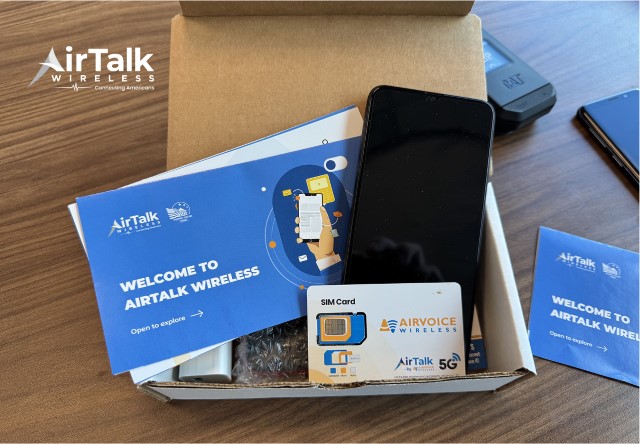
One of the most popular Lifeline providers to consider is Cintex Wireless. The company is now merging with AirTalk Wireless to offer a smoother application process and more device choices.
Here are some outstanding models (may vary by state):
- iPhone 8 Plus
- iPhone 11
- iPhone 11 Pro Max
- iPhone 12
- iPhone 13
- Motorola One 5G ACE
- Samsung Galaxy S21 5G
- Samsung Galaxy A12
IMPORTANT: The government does not subsidize devices. Lifeline programs cover basic service costs only. Free or discounted devices, upgrade plans, or top-ups are exclusive benefits provided by Cintex Wireless as part of our promotional offers. Terms and conditions apply. Limited-time promotion—offers vary by state, stock availability, and eligibility.
Conclusion
The answer to “Does Medicaid cover dental implants?” depends on a few important factors, including where you live, your age, and whether the procedure is considered medically necessary.
While it may not always be a straightforward yes or no, there are still possibilities worth exploring. Taking a moment to review your state’s Medicaid plan or speaking directly with your provider can help you better understand your options and move forward with more confidence.