A SIM card is essential in connecting your device to a cellular network. Whether you’re a computer whiz or a beginner to the world of mobile devices, knowing what is a SIM card is and how it works is critical.
This blog post will explain everything you need to know about SIM cards, including what they are, how they work, and why they are important. You may also learn how to get a free SIM card.
1. What Is A SIM Card?
SIM stands for Subscriber Identity Module. It is a removable microchip attached to the plastic card that securely stores your crucial account information and other things.
Generally, the SIM card connects your phone to the carrier’s network. This is how it works.
- Identifies you across the network: Each SIM card has a unique IMSI (International Mobile Subscriber Identity), which identifies you to the network and links you to the account. The first few digits indicate your country and carrier, while the remainder corresponds to your unique account.
- Authenticating your device: Your SIM carries a secure key, similar to a password. When you call or text, your phone and the network use this key to verify your identity. Also, this prohibits any unlawful usage.
- Enabling communication: Once verified, your SIM lets you use mobile services, including SMS for texting, mobile data for internet access, or voice calls routed through the network.
2. What Does a SIM Card Do?
A SIM card identifies the owner of a smartphone. When you insert a SIM card into a smartphone, you can use the internet and make calls using your phone number.
Furthermore, as long as there are no issues with the model and carrier combination, you may simply insert the SIM card into another device to change the model.
Besides, if you wish to change carriers, you can simply sign up for a new SIM card and do so without changing your phone model.
In particular, “MNP” (Mobile Number Portability) allows you to switch carriers while keeping your phone number.
On the other hand, if a phone does not have a SIM card, it does not have a phone number or an IMSI to connect to a mobile network.
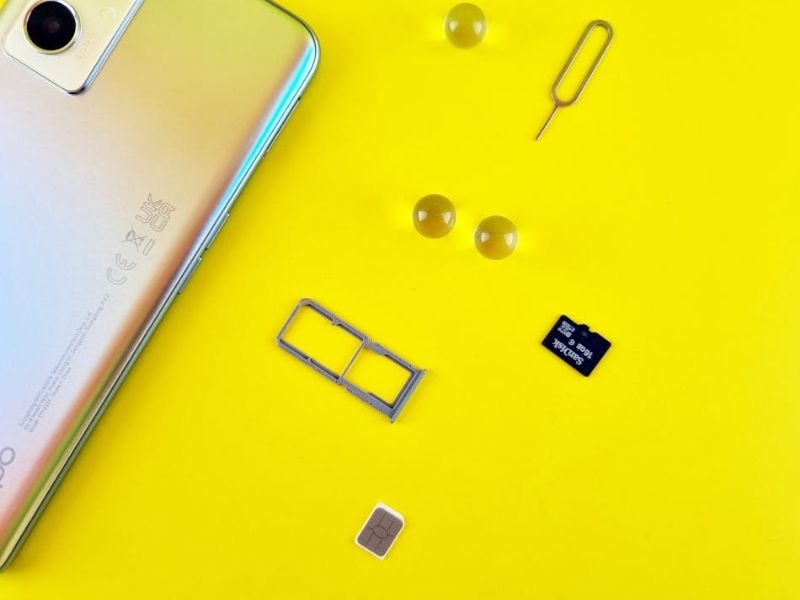
3. What is Stored on a SIM Card?
Now you know what is a SIM card. But what exactly does it contain?
Your SIM has an ID number, also known as an international mobile subscriber identity (IMSI), as well as a personal identification number (PIN) to prevent theft.
Moreover, it stores the following information:
- Advice of Charge (AoC): Estimates the cost of mobile service usage.
- Authentication Key (Ki): Unique SIM credential used to verify access to the mobile network.
- Mobile Country Code (MCC): Identifies the country associated with the mobile network.
- Local Area Identity (LAI): Network location identifier used alongside other subscriber information.
- Service Dialing Numbers (SDN): Special numbers that provide account-related information, such as balance inquiries.
- Service Provider Name (SPN): Displays the name of the mobile network operator.
- Short Message Service Center (SMSC): Handles the routing and delivery of text messages.
- Unblocking Code (PUK): Security code used to unlock a SIM after multiple incorrect PIN attempts.
- Integrated Circuit Card ID (ICCID): Unique serial number assigned to each SIM card for identification.
- Value-Added Services (VAS): Optional additional mobile services subscribed to by the user.
>>>Read more: Free Government Phone eSIM iPhone: A Guide For Apple Fans
4. Different Types of SIM Cards
SIM cards are classified into different types based on their size and functionality. Here are the details:
Based on Size
SIM card dimensions vary primarily in size, but the underlying technology is often the same. Check out this table:
| SIM types | Size | Integration | Form factor | Storage |
| Full-size SIM | 85 × 54 × 0.76 mm | Physical | 1FF | 2-16 KB |
| Mini SIM | 25 × 15 × 0.76 mm | Physical | 2FF | 32-128 KB |
| Micro SIM | 15 × 12 × 0.76 mm | Physical | 3FF | 64-256 KB |
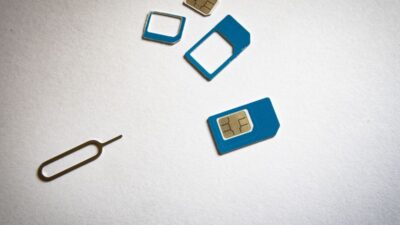
| Nano SIM | 12.3 × 8.8 × 0.67 mm | Physical | 4FF | 64-256 KB |
| eSIM | 6 × 5 × 1 mm | Soldered internally | MFF2 | Up to 512 KB |
Based on Functionality
What is a SIM card, and what are the different types? There are three types based on their functions:
- Voice calls: Calls, SMS, and the Internet are possible
- Data communication: Only internet use is possible
- Data communication + SMS: SMS and Internet use are possible
5. Where You Can Get a SIM Card?
Having understood what is a SIM card, do you know there are several ways to get one, even for free?
Buying from a Carrier
The traditional option is to acquire a SIM card and a compatible cellphone plan from a carrier.
You can easily do so by visiting a carrier store, authorized retailer, or online shop. The SIM card is then inserted into your device to connect to the carrier’s network.
Using eSIM Activation
Nowadays, many modern smartphones support eSIM technology, allowing users to activate a mobile plan without a physical card.
With eSIM activation, simply scan a QR code, download a carrier profile, or follow the carrier’s app instructions to connect to the network.
This option offers greater convenience, especially if you want to switch carriers without replacing a physical SIM.
Free SIM Card Programs for Eligible Users
SIM cards are essential for both everyday communication and hassle-free international travel.
Luckily, the Lifeline program and participating providers assist qualified low-income individuals seeking practical mobile access without the financial burden of purchasing a pricey smartphone and SIM card outright.
To qualify for the support, you generally need to meet the household income requirement or have participated in qualification programs.
As an approved Lifeline service provider, Cintex Wireless offers you a low-cost or free smartphone, as well as a free SIM kit or eSIM with unlimited talk, text, and generous data.
Especially, Cintex is merging with AirTalk Wireless, providing a seamless application process.
To apply, simply check service availability, complete an online application, and submit any supporting documents requested by your state.
Note: Eligibility varies by state and program. Offers depend on availability and qualifications. Cintex and AirTalk Wireless operate under the federal Lifeline Program as Eligible Telecommunications Carriers (ETCs). Service is non-transferable and limited to one service per household.
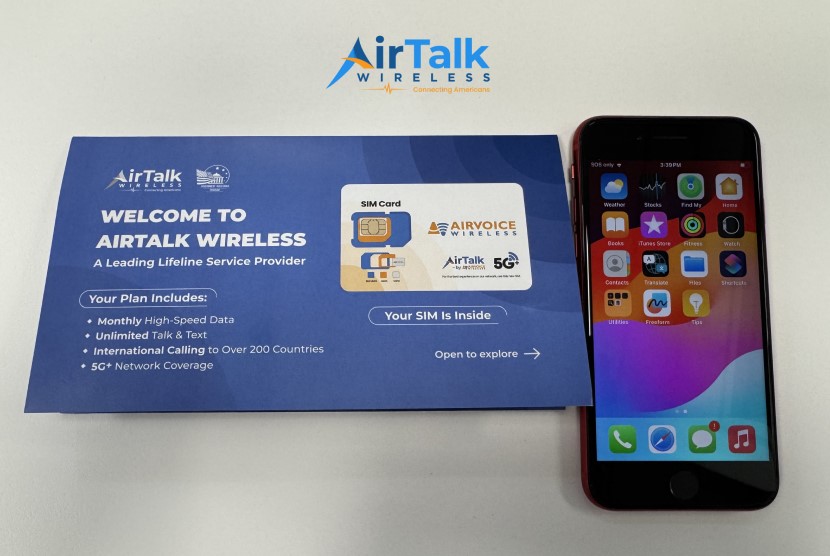
The following are some of the best discounted and free device options you may claim by qualifying for Lifeline through AirTalk Wireless (may vary depending on area, availability, and timing of application):
IMPORTANT: The government does not subsidize devices. Lifeline programs cover basic service costs only. Free or discounted devices, upgrade plans, or top-ups are exclusive benefits provided by Cintex Wireless as part of our promotional offers. Terms and conditions apply. Limited-time promotion—offers vary by state, stock availability, and eligibility.
Frequently Asked Questions
Can a phone still work without a SIM card?
Yes, many smartphones can continue to work normally in a variety of ways even without an active SIM card. Some people can still access the internet, watch videos, and use social media applications.
What happens if you take out your SIM card and put it in another phone?
If both devices are from the same carrier, your new phone should identify the SIM card, and you’ll be back in business quickly.
However, if you move to a phone from a different carrier, the new phone may not recognize your SIM card, leaving you in a signal-free desert.
Can I use the same SIM card in a new phone?
Yes, you may usually use your current SIM card in a new phone if it is unlocked and has the same physical SIM size.
Conclusion
To conclude, what is a SIM card? It is much more than a small piece of plastic; it is the vital digital identification that connects your device to a worldwide mobile network. A SIM card allows you to easily access phone, text, and data services because it securely stores your unique subscriber information.