Using multiple mobile plans has become much easier with eSIM technology. You might have one line for work, another for personal use, and a travel eSIM ready for your next trip. Before adding another profile, though, it’s natural to wonder whether your phone has a limit.
If you’re searching for how many eSIMs can I have, this guide explains the limits, how they differ across devices, and the best way to manage multiple eSIMs.
1. How Many eSIMs Can You Actually Have?
There is no universal limit because stored and active eSIMs depend on the phone model.
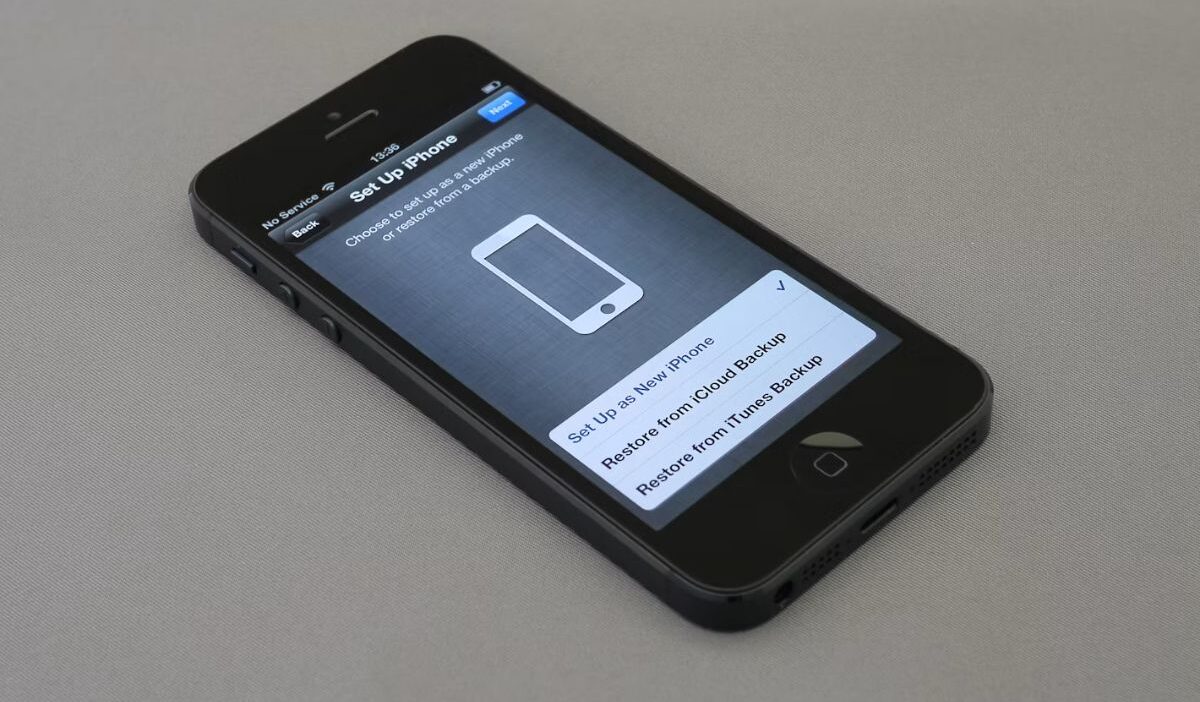
Supported iPhones can store eight or more eSIM profiles. However, only one or two lines can be active at the same time, depending on the iPhone generation.
Android limits vary more widely. Many Samsung Galaxy and Google Pixel phones can store multiple eSIM profiles, but manufacturers do not publish one storage limit that applies to every model. Most compatible devices allow no more than two active cellular lines.
When asking how many eSIMs can I have, check both limits:
- How many eSIM profiles the phone can store
- How many cellular lines it can keep active simultaneously
2. Stored eSIMs vs Active eSIMs: What’s the Difference?
If you’re wondering how many eSIMs can I have, it’s helpful to understand that these two terms describe different things, even though they’re often confused.
| Stored eSIMs | Active eSIMs |
| Saved on your phone for future use | Currently connected to the mobile network |
| Can include old carriers or travel plans | Used for calls, texts, or mobile data |
| Usually several profiles can be stored | Limited by device hardware and software |
| Can be activated later if still valid | Typically one or two lines depending on the phone |
On supported iPhones, eight or more eSIM profiles can be stored even though only one or two lines can be active. Samsung Galaxy, Google Pixel, and other Android devices may also store multiple profiles, but their exact limits vary by model, region, and available eSIM storage.
When researching how many eSIMs can I have, do not assume that the storage limit and active-line limit are the same.
>>> Read more: Free eSIM Trial Unlimited Data: Everything You Need to Know
3. How Many eSIMs Can Different Phones Handle?
The answer to how many eSIMs can I have depends on your device. Different manufacturers support different numbers of stored and active eSIM profiles, even though the overall eSIM experience is similar.
iPhone
Supported iPhones can store eight or more eSIM profiles.
iPhone 13 models and later can use two active eSIMs simultaneously. Earlier eSIM-compatible models, including the iPhone XS through iPhone 12 series and the iPhone SE models, generally support one active eSIM together with one physical nano-SIM.
The available SIM configuration can also vary by purchase region.
Samsung Galaxy
Many Galaxy S, Z Fold, and Z Flip models support eSIM, but their active-line configurations differ.
Depending on the model and region, a Galaxy phone may support:
- One physical SIM and one eSIM
- Two physical SIMs
- Two active eSIMs on select models
Do not assume that every eSIM-compatible Galaxy phone can activate two eSIM profiles simultaneously. Check the exact model specifications and SIM Manager options.
Google Pixel
Google Pixel 7, Pixel 7 Pro, and later models can use two eSIM profiles at the same time when the carrier supports the feature.
Depending on the Pixel model and carrier, the phone may use either two eSIMs or one physical SIM with one eSIM. Earlier Pixel models may have more limited Dual SIM configurations.
Other Android brands
Manufacturers such as Motorola, Xiaomi, Oppo, Honor, and others have gradually expanded eSIM support. However, the number of stored profiles and active lines varies significantly, so checking the manufacturer’s specifications before relying on multiple eSIMs is always recommended.
4. What Limits the Number of eSIMs You Can Use?
If you’re wondering how many eSIMs can I have, keep in mind that phone compatibility is only part of the answer. Several other factors determine how many eSIM profiles you can store or activate.
- Device hardware: The eSIM chip has limits that vary by manufacturer.
- eSIM storage capacity: Some phones can save more profiles than others.
- Operating system: Software updates may improve eSIM management or Dual SIM features.
- Carrier support: Not every carrier allows multiple active eSIM lines on every device.
- Dual SIM capability: Some phones support two active lines, while others allow only one active eSIM.
- Region-specific models: Certain regional versions may have different SIM configurations because of local regulations or hardware differences.
These factors work together, so two phones with similar specifications may still behave differently.
5. Managing Multiple eSIM Profiles
After learning how many eSIMs can I have, keeping your eSIM profiles organized makes them much easier to manage, especially if you travel often or use multiple carriers.
- Rename each eSIM using labels like Work, Travel, or Personal.
- Disable an eSIM instead of deleting it if you expect to use it again.
- Remove expired travel eSIMs that you’ll never reactivate.
- Keep your primary phone number active whenever possible.
- Keep your carrier account details and activation emails, but do not assume an old QR code can be reused.
Confirm you no longer need a profile before deleting it, since some providers require a new activation code afterward.
Managing profiles carefully is often more important than simply knowing how many eSIMs can I have, because good organization helps you avoid unnecessary reactivations and keeps your preferred lines ready whenever you need them.
>>> Read more: How to Get Free eSIM Service Government iPhone (Step-by-Step Guide)
6. Need an eSIM Plan? Compare Your Mobile Service Options
Knowing how many eSIMs your phone can store is only part of the decision. If you’re planning to add another mobile line, switch carriers, or activate service on a compatible device, it’s also worth comparing service plans and providers before getting started.
For eligible households, the Lifeline program may be worth considering. It is a federal assistance program that helps lower the cost of qualifying phone service or internet service by offering a monthly discount through approved Eligible Telecommunications Carriers (ETCs).
Participating carriers apply the Lifeline discount directly to your monthly plan, and for many eligible customers, that discount covers the entire cost, bringing the bill down to $0.
The eligibility includes two pathways; satisfying either of them can help you access the Lifeline benefit: meeting the household’s income limit or participation in qualifying programs like Section 8 Housing Voucher, SSI, SNAP, etc.
This also means that you should apply to ETCs, not the program directly, to enjoy the benefit to the fullest.
And Cintex Wireless is one of the aforementioned ETCs; the carrier is known for its simple application process.
What’s more is that the carrier is now merged with AirTalk Wireless, another reputable ETC in the industry, to offer broader device options and a more streamlined application with a more dedicated support system.
The application process can be as follows:
- Visit the carrier website and enter the ZIP code to confirm service availability
- View and choose the service plan and device that suit your needs. Do note that device availability will depend on the carrier’s stock at the time you apply.
- Provide essential information and upload documents if required.
- Submit and wait for the result. Once approved, you will receive the device delivered to your address.
DISCLAIMER: The government does not cover device costs, only basic service through Lifeline. Any free or discounted devices, upgrades, or top-ups are limited-time Cintex Wireless and AirTalk Wireless offers and may vary by state, eligibility, and availability. Terms and conditions apply.
7. FAQs
Is there a limit to how many eSIMs I can have?
Yes. Supported iPhones can store eight or more eSIMs, while Android storage limits vary by model. Most phones allow only one or two active cellular lines at a time.
Does deleting an eSIM free up space?
Yes. Removing an unused eSIM profile frees storage for another profile on your device. However, if you plan to use that mobile line again, check your carrier’s reactivation policy before deleting it.
Can you have two eSIMs at the same time?
Yes, on supported devices. iPhone 13 models and later, Pixel 7 models and later, and select Galaxy phones can use two active eSIMs, subject to carrier and regional support.
Can I use 3 eSIM at the same time?
No, not on current mainstream iPhone, Samsung Galaxy, or Google Pixel phones. They support a maximum of two active cellular lines, while additional eSIMs remain stored and inactive.
Is it better to disable or delete an eSIM?
Disabling is usually better if you may use the line again. Delete the eSIM only when you no longer need it or after confirming how the carrier handles reactivation.
Conclusion
Managing several mobile plans becomes much easier once you understand the difference between storing an eSIM and keeping it active. A phone may hold multiple profiles, but only one or two lines can usually connect at the same time.
So, when considering how many eSIMs can I have, the better question is how many you actually need ready for everyday use. Checking your device, carrier, and regional limits first can help you stay organized and avoid deleting a profile you may want again later.