Dual SIM phone technology makes it possible to manage two mobile lines without carrying two separate devices. That can be useful for keeping work and personal calls apart, combining carriers for broader coverage, or adding a local data plan while traveling.
However, not every setup works the same way, and features can vary by phone model, carrier, and SIM configuration.
This guide explains how Dual SIM works, where it offers the most value, and which limitations to consider before using a second line.
1. What Is a Dual SIM Phone?
A dual SIM phone is a smartphone that supports two separate mobile connections at the same time. Instead of using only one phone number, you can keep two numbers active on a single device.
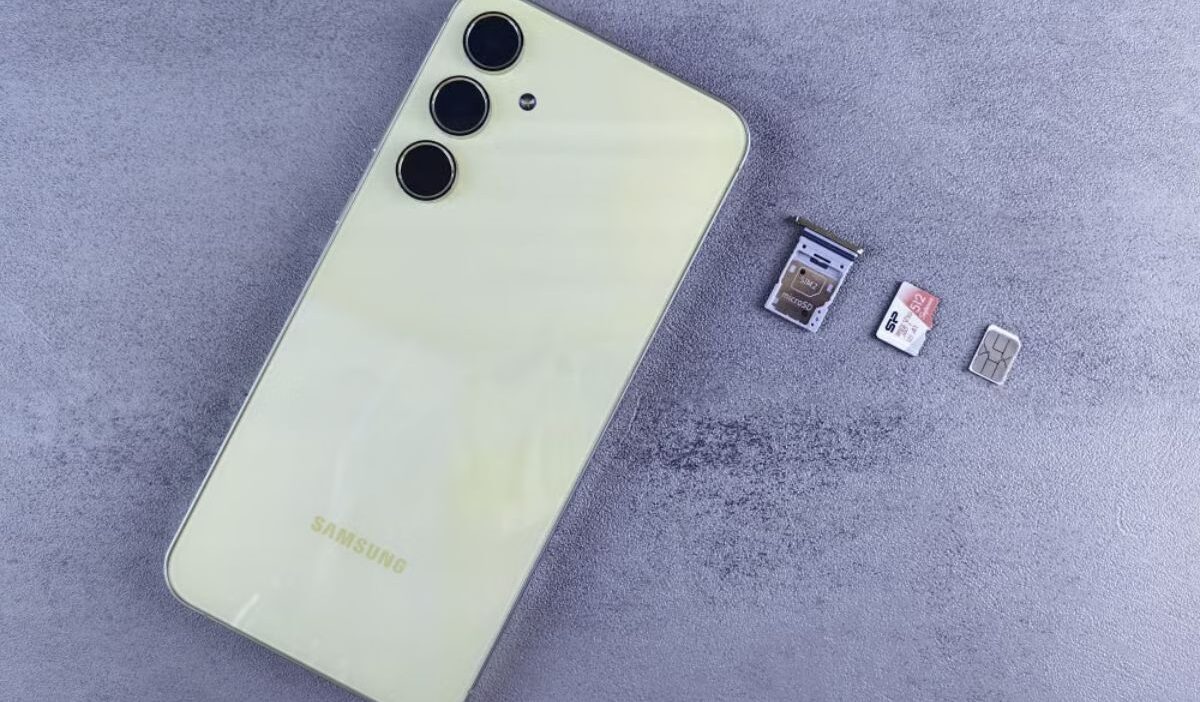
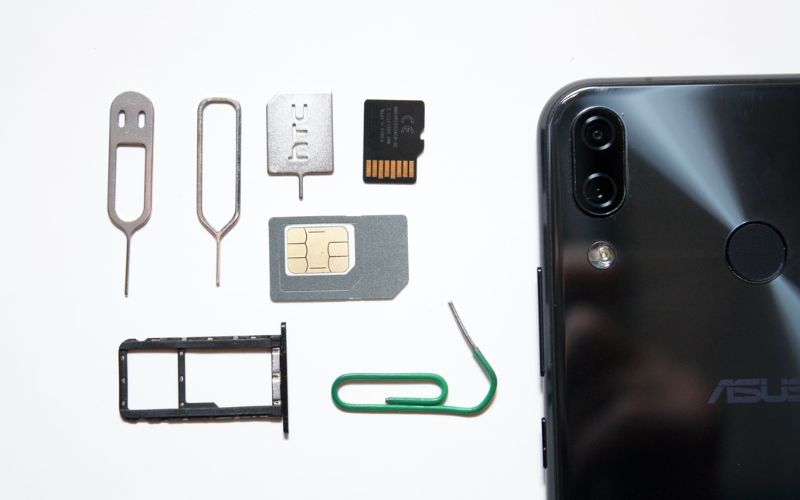
Modern dual SIM phones generally support one of these configurations:
- Two physical SIM cards
- One physical SIM and one eSIM
- Two eSIM profiles (on supported devices)
These configurations are not available on every model. Some phones can also store several eSIM profiles but allow only one or two to remain active at a time.
Most devices use Dual SIM Dual Standby, or DSDS. This means both lines can generally receive calls and messages while the phone is idle, but they do not necessarily maintain two active voice calls at once.
2. Why People Choose Dual SIM
The biggest advantage of a dual SIM phone is flexibility. Instead of trying to make one mobile plan fit every situation, you can assign each SIM a different purpose.
- Separate work and personal numbers
Keeping both numbers on one device can make business and personal communication easier to organize. You can label each line, choose which one to use for outgoing calls, and turn off or silence the work line when it is not needed.
- Use different carriers
Combining two networks can provide another option when one has weak coverage. To use different providers, the phone must be unlocked and compatible with both networks.
- Choose Separate Voice and Data Plans
One line may offer better calling rates, while another provides a more suitable data allowance. This setup can reduce costs when the combined price is lower than relying on one plan for everything.
- Add a Travel Line
When traveling, you can use a local SIM or travel eSIM for data while leaving your regular line enabled for important calls or messages.
Check roaming settings before departure. Your home carrier may still charge for calls, data, or other activity, and receiving verification messages abroad depends on the carrier and destination.
- Keep a Backup Network Available
A second carrier can be useful when the first network has limited coverage. The phone does not combine the signal strength of both SIMs, but it lets you switch to the line that performs better.
>>> Read more: Does iPhone 11 Have eSIM? Dual SIM and Activation Guide
3. How Dual SIM Works in Everyday Use
Owning a dual SIM phone isn’t complicated once you understand how each function works.
Receiving calls and messages
Both lines can generally receive calls and messages while the phone is idle. The screen usually identifies whether an incoming communication is for the personal, business, travel, or other labeled line.
During an active call, the second line may become temporarily unavailable. Some phones and carriers can keep it reachable through Wi-Fi Calling, backup calling, call forwarding, or cellular data switching.
Choosing mobile data
Most dual SIM phones use one cellular data network at a time. You can select the preferred data line in Settings and switch whenever your needs change.
Some models provide automatic data switching when the feature is enabled, but the availability and behavior vary by device and carrier.
Managing two numbers
Most smartphones clearly label each SIM
You can choose:
- The default line for calls
- The number used for text messages
- The preferred mobile-data plan
- Which line to use for individual contacts
Most smartphones today use Dual SIM Dual Standby (DSDS) technology. This means both SIMs remain on standby and can receive incoming calls.
This is different from older Dual SIM Active (DSA) systems, which included separate radio hardware for both SIMs and allowed simultaneous active connections.
4. Disadvantages of Dual SIM Mobile Phones
While a dual SIM phone offers plenty of flexibility, it’s also important to understand the disadvantages of dual SIM mobile phones before deciding.
- Battery Use May Increase
Maintaining two network connections can use more power than running one line, especially when coverage is weak and the phone repeatedly searches for a signal. The actual impact varies by device and network conditions.
- Settings Can Become Confusing
You need to choose which line handles calls, messages, and mobile data. Until the numbers are clearly labeled, it is easy to call someone from the wrong line or use data from a more expensive plan.
- Only One Data Line Is Usually Used at a Time
Both SIMs can remain enabled, but most devices rely on one cellular data connection at a time. Changing the preferred line is usually simple, although automatic switching is not supported in every setup.
- Carrier and Device Restrictions May Apply
A carrier-locked phone may prevent you from adding a plan from another provider. The second network must also support the phone’s frequencies, regional model, and physical SIM or eSIM configuration.
- eSIM Transfers Depend on Support
Some modern phones offer built-in eSIM transfer tools. In other cases, you may need a new QR code, carrier approval, or assistance from customer support. The available method depends on both devices and the provider.
- Some Apps Support Only One Registered Number
Certain messaging and financial apps allow only one phone number per account or installation. Using both lines may require a second profile, an app-cloning feature, or a separate account where supported.
- The Second Line May Miss Calls During Another Call
One of the main disadvantages of dual SIM mobile phones is DSDS call behavior. While one SIM is handling a call, an incoming call to the other may go to voicemail or appear unavailable unless Wi-Fi Calling, backup calling, or another supported feature keeps it connected.
>>> Read more: Pixel 6 eSIM: Activation, Dual SIM, and $0 Services Guide
5. Is a Dual SIM Phone Right for You?
A dual SIM phone isn’t necessary for everyone, but it’s extremely useful in certain situations.
- Traveler
A local SIM for affordable data combined with your home SIM for calls and verification codes makes international travel much easier.
- Student
Students can separate school activities from personal communication or take advantage of lower-cost student data plans when available.
- Business user
Using one device for both work and personal life helps reduce clutter while keeping communication organized.
- Family
Parents sometimes dedicate one number to family communication while using another for work or online services.
- Single carrier user
If you only use one mobile plan, rarely travel, and have reliable coverage everywhere you go, a second SIM may provide little practical benefit. In that case, a standard smartphone may be all you need.
6. Your Second SIM Can Be Flexible, but Your Main Line Should Be Reliable
A second SIM can change as your needs change, but the number connected to essential calls and accounts often needs more stability. Keeping that line active can become easier when the monthly service fits your budget.
Lifeline is a federal assistance program that lowers the cost of qualifying phone or internet service for eligible households.
More specifically, the program provides eligible households with a monthly discount of up to $9.25 on the wireless service. Subscribers living on qualifying Tribal lands may receive an enhanced benefit of up to $34.25 per month.
Qualification is generally based on income or participation in an approved assistance program.
The benefit reaches customers through participating Eligible Telecommunications Carriers, or ETCs, which apply the discount to qualifying plans.
Lifeline generally allows one benefit per household, and it is non-transferable, so an additional line in a dual-SIM phone would need its own separate service arrangement.
Cintex Wireless is one of the participating providers through which eligible applicants can access Lifeline-supported wireless service. Depending on location and availability, benefits may include:
- Device offers from popular brands
- A generous monthly data allowance
- Talk and text service
- International calling to select regions
- No contract, credit check, or activation fee
The carrier is merging with AirTalk Wireless, another established Lifeline provider.
The providers describe the transition as a way to bring account management under a more unified system and expand access to available service features and device options.
Before adding the line to a dual-SIM phone, confirm that the device is unlocked, supports the required SIM or eSIM format, and works with the provider’s network.
Available plans, devices, data allowances, and promotional offers vary by location, eligibility, coverage, and inventory.
IMPORTANT: The government does not subsidize devices. Lifeline programs cover basic service costs only. Free or discounted devices, upgrade plans, or top-ups are exclusive benefits provided by Cintex and AirTalk Wireless as part of the promotional offers. Terms and conditions apply. Limited-time promotion—offers vary by state, stock availability, and eligibility.
7. FAQs
Can I use two different carriers on one phone?
Yes. Most unlocked dual SIM phones support two different carriers, provided the device is compatible with both networks.
Does using two SIMs drain the battery faster?
Slightly. Because the phone maintains connections to two mobile networks, battery usage is generally a little higher than with a single SIM, though the impact is usually modest.
Can both SIMs receive calls at the same time?
With most dual SIM phones using Dual SIM Dual Standby (DSDS), both SIMs can receive calls while the phone is idle. However, if you’re already on a call using one SIM, the other SIM may temporarily be unavailable, depending on your device, carrier, and call settings.
Conclusion
Using two mobile lines on one device can simplify work, travel, and everyday communication, but the experience depends on choosing the right setup.
Before buying or activating a dual SIM phone, check whether it is unlocked, which physical SIM and eSIM combinations it supports, and how it handles calls and data across both lines.
Understanding these details helps you enjoy the flexibility of Dual SIM while avoiding missed calls, unexpected roaming fees, or compatibility problems.