How does a dual SIM phone work? It lets you manage two mobile lines on one device, so you do not have to carry separate phones for work and personal calls. This setup can also make it easier to use one carrier for everyday service and another for travel, data, or backup coverage.
Still, using two SIMs can raise a few questions. Can both numbers receive calls? Which line uses mobile data? What happens when someone calls the second number while you are already on the first? The sections below explain how calls, texts, and data work across both lines so you can manage your dual-SIM setup with confidence.
1. How Does a Dual SIM Phone Actually Work?
The simplest answer to how does a dual SIM phone work is that the phone manages two active mobile lines on one device.
Each SIM, whether it is a physical SIM or an eSIM, is connected to its own mobile line and usually has its own phone number and service subscription. Both lines may use the same carrier or different carriers. Your phone lets you choose which line to use for calls, texts, and mobile data.
Most dual SIM phones use Dual SIM Dual Standby, or DSDS. This means both lines remain available while the phone is idle.
However, what happens during an active call depends on the phone model, carrier support, and features such as Wi-Fi Calling or automatic data switching.
2. What You Can Do With Two SIMs
Once you understand how does a dual SIM phone work, it becomes easier to see why so many people use this feature every day.
- Keep two phone numbers
You can use two separate phone numbers on the same device without carrying two phones.
- Separate work and personal calls
Many people dedicate one SIM to work and the other to family and friends, making it easier to keep business and personal communication organized.
- Assign one SIM to handle calls and the other for mobile data
Some users choose a plan with inexpensive voice service on one SIM while using another SIM with a larger data allowance for internet access.
- Travel without removing your primary SIM
When traveling internationally, you can keep your home SIM active for important calls while adding a local SIM or eSIM for affordable data. This is one of the biggest advantages people discover after learning how does a dual SIM phone work.
- Manage different carriers
Coverage isn’t always the same everywhere. Using two carriers lets you switch between networks when one offers better coverage or pricing in your area.
>>> Read more: How Many eSIMs Can I Have? Device Limits Explained
3. What Happens During Calls, Texts, and Mobile Data?
Understanding how does a dual SIM phone work also means knowing how each SIM behaves during everyday use.
Calls
Most Android and iPhone dual SIM devices keep both numbers available while the phone is idle.
On many DSDS phones, starting a call on one SIM temporarily makes the other line unavailable. Calls to the second number may go to voicemail until the first call ends.
However, some newer phones can receive or place a call on the second line while the first call is active. This may require carrier support, Wi-Fi Calling, and automatic data switching. Check your phone and carrier settings to confirm what is available.
Texts
Both SIMs can normally receive SMS messages while the phone is in standby. When sending a new message, your phone may let you choose the line or remember the SIM previously used for that contact.
If one SIM becomes unavailable during a call on the other line, messages to that number may arrive after the line reconnects.
Mobile Data
Mobile data is normally assigned to one SIM at a time. You can select the preferred data line in the phone’s SIM settings.
Some phones also offer automatic data switching. When enabled and supported by the carrier, the device may temporarily use the other SIM for data during a call or when the preferred line has poor service.
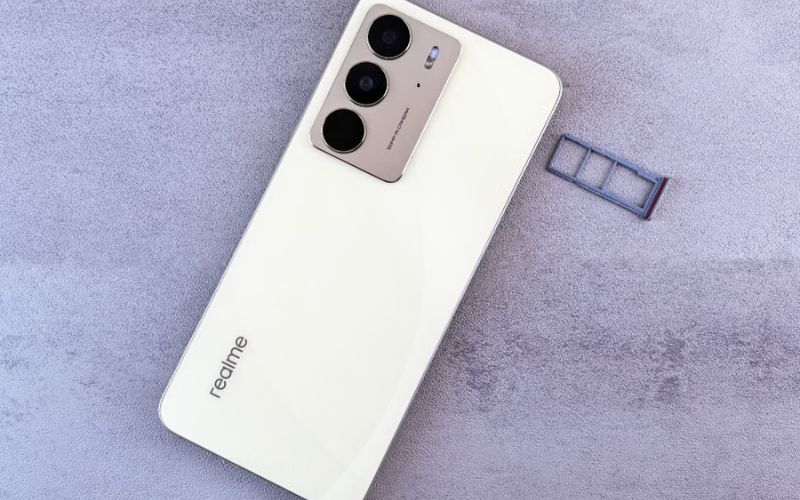
4. Dual Physical SIM vs. SIM + eSIM
If you’re researching how does a dual SIM phone work, you’ll probably encounter several different dual SIM configurations.
| Configuration | How It Works | Best For |
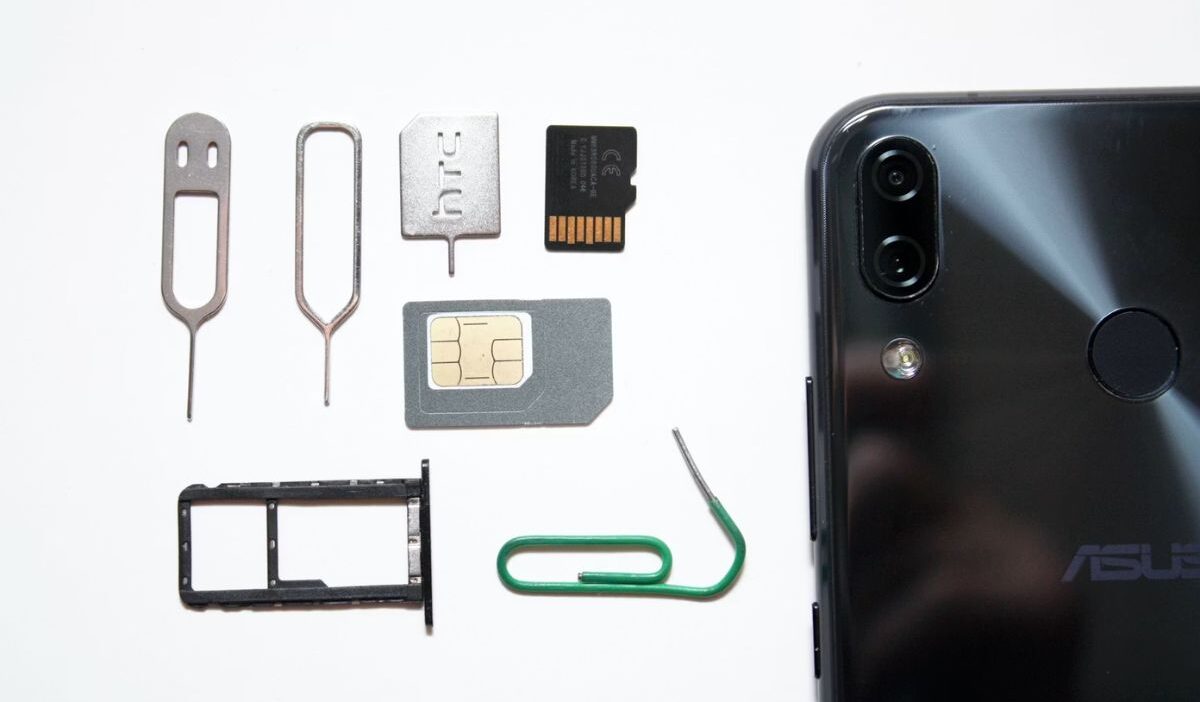
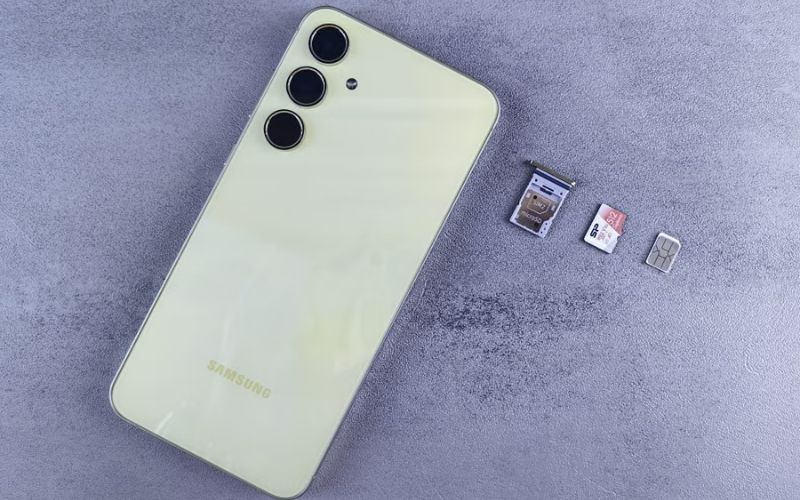
| Two Physical SIMs | Two Nano SIM cards are inserted into a supported dual-SIM tray. | Users who prefer removable SIM cards or frequently switch physical lines |
| Physical SIM + eSIM | One removable SIM and one digital eSIM can remain active together on supported models. | Travelers and users who want to add another line without removing their main SIM |
| Two Active eSIMs | Select phones can use two downloaded eSIM profiles at the same time. | Users managing multiple digital plans |
| Multiple Stored eSIM Profiles | The phone can store several profiles, but only the supported number can remain active at once. | Frequent travelers who switch between regional plans |
Dual-SIM and eSIM support can vary by model, regional version, carrier, and software. Check the exact phone specifications before choosing a plan.
>>> Read more: Can a Phone Work Without a SIM Card? What You Can Still Do
5. One Line for Daily Use? Keep That Connection Affordable
Using two SIMs gives you more flexibility, but it can also mean managing two separate service costs. Many users keep one line for everyday calls, texts, and data while using the second for work, travel, or backup coverage.
If your primary line is the one you rely on most, Lifeline may help reduce its monthly cost.
Eligible households can receive up to $9.25 per month, or up to $34.25 per month on qualifying Tribal lands, toward phone service or internet service.
Eligibility is based on income or participation in other qualifying programs like SNAP, SSI, Section 8, etc.
Note: Eligibility varies by state and program. Service is non-transferable and limited to one service per household.
The discount is provided through approved Eligible Telecommunications Carriers such as Cintex Wireless.
This carrier offers Lifeline-supported wireless service along with a free device in eligible areas, with available plans and devices depending on location, qualification, and current inventory.
Notably, the carrier is merging with AirTalk Wireless, allowing applicants to access broader device options and a more straightforward application process
DISCLAIMER: The government does not cover device costs, only basic service through Lifeline. Any free or discounted devices, upgrades, or top-ups are limited-time Cintex Wireless and AirTalk Wireless offers and may vary by state, eligibility, and availability. Terms and conditions apply.
6. FAQs
Can both SIM cards receive calls at the same time?
Both lines can receive calls while the phone is idle. During a call, the second line may become unavailable unless the phone and carrier support features such as Wi-Fi Calling or dual active calling.
Can I use mobile data on both SIM cards at once?
Usually, only one SIM uses mobile data at a time. You can switch the preferred data line in Settings, and some phones support automatic data switching.
Does a dual SIM phone use more battery?
Yes, it may use slightly more battery because the phone maintains two network connections. Battery drain can be higher when one SIM has weak signal.
Can I use one physical SIM and one eSIM together?
Yes, many newer phones support one physical SIM and one active eSIM. Compatibility depends on the phone model, regional version, carrier, and software.
Conclusion
Managing two mobile lines can seem complicated at first, especially when calls, texts, and data behave differently on each SIM.
Once you understand how does a dual SIM phone work, the setup becomes much easier to control. You can keep work and personal communication separate, use a second carrier for travel or backup coverage, and choose which line handles mobile data based on what fits your routine best.