
Rhode Island Medicaid provides free or low-cost healthcare coverage to eligible children, adults, pregnant women, older adults, people with disabilities, and other qualifying residents.
However, eligibility and benefits vary by coverage group. From RIte Care to Medicaid Expansion and long-term services, understanding the available programs makes it easier to determine where you may fit and how to apply.
1. What is Rhode Island Medicaid Program?
Rhode Island Medicaid is the state’s Medicaid program, administered by the Rhode Island Executive Office of Health and Human Services.
If you are wondering what is the name of Medicaid in Rhode Island, there is no single, separate brand name for the entire program.
“Rhode Island Medicaid” is the broad program, while names such as RIte Care refer to specific coverage arrangements within it.
For people specifically seeking long-term care, what are the different types of Medicaid in Rhode Island? They are commonly divided into three major pathways:
- Institutional / Nursing Home Medicaid: Helps eligible people who require nursing-home-level care pay for institutional long-term care.
- Medicaid Waivers / Home and Community-Based Services (HCBS): Provides eligible people with long-term services at home or in community settings rather than a nursing facility.
- Regular Medicaid / Elders and Adults with Disabilities (EAD): Provides healthcare coverage for qualifying older adults and adults with disabilities who do not necessarily need institutional care.

2. Main Medicaid Coverage Groups and Programs in Rhode Island
Rhode Island uses several Medicaid pathways based on age, income, disability, family status, and healthcare needs.
RIte Care
RIte Care is Rhode Island’s Medicaid managed care program for families with children, pregnant women, and children under age 19.
Eligible families choose among participating managed care plans, and eligibility largely depends on household size and income.
Medicaid Expansion
Medicaid Expansion covers qualifying Rhode Island residents generally between ages 19 and 64 who are not pregnant and do not qualify for certain other Medicaid programs or Medicare.
Medicaid Expansion generally covers eligible adults ages 19–64 with income up to 133% of the Federal Poverty Level, which effectively becomes about 138% FPL after the standard 5% MAGI disregard.
Older Adults and People with Disabilities
Older residents and adults with disabilities may qualify through EAD or other disability-related pathways.
For example, Rhode Island also operates Medicaid programs for working people with disabilities, including Ticket to Work and the Sherlock Plan, each with its own eligibility rules.
Rhode Island’s current 2026 page says:
- Ticket to Work: ages 16–64, no income limit, no asset limit
- Sherlock Plan: age 65+, 250% FPL income limit, $10,000 individual / $20,000 couple asset limit.
Long-Term Services and Supports (LTSS)
Medicaid LTSS supports people with chronic illnesses or disabilities who meet both financial requirements and a functional level-of-care standard.
Services may be delivered in nursing facilities, at home, or in community settings, depending on the person’s assessed needs.
Medically Needy pathways
Some people whose income is above the ordinary limit may qualify through a medically needy pathway by applying qualifying medical expenses toward a spend-down.
Rhode Island makes this pathway available to certain elders and adults with disabilities, among other qualifying groups.
Foster Youth and Special Eligibility Groups
Rhode Island also provides Medicaid pathways for certain foster and former foster youth.
State rules provide continued Medicaid eligibility up to age 26 for qualifying former foster youth who meet the applicable residency and program requirements.
>>>Read more: What Is the Income Limit for Medicaid in 2026? Verify NOW
3. What Does Medicaid Cover in Rhode Island?
Covered services depend on the eligibility group and delivery system. Rhode Island Medicaid does not have just three “types.” Instead, it has several eligibility pathways and delivery programs based on age, income, disability, pregnancy, family status, and long-term-care needs.
Major examples include RIte Care, Medicaid Expansion, coverage for elders and adults with disabilities, medically needy pathways, Ticket to Work, the Sherlock Plan, and Medicaid LTSS.
RIte Care, for example, lists physician visits, prescriptions, laboratory testing, mental health care, substance-use treatment, specialist care, hospital services, and emergency care among its covered benefits.
Other Medicaid benefits may include:
- Preventive and primary care
- Hospital and emergency services
- Prescription drugs
- Laboratory and diagnostic services
- Behavioral health treatment
- Specialist visits
- Dental services
- Maternity and pregnancy-related care
- Long-term services and supports
- Home and community-based care
The exact benefit package can vary by coverage group and health plan, so members should check their Medicaid plan materials before receiving non-emergency care.
4. Who Qualifies for Rhode Island Medicaid Program?
Eligibility depends on factors such as Rhode Island residency, household size, age, pregnancy, disability, income, and the particular Medicaid pathway.
Because of that, there is no universal answer regarding what is the maximum income to qualify for Medicaid in Rhode Island?
For instance, Rhode Island currently lists the Medicaid Expansion income threshold for qualifying adults at 133% of the Federal Poverty Level.
RIte Care uses different thresholds: parents with children under 18 may qualify up to 133% FPL, pregnant women up to 253% FPL, and children under 19 up to 261% FPL.
Long-term-care rules are different again.
Rhode Island’s LTSS pathways can use limits tied to the SSI benefit rate, and some medically needy pathways may allow eligibility above the standard income threshold.
Because LTSS financial rules are more complex than ordinary Medicaid, applicants should use Rhode Island DHS or EOHHS rules for the current limit rather than relying on a single statewide dollar figure.
For many LTSS applicants, Rhode Island uses a $4,000 individual resource limit, although exceptions apply to some eligibility pathways, including certain ACA expansion adults.
Because the applicable limit depends on your category, applicants should use the current Rhode Island eligibility rules rather than relying on one statewide income figure.
5. How to Apply for Rhode Island Medicaid?
Rhode Island allows Medicaid applications online, by phone, and in person, with paper/mail options available for certain application types, including LTSS.
Before applying, gather information such as:
- Social Security numbers for household members applying
- Current household and income information
- Existing health insurance details
- Immigration documents, when applicable
- Identification and other supporting records, if requested
Applicants can complete the process through Rhode Island’s online health coverage system or receive help from HealthSource RI.
Enrollment assistance is also available through Navigators and Certified Application Counselors.
Long-term-care applicants have additional forms and must also establish the required level of care. Rhode Island directs LTSS applicants to complete the DHS Application for Assistance along with supplemental LTSS documents.
>>>Read more: Medicaid Recertification Forms: The Latest Guide To Renew Medicaid
6. Surprising Benefit That Rhode Island Medicaid Members May Also Qualify
Healthcare access often depends on having a reliable phone for appointments, pharmacies, insurance questions, and family communication.
Luckily, Rhode Island Medicaid members may qualify for Lifeline because Medicaid participation is an approved Lifeline eligibility pathway.
Lifeline is a federal assistance program that reduces the cost of a qualifying phone service or internet service. Eligibility is based on income or participation in qualifying assistance programs like Medicaid, SNAP, SSI, etc.
Eligible households can receive a standard monthly discount, and the program is limited to one Lifeline benefit per household.
To get a full benefit, applicants should enroll with Eligible Telecommunications Carriers (ETCs), who will handle the process of benefit-giving.
And in many cases, these carriers may offer more than just a Lifeline-supported service plan.
Cintex Wireless, which is merging with AirTalk Wireless, is one of those carriers that currently offers Lifeline service in Rhode Island, allowing eligible applicants to get promotional phone offers in addition to supported wireless service.
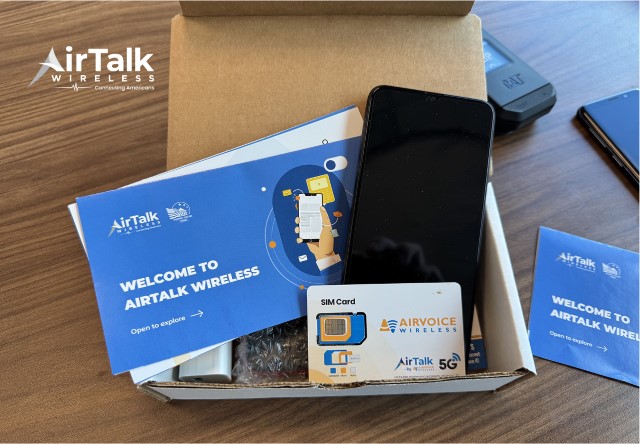
Device availability, pricing, and promotions depend on eligibility, location, and current inventory.
The application process generally involves:
- Enter your ZIP code to check service availability.
- Review available plans and device offers.
- Complete eligibility verification using Medicaid participation or another qualifying method. Provide supporting documents if automatic verification is unsuccessful.
- Submit the application and wait for approval.
Note: The government does not cover device costs, only basic service through Lifeline. Any free or discounted devices, upgrades, or top-ups are limited-time Cintex Wireless offers and may vary by state, eligibility, and availability. Terms and conditions apply.
Conclusion
Rhode Island Medicaid includes several coverage pathways rather than a single plan with one income limit.
RIte Care serves many families and children, Medicaid Expansion covers eligible adults, and separate programs support older adults, people with disabilities, and those who need long-term care.
Checking the rules for your specific eligibility group is the most reliable way to determine whether you qualify and what benefits are available in 2026.