A persistent toothache rarely gets better on its own. What starts as occasional sensitivity can quickly become severe pain that makes eating, drinking, or even sleeping difficult. When your dentist recommends a root canal, another question usually follows: Will Medicaid help pay for it?
If you’re wondering does Medicaid cover root canals, this guide explains when coverage may be available, what factors affect approval, and what costs you should be prepared for.
1. When Is a Root Canal Usually Needed?
Before answering does Medicaid cover root canals, it helps to understand why dentists recommend the procedure.
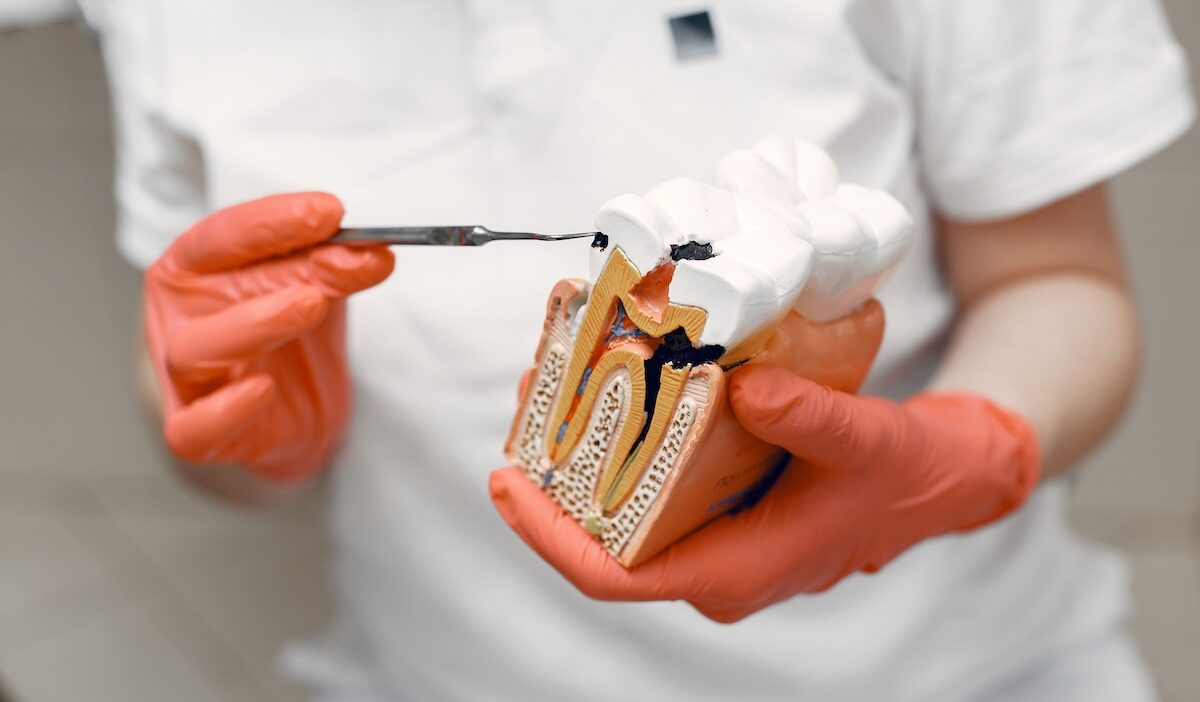
A root canal is typically needed when the soft tissue inside a tooth becomes infected or severely damaged because of deep decay, repeated dental work, or trauma. Instead of removing the tooth, the goal is to save your natural tooth whenever possible.
The procedure generally involves:
- Removing infected or damaged pulp
- Cleaning and sealing the inside of the tooth
- Restoring the tooth so it can function normally again
In many cases, a dental crown is placed afterward to strengthen and protect the treated tooth, especially if it supports heavy chewing.
Does Medicaid Cover Root Canals?
The short answer to does Medicaid cover root canals is sometimes.
Federal Medicaid rules require dental coverage for eligible children through the Early and Periodic Screening, Diagnostic, and Treatment (EPSDT) benefit. Adult dental benefits, however, are optional, meaning each state decides which procedures to cover.
As a result, does Medicaid cover root canals depends on:
- Your state’s Medicaid dental program
- Whether you’re an adult or a child
- The medical necessity of the procedure
- Whether your dentist participates in Medicaid
Within the same state, managed care plans may have different provider networks, authorization procedures, or administrative rules. However, plans generally must provide covered Medicaid services at least to the scope required by the state’s Medicaid program.

2. When Will Medicaid Pay for a Root Canal?
Several factors help determine does Medicaid cover root canals for your situation.
Medically necessary treatment
Medicaid is more likely to cover a root canal when it’s considered medically necessary rather than elective.
For example, treatment may be approved if it relieves pain, treats an active infection, or helps preserve a tooth that can reasonably be saved.
Your dentist may need to provide X-rays, examination findings, or other documentation supporting the need for treatment.
Children vs. adults
Children under 21 enrolled in Medicaid have broader dental protections through EPSDT.
If dental treatment is medically necessary to relieve pain or infection, restore teeth, or maintain dental health, the state must provide the necessary service even when the same treatment is not part of its adult dental benefit.
Adult coverage is a different story. States decide whether to offer adult dental benefits and how extensive those benefits are, so root canal coverage may be comprehensive in one state and restricted or unavailable in another.
>>> Read more: Free Phone And Tablet With Medicaid? Tips To Maximize Your Benefits
3. What Can Affect Whether Medicaid Covers a Root Canal?
Even if does Medicaid cover root canals is yes in your state, several details can affect whether your claim is approved.
- Your state’s Medicaid dental benefits
Every state establishes its own adult dental benefit package. Some offer comprehensive coverage, while others provide only emergency dental services.
- The tooth being treated
Some state Medicaid programs place tooth-specific limits on adult root canal coverage.
For example, certain programs may cover treatment for front teeth but restrict molar root canals, while other states cover a broader range of endodontic services.
Because these rules can be very specific, ask whether the exact tooth and procedure code your dentist plans to treat are covered.
- Prior authorization requirements
If does Medicaid cover root canals is your question, be aware that some state Medicaid programs or managed-care plans require prior authorization for root canal treatment.
Your dentist may need to submit X-rays, examination findings, or other documentation showing that the tooth meets the program’s coverage criteria.
- Your dentist must accept Medicaid
Coverage only helps if your dental provider participates in Medicaid. Before scheduling treatment, confirm that both the dentist and your specific Medicaid plan are accepted.

4. What Costs Might You Still Pay?
Even when researching does Medicaid cover root canals, remember that approval doesn’t always eliminate every expense.
Depending on your state and plan, you could still be responsible for:
- Services not covered by your Medicaid dental benefit
- A dental crown if your plan excludes it
- Additional restorative treatment
- Charges from dentists who don’t participate in Medicaid
Reviewing your benefits before treatment can help you understand whether any out-of-pocket costs are likely.
>>> Read more: Rhode Island Medicaid: Everything You Need To Know 2026
5. Looking for More Than Healthcare Coverage?
A root canal can make you look closely at what Medicaid covers, but healthcare is not the only monthly expense where your Medicaid participation may matter.
If you’re enrolled in Medicaid, you may also qualify for Lifeline, a government assistance program that offers eligible households a monthly discount on supported wireless service.
Medicaid participation is one qualifying pathway, while certain other assistance programs and household income can also establish eligibility.
Lifeline itself supports the service. The wireless provider handles the actual plan and any separate device promotions. The Lifeline support is limited to one benefit per household, and it is non-transferable.
Cintex Wireless, an Eligible Telecommunications Carrier, currently offers Lifeline-supported service with a free or discounted phone and a SIM kit or eSIM (depending on eligibility and current availability)
Cintex is now merged into AirTalk Wireless. The merger is intended to create a more unified service experience while adding features, customer support resources, and a broader range of available device options.
If Medicaid is already helping take some pressure off your healthcare budget, Lifeline may be another place to trim a recurring expense.
That can leave one less bill competing for attention while dental appointments, prescriptions, and everyday costs are already on the table
IMPORTANT: The government does not subsidize devices. Lifeline programs cover basic service costs only. Free or discounted devices, upgrade plans, or top-ups are exclusive benefits provided by Cintex Wireless and AirTalk Wireless as part of the promotional offers. Terms and conditions apply. Limited-time promotion—offers vary by state, stock availability, and eligibility.
6. FAQs
Does Medicaid cover dental crowns after a root canal?
Sometimes. Some state Medicaid programs cover crowns when they’re medically necessary, while others provide limited or no adult coverage. Check your state’s dental benefits before treatment.
Can I get a root canal with emergency Medicaid?
Possibly, but only if the dental condition meets the definition of an emergency medical condition and you otherwise qualify for Emergency Medicaid. A routine or planned root canal does not automatically qualify.
How do I know if my dentist accepts Medicaid?
You can search your state’s Medicaid provider directory, contact your managed care plan, or call the dental office directly to confirm participation.
Is tooth extraction covered if a root canal isn’t approved?
It may be. Some state Medicaid programs cover extractions even when adult root canal benefits are limited, but coverage depends on your state’s dental rules and the condition of the tooth.
Conclusion
Asking does Medicaid cover root canals can lead to very different answers depending on age and where you live. Children have broad dental protections under EPSDT, while adults have to work within the dental benefits their state chooses to provide.
For adults especially, the smallest details can matter, from which tooth needs treatment to whether a crown is covered afterward. Checking those pieces before the dentist starts drilling can keep a painful tooth from turning into a painful bill.