Need an oral surgeon that accepts Medicaid near you? While Medicaid may help cover certain medically necessary oral surgery services, finding a participating provider can sometimes be challenging.
This blog post will walk you through practical ways to locate Medicaid oral surgeons, check your eligibility, and maximize your benefits.
1. When Would You Need an Oral Surgeon?
Normally, you will need to see an oral surgeon once your dentist notices major problems. Here are several symptoms for which you should see an oral surgeon.
- Impacted teeth: Impacted or partially impacted teeth, especially wisdom teeth, can cause pain, pressure, swelling, or infection. An oral surgeon can assess the problem and determine whether extraction is necessary.
- Loose teeth: Unexplained tooth loosening may indicate problems with the supporting bone or surrounding tissues. An oral surgeon can evaluate your jawbone and discuss treatments such as extraction or dental implants.
- Breathing or sleep problems: Persistent snoring or sleep apnea symptoms may sometimes be related to the structure of the jaw or airway. If non-surgical treatments are ineffective, an oral surgeon may assess whether surgery could help.
- Jaw pain or misalignment: Jaw pain, an overbite, underbite, or other alignment problems may require specialist evaluation. An oral surgeon can determine whether orthodontic treatment, surgery, or a combination of treatments is appropriate.
- Oral infections: Pain or swelling in the mouth, jaw, face, or neck may indicate an infection requiring prompt treatment. An oral surgeon may drain the infection, remove an affected tooth, or recommend another appropriate procedure.
- Temporomandibular joint disorder (TMD): TMD can cause jaw discomfort, facial pain, headaches, and difficulty moving the jaw. When medications and other conservative treatments do not provide relief, surgical evaluation may be recommended.
- Tooth loss & structural repair: Oral surgeons extract nonsalvageable teeth and perform jaw reconstruction. While oral surgeons also place dental implants, note that Medicaid generally covers medically necessary extractions or prosthetics (like dentures) rather than elective implants.
2. Does Medicaid Cover Oral Surgery?
Medicaid coverage for oral surgery varies by state, age group, and medical necessity.
Federal regulations mandate that states offer full dental insurance to children, while adult dental coverage is voluntary and varies widely.
However, several states provide at least some oral surgery benefits for adults, particularly when treatment is medically necessary.
Does Medicaid Pay for Oral Surgeons?
The answer is yes. Medicaid may and frequently does pay for oral surgeons provided the treatment fulfills state requirements.
Nevertheless, whether Medicaid pays for oral surgeons is based on:
- Your state’s Medicaid dental care program
- Is the operation medically necessary?
- Is the provider enrolled in Medicaid?
What Oral Surgery Medicaid Usually Covers
If you can find an oral surgeon that accepts Medicaid, you can expect the following services:
- Medically necessary oral surgery: Medicaid commonly covers procedures needed to protect health or restore function, such as surgical extractions, infection treatment, abscess drainage, jaw fracture repair, and oral biopsies.
- Anesthesia and hospital services: Anesthesia and related hospital care may also be covered when oral surgery must be performed in a medical setting.
As mentioned earlier, Medicaid benefits vary by state, and some oral surgery procedures require prior authorization.
Thus, always confirm coverage with your Medicaid plan and provider before treatment.
>>>Read more: 10 Reasons For Medicaid Cancellation: Don’t Miss Your Medicaid Coverage!
3. Who is Eligible for Oral Surgery under Medicaid?
Before locating an oral surgeon that accepts Medicaid, you need to make sure you qualify for this program and meet the medical necessity.
General Medicaid Eligibility
Although Medicaid eligibility varies by state, coverage is generally available to certain low-income individuals, including:
- Adults aged 65 or older
- Pregnant women
- People with qualifying disabilities
- Individuals receiving treatment for breast or cervical cancer
- Infants born to mothers who were enrolled in Medicaid around the time of birth
Depending on the state, Medicaid may also be available to:
- Low-income parents and caregivers
- Adults under 65 who meet specific income limits
- People who qualify as medically needy because their income and medical expenses meet state requirements.
Medical Necessity and Oral Surgery Coverage
In addition to meeting your state’s general Medicaid eligibility requirements, qualifying for an oral surgeon that accepts Medicaid also requires meeting medical necessity criteria and falling within your state’s oral surgery coverage.
For example, surgery may be needed to treat an infection, relieve significant pain, address an impacted tooth, or restore essential oral function.
Because benefits and requirements vary by state and plan, patients should confirm coverage and any prior authorization requirements before treatment.
4. How to Locate an Oral Surgeon That Accepts Medicaid?
Finding an oral surgeon that accepts Medicaid is not always straightforward. Many clinics do not openly advertise their insurance coverage, and internet directories may not always be up to date.
- Search your state portal: Visit your state’s Medicaid or managed care plan portal and filter by Oral and Maxillofacial Surgery.
- Call member services: Use the phone number on the back of your Medicaid card to request a list of in-network oral surgeons near you.
- Request a dental referral: Ask your general dentist for a referral to a participating specialist, as many oral surgeons require a referral and prior authorization before scheduling.
- Explore safety-net providers: Community health centers, hospital outpatient departments, and university dental schools frequently accept Medicaid for surgical procedures.
>>>Read more: How To Find Optometrist That Accept Medicaid In 2026? Updated Guide
5. How Much Does It Cost to See an Oral Surgeon Without Insurance?
Oral surgery expenses can vary greatly depending on the treatment, location, materials utilized, surgeon experience, and anesthesia.
Without insurance, routine operations such as tooth extractions cost $100-$500, wisdom teeth removal $300-$2,500, and dental implants $2,000-$3,500 per tooth.
Meanwhile, major operations, such as corrective jaw surgery, can cost between $20,000 and $40,000.
Pre- and post-operative care, medications, facility fees, and potential income loss during recuperation are all important considerations.
As insurance may cover some or all of the costs, especially if procedures affect overall health, it’s better to check both dental and medical plans.
6. Already Enrolled in Medicaid? Check This Surprising Benefit
If you are already enrolled in Medicaid, you may also qualify for the Lifeline program.
It is a federal program designed to make phone service and internet services more affordable for eligible low-income consumers.
What’s great about Lifeline is that Medicaid is one of the qualifying assistance programs, which means your participation may help you meet the eligibility requirements.
Other federal programs like SNAP, SSI, etc. are also listed as qualifying programs, or you can directly meet the income limit to be qualified.
What you actually receive from there, whether that’s discounted talk, text, and data, or a device included with your plan, depends on which ETC you apply through.
Cintex Wireless is one such ETC, offering Lifeline-supported service plans along with phone options for approved applicants, depending on availability at the time of application.
Cintex Wireless is also merging into AirTalk Wireless, and for applicants, that’s good news on both fronts: a quicker path through sign-up and a bigger lineup of devices to choose from.
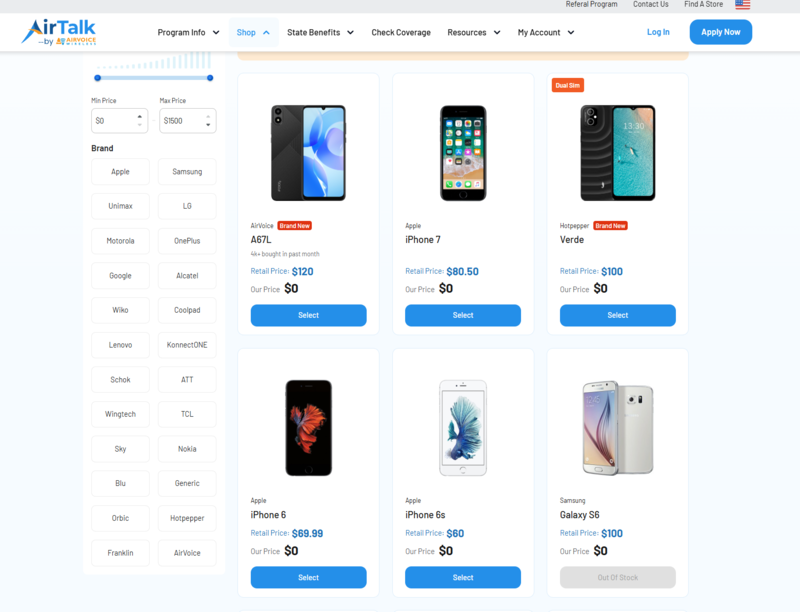
For instance, if you apply for Lifeline now, you can get one of the following phone models:
Note: Eligibility varies by state and program. Offers depend on availability and qualifications. Cintex Wireless and AirTalk Wireless operate under the federal Lifeline Program as an Eligible Telecommunications Carrier (ETC). Service is non-transferable and limited to one service per household.
FAQs
What kind of insurance does an oral surgeon take?
Oral surgeons may accept private dental insurance, medical insurance, Medicare in limited circumstances, or Medicaid. Accepted coverage varies by provider, procedure, and insurance plan.
Why an oral surgeon may accept Medicaid but still not take your case?
In some cases, an oral surgeon that accepts Medicaid may not take your specific Medicaid plan, or the procedure may not meet coverage requirements. The practice may also require a referral or prior authorization.
Does Medicaid cover wisdom teeth removal?
Medicaid may cover wisdom tooth removal when it is medically necessary, such as when impacted teeth cause pain, infection, or other health problems. Coverage varies by state and individual Medicaid plan.
How do I know if an oral surgeon accepts my Medicaid plan?
To find out whether it is an oral surgeon that accepts Medicaid, you should check your Medicaid plan’s provider directory or contact the oral surgeon directly. Moreover, confirm that the surgeon takes your specific plan and that your procedure is covered before scheduling treatment.
Conclusion
To conclude, finding an oral surgeon that accepts Medicaid begins with checking your state’s Medicaid provider directory, contacting your Medicaid plan, or asking local dental clinics about participating oral surgeons.
Before scheduling treatment, always confirm that the provider accepts your specific Medicaid plan and that the procedure is covered to help avoid unexpected costs.