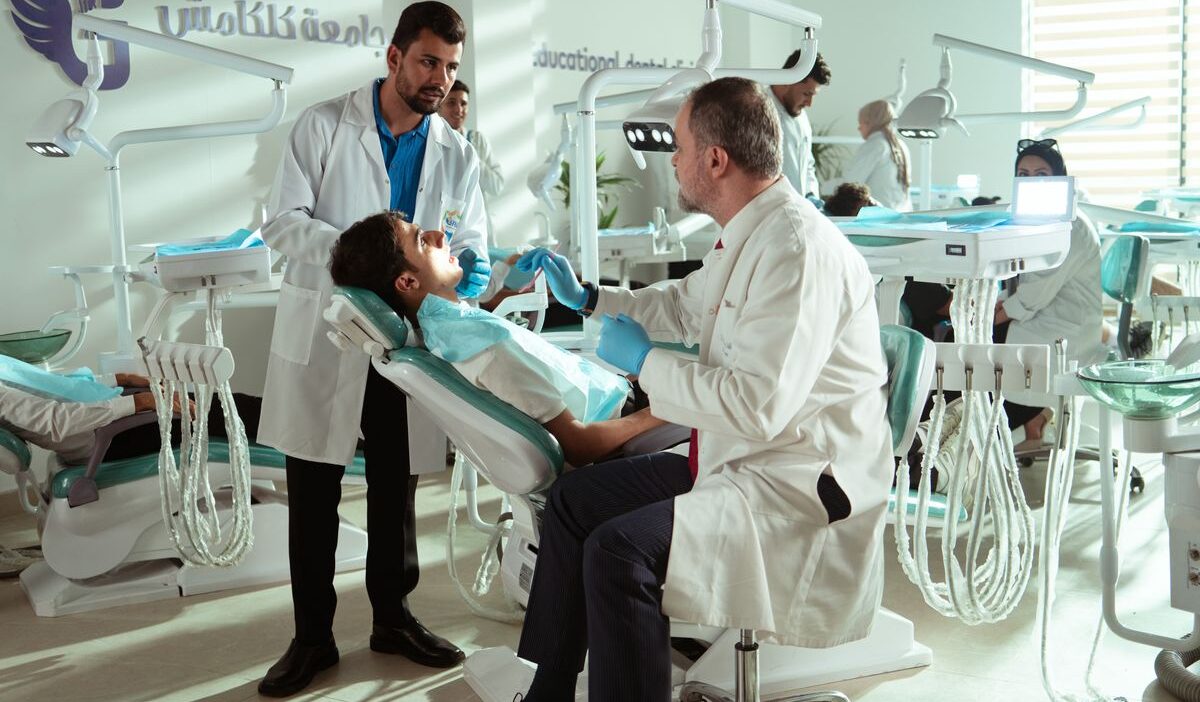
You wake up feeling sick, need to refill a prescription, or finally decide it’s time to schedule a checkup. Then comes the frustrating part, finding a clinic that actually accepts your Medicaid coverage.
That’s why so many people search clinics near me that accept Medicaid. The challenge isn’t just finding a nearby clinic; it’s finding one that accepts your specific Medicaid plan and is taking new patients.
1. What Types of Clinics May Accept Medicaid?
Not every healthcare facility participates in Medicaid, but many do. Knowing which types of providers to look for can make your search for clinics near me that accept Medicaid much easier.
Primary care clinics
Primary care clinics are often the first stop for annual checkups, preventive care, minor illnesses, vaccinations, chronic disease management, and referrals to specialists.
Many family medicine and internal medicine practices accept Medicaid, although participation depends on the provider and your specific plan.
Hospital outpatient clinics
Your search for clinics near me that accept Medicaid doesn’t have to stop at independent practices.
Many hospital outpatient clinics participate in Medicaid and provide specialty care, testing, preventive services, and follow-up treatment when required referrals are in place.
Community Health Centers (FQHCs)
Federally Qualified Health Centers (FQHCs) serve patients regardless of their ability to pay and often participate in Medicaid.
Depending on the location, they may also offer dental care, behavioral health services, pharmacy assistance, and preventive screenings.
Urgent care and walk-in clinics
Urgent care and walk-in clinics can be useful for non-emergency problems when you need care without waiting for a regular appointment.
However, don’t assume that every location accepts your Medicaid coverage. Confirm that the clinic participates in your specific Medicaid plan before you go.
2. How to Find Places That Accept Medicaid?
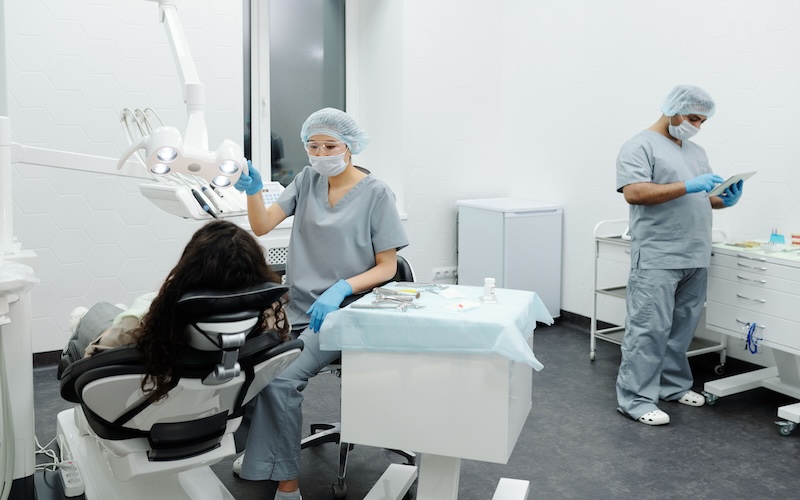
If you’re looking for clinics near me that accept Medicaid, start with your specific Medicaid plan rather than simply choosing the closest clinic.
Step 1: Search Your Medicaid plan’s provider directory
Start with your Medicaid managed care plan’s provider directory. Search by provider type, specialty, or ZIP code to find participating clinics in your area.
Step 2: Contact your plan’s Member Services
The Member Services number on your Medicaid or health plan ID card can help confirm whether a clinic participates in your network. They can also tell you whether a provider is currently accepting patients.
Step 3: Ask your primary care provider for a referral
If you already have a primary care provider, ask whether you need a referral before seeing a specialist. This can help you stay within your plan’s network and avoid unnecessary delays.
Step 4: Check community health centers
FQHCs and other community health centers can be another useful starting point. Many accept Medicaid and provide a range of primary and preventive healthcare services.
Step 5: Confirm coverage before scheduling
Before making an appointment, call the clinic and confirm that it accepts your specific Medicaid plan and is currently accepting new patients. A provider can participate in Medicaid without participating in every Medicaid managed care network.
>>> Read more: What Is the Monthly Income Limit for Medicaid in NJ? Guide 2026
3. Why “Accepts Medicaid” Doesn’t Always Mean “Accepts Your Plan”
One of the biggest misunderstandings about clinics near me that accept Medicaid is assuming every Medicaid clinic accepts every Medicaid member.
Several factors can affect coverage:
- Different Medicaid managed care plans: Clinics may contract with only certain Medicaid plans.
- Location-specific participation: One clinic location may accept your plan while another office under the same health system may not.
- Closed to new patients: Even participating providers may temporarily stop accepting new Medicaid patients.
- Service-specific network rules: A clinic may cover primary care but not specialty services under your plan.
- Referral or prior authorization requirements: Some specialty visits still require referrals or plan approval before treatment.
When searching for clinics near me that accept Medicaid, verifying these details before scheduling can help you avoid delays and unexpected billing or coverage issues.
4. Can I Go to a Walk-In Clinic With Medicaid?
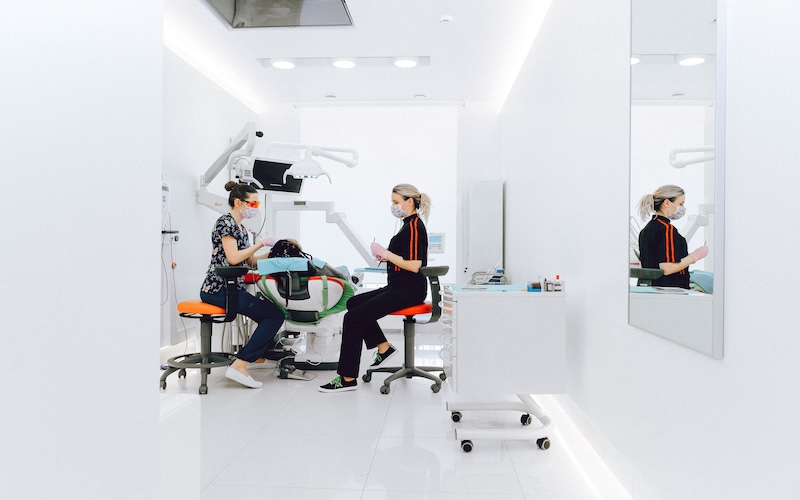
Yes, you generally can, as long as the walk-in clinic accepts your Medicaid program or managed care plan. Because participation varies by location, it’s smart to confirm coverage before heading over.
Walk-in clinics commonly treat non-emergency conditions such as:
- Cold and flu symptoms
- Ear infections
- Minor cuts and burns
- Skin rashes
- Urinary tract infections
- Mild sprains
If you’re searching for clinics near me that accept Medicaid, match the clinic to the kind of care you need. For serious or life-threatening emergencies, seek emergency care or call 911 rather than waiting for a walk-in appointment.
5. Why Do Some Clinics Not Take Medicaid?
If you’ve wondered why do some clinics not take Medicaid?
The answer usually involves administrative and financial factors rather than patient eligibility. Some clinics may choose not to participate because:
- Medicaid reimbursement rates differ from private insurance.
- Administrative requirements can be more complex.
- Contracts may be limited to certain Managed Care Organizations.
- Staffing or appointment capacity may limit new Medicaid patients.
When looking for clinics near me that accept Medicaid, keep in mind that a clinic’s participation in your plan isn’t a measure of its quality. Since networks differ, verifying your coverage before booking is an important step.
>>> Read more: Rehabs That Accept Medicaid: Find Quality Care Faster
6. Need to Stay Connected With Your Healthcare Team? Here’s Another Benefit to Check
Finding clinics near me that accept Medicaid is one piece of the puzzle. Once you have a provider, you may still need to confirm appointments, receive lab results, arrange follow-up care, or respond to messages from your healthcare plan.
That’s where reliable phone service can make a difference. If you receive Medicaid, you may also qualify for Lifeline, a government assistance program that provides a monthly discount on wireless service.
Medicaid is one qualifying pathway, although eligibility can also be based on household income or participation in certain other assistance programs.
Cintex Wireless is a participating Lifeline provider that offers wireless service options to eligible customers. Depending on eligibility and availability, customers may be able to get a phone with a service plan or bring their own compatible device.
Cintex Wireless has merged into AirTalk Wireless, so eligible applicants can now explore available Lifeline options through a more advanced platform with broader device options. The application process is straightforward:
- Visit the carrier website and confirm the service availability using your ZIP Code.
- Choose a service option or an eligible phone.
- Complete your application and upload any requested documents.
- Submit and wait for approval. Once approved, you will receive the device delivered to your address.
For someone managing regular appointments and healthcare communications, that connection can be useful for everything from a last-minute schedule change to a routine Medicaid update.
Note: Eligibility varies by state and program. Offers depend on availability and qualifications. Cintex Wireless and AirTalk Wireless operate under the federal Lifeline Program as an Eligible Telecommunications Carrier (ETC). Service is non-transferable and limited to one service per household.
7. FAQs
Do I need a referral before visiting a Medicaid clinic?
Not always. Primary care visits usually don’t require referrals, but specialist appointments may, depending on your Medicaid plan.
Can I change clinics if my current provider stops accepting Medicaid?
Yes. Most Medicaid members can choose another participating provider within their plan’s network if their current clinic no longer participates.
Are urgent care visits cheaper than emergency room visits with Medicaid?
For non-emergency conditions, urgent care is often the more appropriate setting. Your actual cost depends on your Medicaid program and managed care plan.
Can I use Medicaid at a clinic while traveling in another state?
Generally, Medicaid coverage is limited to the state where you’re enrolled, although emergency services may be covered in other states. Some exceptions apply, so check your plan before traveling.
Conclusion
Finding clinics near me that accept Medicaid involves more than choosing the closest location. The best approach is to confirm your specific Medicaid plan, verify provider participation, and check referral or authorization requirements before your visit.
Taking a few extra minutes to verify coverage can help you access care more quickly, avoid unexpected costs, and make the most of your Medicaid benefits.