
When communication issues, continuous disagreement, or big life events put a strain on a relationship, professional counselling may be helpful. However, cost is often a problem, particularly for couples who rely on Medicaid.
Fortunately, there are options for finding couples counseling that takes Medicaid if the treatments meet your plan’s eligibility criteria. This blog post will explain who is covered, how to find participating counselors, and other choices if couples therapy is not covered.
1. What is Couple Counseling?
Couples therapy, often known as marriage counseling, is a type of psychotherapy in which a skilled counselor helps couples improve communication, resolve conflict, strengthen their relationship, and improve their general well-being.
In general, while individual therapy focuses on a patient’s personal growth, couples or family therapy focuses on strengthening relationships.
2. Does Couple Therapy Take Medicaid?
Sometimes. Medicaid may cover couples or family therapy when it is part of medically necessary treatment for a Medicaid beneficiary’s behavioral-health condition. However, relationship counseling by itself may not be covered.
The important distinction is the purpose of treatment. If counseling is provided solely to improve a relationship or resolve marital conflict, Medicaid may not pay for it.
If one partner has a covered mental health condition and the therapist involves the other partner as part of treatment, the sessions may qualify under the state’s Medicaid rules.
Coverage can depend on your state, Medicaid plan, provider, and any referral or authorization requirements.
So, when searching for couples counseling that takes Medicaid, confirm not only that the therapist accepts Medicaid but also that your specific type of counseling is covered.

When It is Covered
Medicaid may cover couples or family sessions when they are part of treatment for a covered behavioral-health condition.
For example, a therapist may include a spouse in treatment when relationship problems are affecting a beneficiary’s depression, anxiety, or another covered mental health condition. The exact requirements vary by state and Medicaid plan.
Where It is Covered
Coverage depends on your state’s Medicaid program and the provider you choose. Some programs cover family therapy as a behavioral-health service, while individual Medicaid plans may have additional provider, authorization, or network requirements.
That’s why finding couples counseling that takes Medicaid involves two checks: make sure the therapist participates in your Medicaid plan and confirm that the plan covers the type of family or couples therapy you’re seeking.
What to Expect
If you find couples counseling that takes Medicaid, your first appointment may begin with an assessment of the Medicaid beneficiary’s mental health needs. The therapist may then determine whether involving the partner in future sessions is appropriate.
Depending on the couple’s needs, sessions may focus on:
- Managing conflict: Learning healthier ways to handle disagreements.
- Improving communication: Practicing clearer, more constructive conversations.
- Addressing underlying concerns: Exploring issues affecting the relationship and individual well-being.
- Supporting individual treatment: Helping a partner participate in treatment when appropriate.
- Building skills at home: Applying strategies discussed during therapy between appointments.
The number and frequency of sessions depend on the treatment plan, provider, and Medicaid coverage rules.
>>>Read more: Does Medicaid Cover Physical Therapy In 2026? Benefits & Eligibility
3. How to Find Couples Counseling That Takes Medicaid
There are several ways to find a couple counseling that accepts Medicaid, including:
- Check your Medicaid provider directory: Search for behavioral-health providers and look for therapists who offer family or couples services.
- Call Medicaid Member Services: Ask whether family or couples therapy is covered under your specific plan and whether you need a referral or authorization.
- Call the therapist before booking: Confirm that they accept your exact Medicaid plan, are accepting new patients, and provide the type of counseling you’re seeking.
- Check community mental health centers: These facilities may offer behavioral-health services to Medicaid members and can help identify appropriate providers.
A quick phone call before booking can save you from finding the right therapist only to discover that the service isn’t covered.
4. How to Start with Couples Counseling That Takes Medicaid
Follow these steps to get started with couples counseling that takes Medicaid:
- Step 1: Confirm that your Medicaid plan covers the type of couples or family counseling you need.
- Step 2: Choose a participating therapist and ask whether a referral or prior authorization is required.
- Step 3: Schedule an initial assessment. The therapist can discuss your concerns, determine the appropriate treatment approach, and explain how your sessions will be billed.
- Step 4: Complete any required Medicaid paperwork or authorization before continuing with covered treatment.
>>>Read more: Can You Use Medicaid Out Of State? Travel and Moving Guide 2026
5. Alternatives to Couples Counseling That Takes Medicaid
Even if you locate couples counseling that accepts Medicaid, your plan may not cover traditional couples counseling.
It may be because Medicaid generally focuses on medically necessary treatment for an individual’s diagnosed mental health condition rather than relationship problems alone.
Coverage rules also vary by state and plan.
But don’t worry if couples sessions are not covered. Here are some alternatives to consider:
- University Clinics: Counseling programs at universities may offer affordable couples therapy delivered by supervised graduate students or therapists-in-training.
- Community Mental Health Centers: Local community centers may provide couples and family counseling at little or no cost, depending on eligibility, income, and available programs.
- Nonprofit Organizations: Some nonprofits provide free or reduced-cost counseling for certain communities, families, or individuals who meet their eligibility requirements.
- Online Platforms: Online counseling services may offer couples therapy at lower rates, including subscription or weekly payment options.
- Employee Assistance Programs (EAPs): Some employers include couples counseling through their EAP benefits. However, the number of covered sessions and available providers may be limited.
6. Surprising Telecommunication Benefits for Medicaid Recipients
Staying connected is vital for any couple as it offers access to healthcare services, work, and daily communication.
Fortunately, the Lifeline program helps low-income people stay connected affordably and easily.
It is a government assistance program that helps with connectivity for everyday necessities by offering qualified families a monthly discount on phone service and internet service.
Notably, participation in Medicaid may qualify individuals for Lifeline without meeting income limits.
If Medicaid is out of your hands, eligibility can also be based on income or participation in other federal assistance programs like SNAP, SSI, etc.
If you apply for Lifeline through an Eligible Telecommunications Carrier (ETC), such as Cintex Wireless, you can get a service plan that includes unlimited talking, texting, monthly mobile data, along with a free or discounted device (depending on availability).
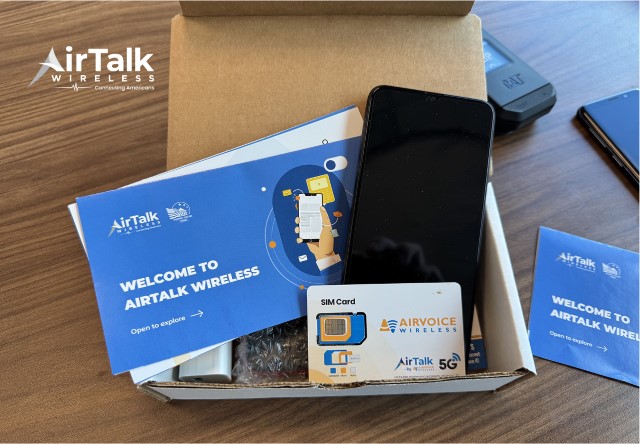
If you’re comparing carriers, note that Cintex Wireless is merging with AirTalk Wireless, which may lead to a more streamlined experience and additional perks.
Note: Eligibility varies by state and program. Offers depend on availability and qualifications. Cintex Wireless and AirTalk Wireless operate under the federal Lifeline Program as Eligible Telecommunications Carriers (ETCs). Service is non-transferable and limited to one service per household.
Conclusion
Finding couples counseling that takes Medicaid can make professional relationship support more accessible when cost is a concern.
Before scheduling a session, check your benefits, confirm that the counselor accepts your specific Medicaid plan, and ask about any referral or authorization requirements.
If coverage is unavailable, consider community mental health centers, sliding-scale providers, or other affordable counseling options.