
If you are wondering does Medicaid cover physical therapy, the answer is often yes. However, it depends on the state and whether the treatment is considered medically necessary.
This blog post explains how coverage works and how to easily apply for Medicaid benefits. Moreover, you can discover a surprising way to maximize your quality of life.
1. Why Is Physical Therapy Important?
Physical therapy is a type of medical treatment that helps people recover from injuries, manage pain, and enhance mobility.
For Medicaid patients, access to these treatments is critical to their health and well-being.
Generally, you can anticipate the following from physical therapy:
- Recover from a stroke, accident, or trauma
- Reduce or eliminate pain
- Avoid and recover from surgery
- Improve mobility and range of motion
- Recover from or prevent a sports injury
- Improve balance and prevent falls, etc.
Physical therapists also instruct patients on how to incorporate physical therapy into their daily lives, including stretches, exercises, and specific movements.
Furthermore, they can assess each patient and provide detailed therapy plans to help them attain their recovery goals.
2. Does Medicaid Cover Physical Therapy?
Medicaid often covers physical therapy when it is medically necessary.
Nevertheless, the number of visits, eligible providers, and particular services vary by state because Medicaid programs are administered individually by each state within federal guidelines.
These programs, like Medicaid Colorado, specify the types and scope of services patients may expect to receive. It means you should verify the specific details for your state to obtain the whole picture.

Does Medicaid cover physical therapy? In many cases, yes. Medicaid coverage for physical therapy may cover treatments for rehabilitation and chronic condition management.
Typical services may include manual therapy, therapeutic exercises, and patient education.
>>>Read more: How To Find Therapist NEAR Me That Accept Medicaid? Easy Guide
3. Does Medicaid Cover Physical Therapy at Home?
Most patients receive physical therapy treatment at a physical therapist’s office or facility. Nevertheless, some people are unable to leave their homes due to illness or other reasons.
In these cases, Medicaid may cover home-based physical therapy services for home physical treatment, depending on the state.
It is up to your main physician to evaluate whether you are unable to leave your house without assistance, after which they will suggest home physical therapy.
This might include situations where traveling is physically impossible or when you have a major medical condition.
4. How Many Physical Therapy Sessions Does Medicaid Cover?
The number of therapy sessions varies by state. Several states will give 20-30 sessions per year, while others, like Michigan Medicaid, may provide 144 units of service without physical therapists.
A service unit is a patient visit or operation that tracks service volume over a set period of time.
Generally, patients receive at least a few appointments with a therapist that takes Medicaid. The precise number varies depending on the individual’s needs and progress.
On average, 6 to 12 visits are necessary to cover the majority of cases and diagnoses, depending on the patient’s condition, treatment goals, and medical progress.
Your therapist will most likely prescribe 3 weekly appointments. However, depending on your progress, you may only require 1 or 2 visits over time.
Moreover, the length of a visit is largely determined by the injury or condition.
Patients should expect a session to take 45 to 75 minutes on average. The first session is often longer since it involves an evaluation.
5. How to Apply for Medicaid Easily?
Now you know does Medicaid cover physical therapy. If you are medically assessed as needing a physical therapy treatment, here are the steps to apply for Medicaid benefits.
Check Eligibility
First, make sure you meet Medicaid requirements. The exact eligibility criteria may vary by state, but common qualifying groups may include:
- Children
- Pregnant individuals
- Certain parents or caretakers
- Seniors age 65 and older
- People with disabilities
- Some low-income adults in states that expanded Medicaid under the Affordable Care Act
Gather Documents
Having everything you need on hand before filling out your Medicaid application might make you feel more prepared.
Although your state may want additional paperwork, these are fundamental documents:
- Proof of citizenship or legal residence
- Proof of age
- Proof of income
- A list of “countable assets”
- Proof of disability (if you live with one)
How to Apply
You can apply for Medicaid at any time using one of the following methods:
- Find and contact your state’s Medicaid department: Note that you must be a resident of the state where you want to apply for benefits.
- Create an account with the Health Insurance Marketplace and complete an application: If it seems that anyone in your family is eligible for Medicaid, your information will be forwarded to your state agency. Then, they will contact you regarding enrollment.
6. Tips to Maximize Your Medicaid Benefits
A good way to maximize your Medicaid benefits is to look beyond healthcare coverage alone and check whether you also qualify for the Lifeline program.
Fortunately, Medicaid recipients are automatically eligible for Lifeline.
Otherwise, you may also qualify if you enroll in programs like SSI, SNAP, etc., or have income at or less than 135% of the Federal Poverty Guideline.
If you don’t know, Lifeline is a federal program that helps low-income people lower the cost of phone or internet service by offering a monthly discount of up to $9.25.
Some Lifeline-participating providers, like Cintex Wireless, may even offer a discounted or free phone, depending on location and inventory, to promote enrollment.
Note: Lifeline service is non-transferable, and only eligible customers can enroll. Also, the service is limited to one discount per household.
One of the most popular carriers is Cintex Wireless, which is currently merging with AirTalk Wireless. This merger is meant to improve support, the application process, and device availability.
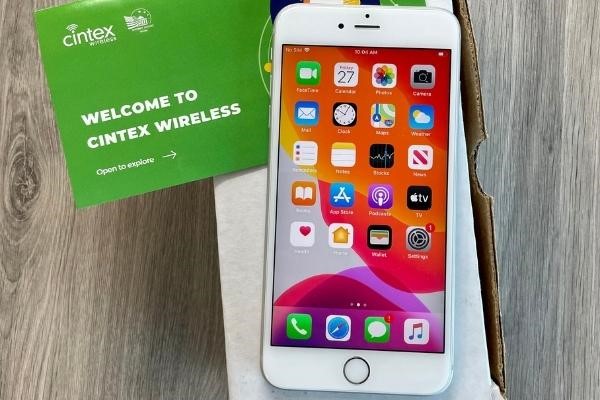
For example, you can expect the following models from AirTalk. Offers may vary and are subject to future updates:
- iPhone 8 Plus
- iPhone 11 Pro Max
- iPhone 12
- iPhone 13
- Samsung Galaxy A42 5G
- Motorola One 5G ACE
- OnePlus Nord N10 5G
DISCLAIMER: The government does not cover device costs, only basic service through Lifeline. Any free or discounted devices, upgrades, or top-ups are limited-time Cintex Wireless offers and may vary by state, eligibility, and availability. Terms and conditions apply.
Conclusion
In conclusion, does Medicaid cover physical therapy is a common question for people who need treatment but want to avoid high costs.
Generally, coverage depends on the state, the provider, and whether the treatment is medically necessary.
Understanding Medicaid coverage can help you know your benefits and get the care you need with fewer surprises.