A cancer diagnosis can change everything overnight. Along with treatment decisions, many people immediately worry about one practical question: how will I pay for my care?
Because cancer treatment often involves multiple specialists, medications, and ongoing appointments, understanding your insurance benefits is an important first step. That’s why many patients ask, does Medicaid cover cancer treatment before beginning care.
1. Does Medicaid Cover Cancer Treatment?
Yes, Medicaid generally covers cancer treatment when it’s medically necessary. Cancer treatment refers to the medical care used to diagnose, treat, manage, or slow the progression of cancer.
Depending on your diagnosis, treatment may include surgery, chemotherapy, radiation therapy, immunotherapy, prescription medications, follow-up care, and supportive services.
2. What Cancer Treatments Does Medicaid Cover?
The answer to does Medicaid cover cancer treatment includes many of the services patients commonly need throughout their care.
Doctor visits and cancer screenings
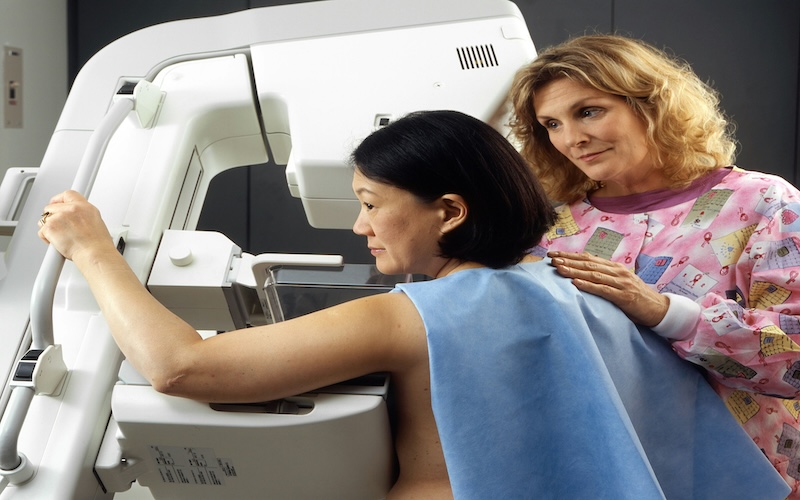
Medicaid generally covers medically necessary physician visits, specialist consultations, diagnostic imaging, biopsies, laboratory tests, and cancer screenings when they meet your state’s coverage guidelines.
Chemotherapy and immunotherapy
Prescribed oncology medications, including intravenous chemotherapy, oral chemo agents, targeted therapies, and approved immunotherapies, are covered under Medicaid when deemed medically necessary.
Some specialized regimens may require prior authorization from your health plan before treatment begins.
Cancer clinical trials
Federal law requires Medicaid to pay for routine medical care associated with qualifying cancer clinical trials. This includes covered doctor visits, laboratory work, and diagnostic imaging performed while participating in an approved clinical study.
Radiation therapy
If you’re wondering does Medicaid cover cancer treatment, radiation therapy is commonly covered when your oncology team recommends it to destroy or shrink cancer cells.
Cancer surgery
If surgery is considered medically necessary, Medicaid often covers the procedure, hospital services, anesthesia, and related inpatient or outpatient care.
Prescription Medications and Supportive Care
In addition to cancer-fighting medications, Medicaid may also cover supportive treatments such as anti-nausea drugs, pain management, blood tests, and follow-up monitoring, depending on your state’s prescription benefits.

>>> Read more: Does Medicaid Cover Home Health Care? Key Facts to Know
3. What Can Affect Medicaid Coverage for Cancer Treatment?
Even when does Medicaid cover cancer treatment is generally yes, several factors influence whether a specific service is approved.
Medical necessity and treatment plan
Your oncologist must document why a treatment is medically necessary based on your diagnosis, cancer stage, symptoms, and accepted clinical guidelines.
State Medicaid program
Each state operates its own Medicaid program, so covered services, prescription benefits, and authorization rules can differ.
Managed care plan
If does Medicaid cover cancer treatment is your question, remember that your Medicaid plan may be managed through an MCO. In that case, provider networks, referral procedures, and utilization review requirements can vary by plan.
Oncologist and cancer center network
Using an in-network oncologist or participating cancer center is often required for the highest level of coverage.
Prior authorization
Some treatments, imaging studies, specialty medications, or advanced therapies must receive approval before treatment begins.
Drug formulary rules
If does Medicaid cover cancer treatment is your question, remember that not every prescription is covered the same way. Your state’s formulary or Preferred Drug List (PDL) determines coverage, and non-preferred medications may require extra approval.
4. How to Get Cancer Treatment Through Medicaid
If you’re wondering does Medicaid cover cancer treatment for your situation, following these steps can help the process go more smoothly.
Step 1: Confirm your Medicaid benefits
Review your coverage or contact your caseworker to verify oncology benefits.
If you are uninsured and need care, ask about specialized state programs, such as the Breast and Cervical Cancer Prevention and Treatment Program (BCCTP), which allow eligible patients diagnosed with breast or cervical cancer to receive full Medicaid benefits under expanded income limits.
Step 2: Work with an in-network oncologist
If you’re wondering does Medicaid cover cancer treatment, choosing an oncologist who participates in your Medicaid plan can help reduce delays and ensure your provider understands the program’s requirements.
Step 3: Complete any required prior authorization
If your treatment requires prior authorization, your healthcare team will usually submit the necessary medical records and clinical documentation.
Step 4: Ask about financial assistance for uncovered costs
Even if does Medicaid cover cancer treatment is yes, certain optional services or upgraded treatments may not be fully covered. Your hospital’s financial counselor may help identify assistance programs for eligible patients.
>>> Read more: How To Find Optometrist That Accept Medicaid In 2026? Updated Guide
5. What If Medicaid Denies a Cancer Treatment or Medication?
A denial doesn’t always mean treatment is permanently unavailable. Depending on the reason, you may be able to:
- Review the denial notice to understand why coverage was refused.
- Ask your oncologist to submit additional clinical documentation.
- Correct missing information or authorization requests.
- Request reconsideration if new medical evidence is available.
- File an appeal or fair hearing according to your state’s Medicaid process.
- Discuss clinically appropriate covered alternatives with your care team.
6. What Costs Could You Still Be Responsible For?
Although does Medicaid cover cancer treatment is often yes, some expenses may still apply depending on your state and plan.
| Possible Cost | What It May Include |
| Prescription copayments | Small copays for certain medications in some states |
| Non-covered medications | Drugs that aren’t included on the plan’s formulary |
| Out-of-network providers | Care received outside the approved network if exceptions don’t apply |
| Optional services | Treatments or upgrades that Medicaid doesn’t consider medically necessary |
| Transportation or lodging | Travel-related expenses that aren’t covered under your specific plan |
The exact amount you pay depends on your state’s Medicaid rules and your individual coverage.
7. Cancer Care Often Means Staying Connected Every Step of the Way
Cancer treatment rarely follows a single visit; it unfolds over months, sometimes years, with specialist appointments and a steady thread of communication with your care team holding it all together.
That ongoing contact is one reason it’s worth checking whether you qualify for the Federal Lifeline Program alongside your Medicaid coverage.
The two aren’t automatically linked, but Medicaid participation is one of several paths to Lifeline eligibility (along with other federal assistance programs). Household income is another, and the program itself works by trimming the monthly cost of wireless service for those who qualify.
As with any Lifeline benefit, it’s capped at one per household and can’t be reassigned to someone else.
Approved carriers, not the program itself, are who actually deliver that service. Cintex Wireless was one of them, known for combining discounted Lifeline plans with a free or discounted phone depending on what was in stock.
Since the carrier is merging into AirTalk Wireless, that means applicants are now open to a more streamlined and quicker application with broader device options.
Through appointment reminders, check-ins with your oncology team, and medication refill notices, a phone that works reliably becomes part of the treatment plan itself, not just a convenience alongside it.
8. FAQs
Does Medicaid cover oral chemotherapy drugs?
Yes. Many Medicaid programs cover oral chemotherapy medications, although some drugs may require prior authorization or must be included on your plan’s formulary.
Can I receive cancer treatment outside my home state with Medicaid?
Generally, Medicaid primarily covers care within your home state. Out-of-state treatment may be covered in limited situations, such as emergencies or when medically necessary services aren’t available locally.
Does Medicaid cover second opinions for cancer?
Many Medicaid programs cover medically necessary second opinions, particularly before major procedures or complex treatment decisions. Coverage requirements vary by state and plan.
Will Medicaid continue covering treatment if my cancer comes back?
Yes. If recurring treatment is medically necessary and covered under your Medicaid plan, benefits may continue, although new prior authorization or updated documentation may be required.
Conclusion
For most medically necessary services, the answer to does Medicaid cover cancer treatment is yes, but coverage depends on your state’s Medicaid program, your treatment plan, and any authorization requirements.
Understanding your benefits early, working with participating providers, and completing required approvals can help you access care with fewer delays and focus on what matters most your treatment and recovery.