
Utah Medicaid uses different financial rules for adults, children, pregnant applicants, seniors, and people with disabilities. That means the income level that works for one group may not apply to another.
Understanding Medicaid Income Limits Utah starts with identifying the eligibility category that fits your situation, then comparing your household income with the correct standard.
1. What is Medicaid in Utah?
Utah Medicaid is a joint federal-state healthcare program for eligible residents with limited income and resources.
The Utah Department of Health and Human Services administers Medicaid, while the Department of Workforce Services (DWS) handles Medicaid eligibility services and applications.
Although coverage varies somewhat by program, Medicaid can generally pay for services such as doctor visits, hospital care, prescriptions, preventive services, behavioral health care, laboratory testing, and other medically necessary treatments.
Utah operates several Medicaid pathways, including:
- Medicaid for children
- Pregnancy and postpartum Medicaid
- Adult Expansion Medicaid
- Parent/Caretaker Relative Medicaid
- Programs for older, blind, or disabled adults
- Foster Care Medicaid
- Medically Needy programs
- Long-term care and waiver programs
That variety matters because the income limit for one program may look very different from another.
Pregnant members who qualify for the regular pregnancy program can receive coverage through pregnancy and 12 months postpartum.
Utah also has medically needy pathways for some people who exceed the standard income limit.

2. Who is Eligible for Medicaid in Utah?
Eligibility starts with more than Medicaid income limits Utah.
Generally, applicants must qualify for a specific Medicaid category and meet applicable requirements for Utah residency, income, and citizenship or qualifying immigration status. Depending on the program, age, pregnancy, disability, household circumstances, or available resources may also matter.
For example:
- Adults ages 19–64 may qualify through Adult Expansion if they meet the program’s requirements.
- Children have separate Medicaid income standards based on age.
- Pregnant applicants have a separate Medicaid pathway with its own financial rules.
- Seniors and people with disabilities may qualify under programs that use different financial tests.
- Former foster youth may qualify through a separate Medicaid category.
Asset rules aren’t the same across the board, either. MAGI-based programs such as Adult Expansion generally don’t use an asset test, while some programs for aged, blind, disabled, or long-term-care applicants may consider countable resources.
So, if you are over the limit for one category, don’t assume the door is completely closed. Another Medicaid pathway may fit your circumstances.
>>>Read more: How Do I Protect My Inheritance From Medicaid? What to Know Before You Act
3. What is Medicaid Income Limits Utah?
There is no single Medicaid income limits Utah figure. Utah primarily uses different financial tests depending on the applicant’s age and eligibility category.
For many children, pregnant applicants, parents, and adults under 65, Medicaid uses Modified Adjusted Gross Income, or MAGI.
Older adults, people who are blind or disabled, and some long-term care applicants follow different financial rules that may also include asset limits.
Utah’s program materials list Adult Expansion at 133% of the Federal Poverty Line (FPL) with a 5% FPL income deduction. In practical terms, the effective limit is commonly described as 138% FPL.
For a one-person household in 2026, 138% of the federal poverty guideline is roughly $1,835 per month, or about $22,025 per year. The dollar limit rises as household size increases.
What if your income is over the Utah Medicaid limit?
Being over one Medicaid income limit doesn’t necessarily mean you’re out of options.
Utah has Medically Needy programs that can allow certain applicants to qualify by meeting a spenddown through eligible medical expenses.
Children, for example, may qualify through the Child Medically Needy program even when their household income exceeds the standard child Medicaid limit.
Depending on your circumstances, you may also want to explore CHIP, the Utah Premium Partnership for Health Insurance, or Marketplace coverage.
The important takeaway is simple: don’t let one income figure decide for you. The correct eligibility category matters just as much as your paycheck.
4. How to Apply for Medicaid in Utah?
Utah accepts Medicaid applications online, by mail, by fax, or in person through the Department of Workforce Services (DWS). Applying online means a separate paper application is not required.
Prepare information about your household, income, residency, identity, and immigration or citizenship status where applicable.
DWS may contact you for additional proof after reviewing the application.
The application process typically involves:
- Complete the Utah medical assistance application.
- Provide household and income information.
- Submit any documents DWS requests.
- Wait for the eligibility determination.
- Review your approval or denial notice carefully.
DWS says applications are generally decided within 30 days, although some medical decisions can take longer.
If you are asked for additional verification, don’t let the request gather dust. Sending the requested information promptly can help keep your application moving.
>>>Read more: Can You Use Medicaid Out Of State? Travel and Moving Guide 2026
5. Qualify for Utah Medicaid? Your Eligibility May Help With Phone Service Too
Someone researching Utah Medicaid may not yet know whether their application will be approved.
Still, the income figures are useful beyond healthcare, as another federal program, Lifeline, also uses income and government program participation to determine eligibility.
This initiative helps eligible households reduce the cost of qualifying phone or internet service.
Its income pathway generally uses 135% of the FPL, so some people researching Medicaid may fall within both programs’ financial ranges.
There is another route: if your Utah Medicaid application is approved, Medicaid participation can itself establish Lifeline eligibility. That means you would not need to qualify through income alone.
Especially when you apply for Lifeline through an Eligible Telecommunications Carrier like Cintex Wireless, the benefits may surprise you. You can get a Lifeline-supported service along with a free or discounted smartphone.
The carrier is merging with AirTalk Wireless, which means that applicant choose to apply here now have access to a more streamlined process with broader device options to choose from.
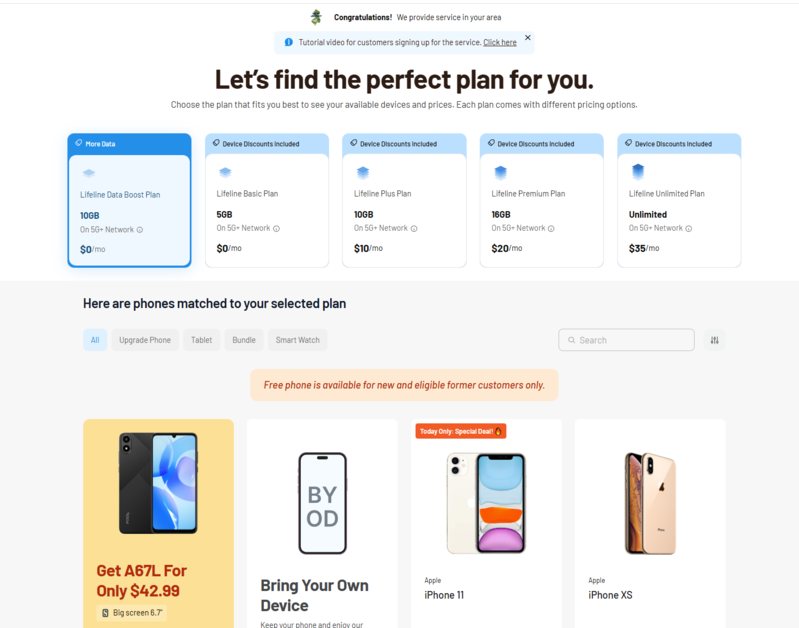
Depending on eligibility, location, and current offers, Lifeline applicants may find benefits such as:
- Talk and text service
- Monthly mobile data
- A SIM or compatible service option
- A free or discounted smartphone through provider promotions
- Free international calling to various regions on eligible plans
Note: Eligibility varies by state and program. Offers depend on availability and qualifications. Cintex Wireless and AirTalk Wireless operate under the federal Lifeline Program as Eligible Telecommunications Carriers (ETCs). Service is non-transferable and limited to one service per household.
FAQs
What’s the maximum income you can make for Medicaid?
There is no single maximum for every Utah Medicaid applicant. Utah lists Adult Expansion at 133% FPL with a 5% income disregard applied, producing an effective 2026 threshold of approximately 138% FPL, or about $1,835 per month for one person, while other groups use different limits.
What does it take to qualify for Medicaid in Utah?
Applicants generally need to meet an eligible Medicaid category and Utah’s residency, income, and citizenship or qualifying immigration requirements. Some programs also apply disability, age, or asset requirements.
How easy is it to get Medicaid in Utah?
The application itself is relatively straightforward, but approval depends on your eligibility category and financial circumstances. Utah allows applications to be submitted online, by mail, by fax, or in person.
Are Utah Medicaid eligibility rules changing in 2026?
Yes, some federal changes begin affecting Utah Medicaid in late 2026, including changes to eligibility for certain immigrant groups starting October 1, 2026. Other changes, such as more frequent reviews for certain adults, begin in 2027.
Conclusion
The Medicaid income limits Utah applies depend on who is seeking coverage, so checking the correct eligibility category matters more than comparing your earnings with a single number.
Adult Expansion is set at 133% FPL and reaches an effective 138% FPL once the applicable MAGI disregard is applied, while children, pregnant applicants, seniors, people with disabilities, and medically needy applicants follow different rules.
If your income is close to a limit, submitting an application is often the clearest way to receive an official determination of eligibility.