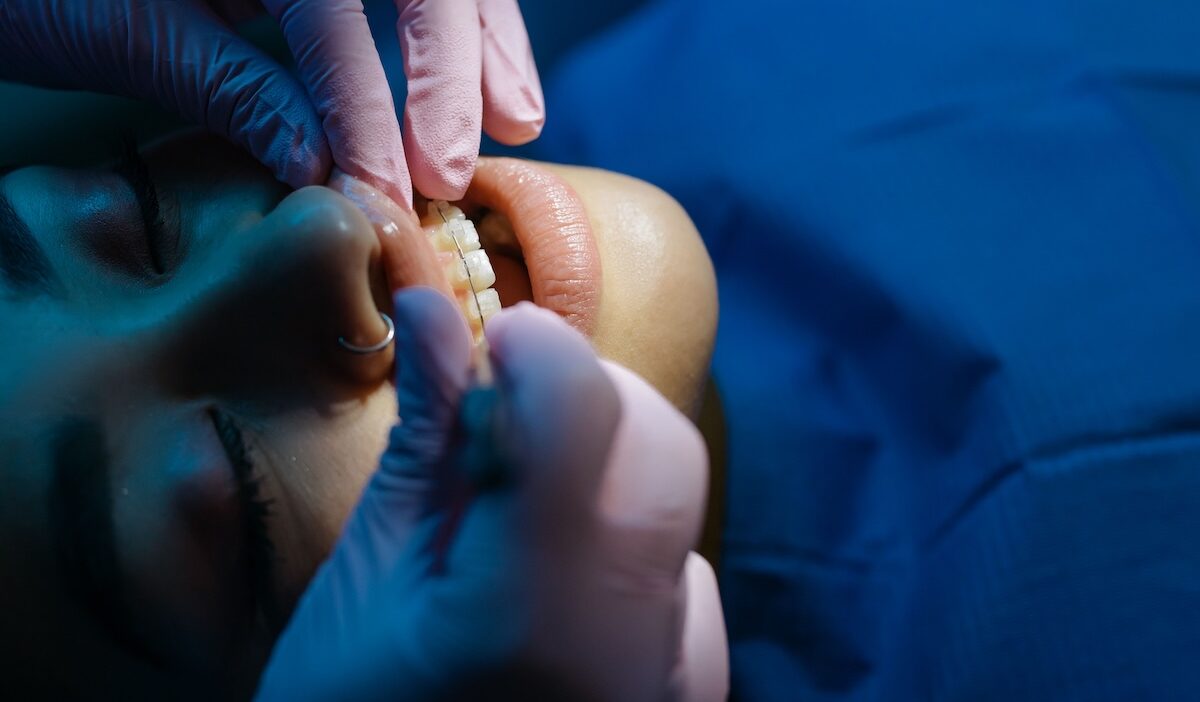
A child’s dentist says braces are necessary, or an adult finally decides to correct a painful bite problem. Orthodontic treatment can easily run into thousands of dollars, making many families wonder whether Medicaid can help.
If you’ve been searching does Medicaid pay for braces, this guide explains what determines coverage, which types of braces may qualify, and what to do if Medicaid won’t cover the full cost.
1. Does Medicaid Pay for Braces? What Coverage Really Depends On
Yes, Medicaid may pay for braces in some situations, but approval depends on your state’s Medicaid rules and whether the treatment is considered medically necessary.
If you’re asking does Medicaid pay for braces, the key question is usually not whether you have Medicaid coverage, but why braces are needed.
Many Medicaid programs cover orthodontic treatment when severe dental problems affect important functions like eating, speaking, or maintaining long-term oral health.
Because each state sets its own requirements, eligibility, documentation, and approval process can vary.
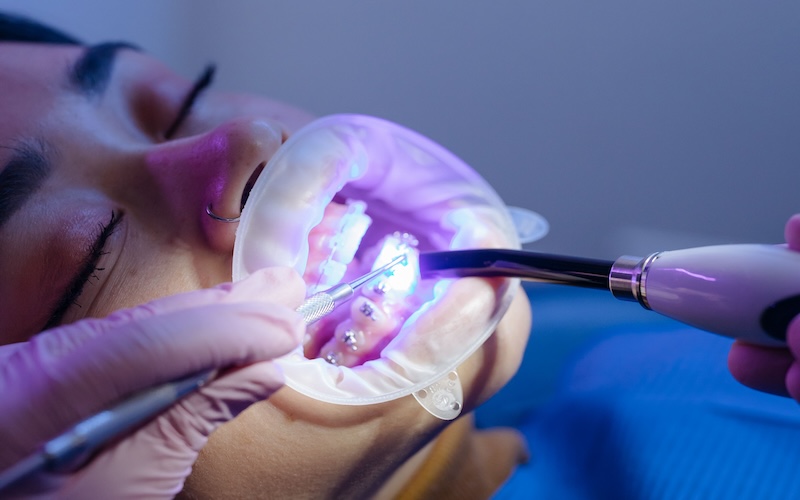
2. When Does Medicaid Pay for Braces?
Understanding these factors makes it easier to know when orthodontic treatment may be covered and when you might need to pay out of pocket.
Medical necessity is the deciding factor
The most important answer to does Medicaid pay for braces is whether an orthodontist can prove the treatment is medically necessary.
Examples may include:
- Severe overbite or underbite
- Major crowding affecting oral function
- Cleft palate or other congenital conditions
- Jaw development problems
- Difficulty chewing or speaking because of tooth alignment
Most Medicaid programs require clinical documentation, X-rays, photographs, and an orthodontic evaluation before approving treatment.
Children vs. adult coverage
Children generally have a higher chance of receiving Medicaid orthodontic coverage because Medicaid’s EPSDT benefit requires states to provide medically necessary dental services for eligible children.
However, braces are not automatically approved. The treatment usually must meet the state’s definition of medical necessity and may require an orthodontic evaluation, records, and prior authorization.
Adult dental coverage varies even more by state. Some Medicaid programs cover medically necessary orthodontic treatment for adults in limited situations, while others do not provide adult braces coverage.
State Medicaid programs have different rules
Even when the diagnosis is similar, approval requirements may differ by state.
Some states use a point-based orthodontic scoring system. Others require prior authorization or limit treatment to specific age groups. Because of these differences, the answer to does Medicaid pay for braces always depends partly on your state’s Medicaid program.
>>> Read more: How To Get Free Braces With Medicaid: What You Should Know 2026
3. What Kind of Braces Does Medicaid Cover?
If treatment is approved, many people next ask, what kind of braces does Medicaid cover? In most cases, Medicaid pays for the least expensive treatment that effectively corrects the medical problem.
To better understand potential coverage differences, the table below compares common orthodontic options and highlights general Medicaid coverage considerations. Keep in mind that specific benefits and approval requirements differ by state.
| Type | Usually Covered? | Notes |
| Traditional metal braces | Most commonly | Often the standard option when orthodontic treatment is approved |
| Ceramic braces | Sometimes | Coverage depends on the state’s rules and whether it is considered medically necessary |
| Invisalign/ Clear aligners | Less common | May not be covered unless specifically approved |
| Lingual braces | Less common | Often considered an upgraded option rather than the standard covered treatment |
| Cosmetic upgrades | Usually not covered | Patients may need to pay additional costs themselves |
What Medicaid usually doesn’t cover
Understanding does Medicaid pay for braces also means knowing that approval usually doesn’t extend to treatments performed primarily for cosmetic purposes.
These commonly include:
- Invisalign
- Clear aligners
- Lingual braces placed behind the teeth
- Cosmetic upgrades that cost more than standard treatment
If you specifically prefer these options, you may need to pay the additional expense yourself.
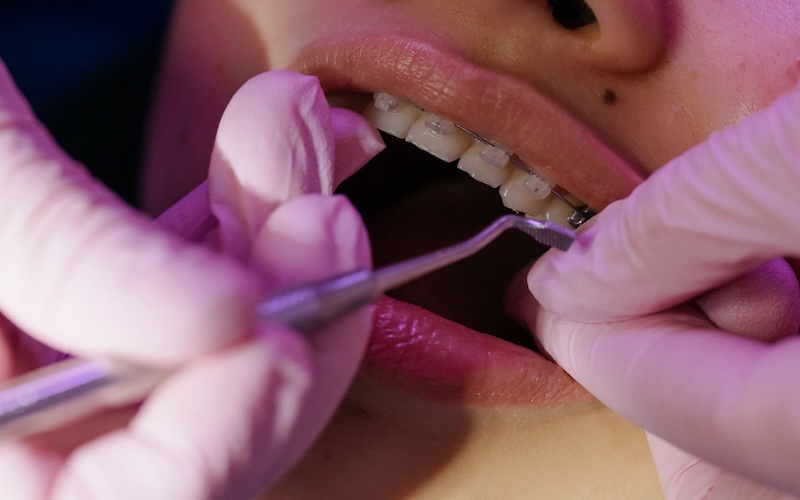
4. What Qualifies for Free Braces Through Medicaid?
Having Medicaid does not automatically mean braces will be approved. Coverage usually depends on whether the orthodontic treatment meets your state’s medical necessity requirements.
The process often includes:
Orthodontic evaluation
Your dentist or orthodontist reviews your teeth alignment, bite, and overall oral health. X-rays, photographs, and measurements may be required to document the condition.
Severity scoring and documentation
Some Medicaid programs use orthodontic scoring systems to determine whether a case meets coverage requirements. The orthodontist may submit records showing how the condition affects oral function.
Submitting Medicaid authorization
Before treatment begins, the orthodontist usually submits the required documentation for Medicaid review. If approved, Medicaid covers the treatment according to your state’s benefit rules.
>>> Read more: Does Medicaid Cover ER Visits? What You Need to Know
5. Lower Other Monthly Costs While Paying for Orthodontic Care
Paying for orthodontic treatment often involves more than braces alone. All kinds of follow-ups may continue to be involved. Therefore, having reliable phone service can make it much easier to stay on top of your care.
If you receive Medicaid, you may also qualify through one of the Lifeline eligibility pathways. Lifeline is a government assistance program that helps eligible households lower the cost of qualifying phone service or internet service.
Because Medicaid is one of the program’s qualifying assistance programs, many beneficiaries may already meet one of the eligibility requirements. Others may qualify through another approved assistance program or by meeting the household income guidelines.
Please note that Lifeline benefits are non-transferable and are provided through participating Eligible Telecommunications Carriers (ETCs) rather than directly through the government.
Cintex Wireless, one of those participating ETCs, has helped eligible customers access Lifeline-supported wireless service for years and has now merged into AirTalk Wireless to provide a more unified application and service experience.
Depending on eligibility, location, current offers, and device availability, qualifying applicants may receive a monthly talk, text, and data plan with a free or discounted smartphone through AirTalk Wireless.
Reducing your monthly communication costs won’t pay for orthodontic treatment itself, but staying connected can make it easier to manage communication with your care team and leave more flexibility in your household budget throughout treatment.
Note: Eligibility varies by state and program. Offers depend on availability and qualifications. AirTalk Wireless and Cintex Wireless operate under the federal Lifeline Program as Eligible Telecommunications Carriers (ETCs). Service is non-transferable and limited to one service per household.
6. FAQs
How long does Medicaid take to approve braces?
Approval commonly takes several weeks after all required records are submitted. Complex cases or requests for additional documentation may extend the review period.
Does Medicaid pay for orthodontic treatment?
Yes, but only when the orthodontic treatment meets your state’s medical necessity requirements. Cosmetic treatment alone is generally not covered.
How can I get braces if I can’t afford them?
Consider Medicaid (if eligible), Children’s Health Insurance Program (CHIP), dental schools, nonprofit assistance programs, orthodontic payment plans, or financing options offered by orthodontists.
Does Medicaid require prior authorization for braces?
In most states, yes. Medicaid generally requires prior authorization supported by an orthodontic evaluation, diagnostic records, and documentation proving medical necessity before treatment can begin.
Conclusion
So, does Medicaid pay for braces? It often does, but only when braces treat a significant medical condition rather than improve appearance alone.
The overall pattern is consistent across most Medicaid programs: medical necessity comes first, documentation supports the request, and state-specific rules determine final approval. Understanding those three factors helps set realistic expectations before beginning orthodontic treatment.