
Does Medicaid cover ER visits? In most cases, yes, when you seek emergency care for symptoms that a reasonable person would believe require immediate medical attention. The final diagnosis does not have to confirm an emergency for the visit to qualify.
However, Medicaid coverage and cost-sharing rules can vary by state and plan. Knowing what counts as an emergency and what to do after your visit can help you avoid unnecessary billing headaches.
1. Does Medicaid Cover ER Visits?
Yes, Medicaid generally covers emergency room (ER) visits when the care is considered a medical emergency.
Federal Medicaid rules require coverage for emergency services when a person has symptoms that a prudent layperson would reasonably believe require immediate medical attention.
So, does Medicaid cover ER visits even before a final diagnosis is made? In many cases, yes. Coverage is based on your symptoms when you sought care, not whether doctors ultimately found a serious condition.
Emergency room treatment may include:
- Severe chest pain or difficulty breathing
- Serious injuries or bleeding
- Signs of a stroke
- Severe allergic reactions
- Loss of consciousness
- Other conditions that require immediate medical attention
Medicaid coverage rules vary by state, but emergency services are generally covered even when you need care outside your usual provider network.
The key point is that medically necessary emergency care is generally covered, but that does not always mean the visit is completely free.
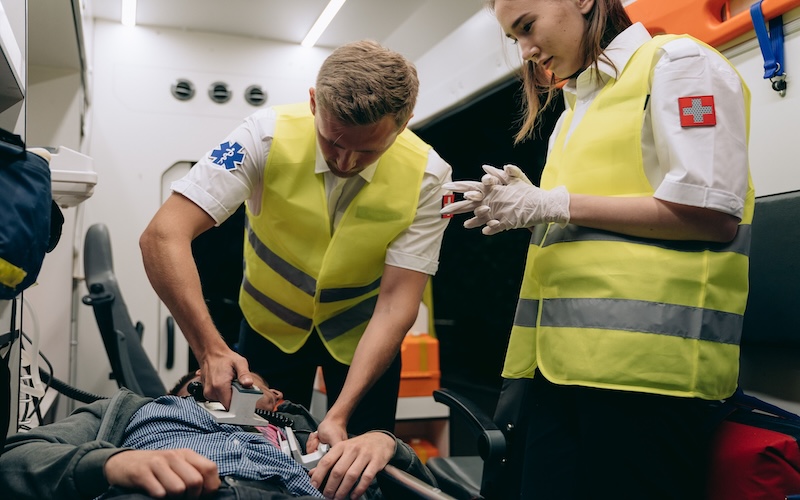
2. What Counts as an Emergency Under Medicaid?
Understanding what qualifies as an emergency helps answer does Medicaid cover ER visits more clearly.
An emergency medical condition generally involves symptoms serious enough that a reasonable person could expect delaying treatment to:
- Put your health in serious jeopardy
- Impair an important bodily function
- Cause serious dysfunction of an organ or body part
- Create a serious risk to your health or the health of an unborn child
Severe pain can also be an important factor for does Medicaid cover ER visits
The key point is that you do not need to know exactly what is wrong before going to the ER. If your symptoms reasonably appear serious, seeking emergency care is appropriate.
For non-urgent concerns such as routine medication refills or minor illnesses, a primary care provider or urgent care clinic may be more appropriate.
>>> Read more: Phone Number for Medicaid: Fast Ways to Get the Right Help
3. Are Emergency Room Visits Free With Medicaid?
Emergency room visits may cost little or nothing for many Medicaid beneficiaries, but “covered” does not always mean every patient pays $0. Cost-sharing rules depend on your state, eligibility group, and whether the care is considered emergency or non-emergency.
For emergency services, federal Medicaid rules generally prohibit out-of-pocket charges. States can have different cost-sharing rules for some non-emergency use of the emergency department, subject to federal requirements.
If you receive a bill after an ER visit, don’t assume you automatically owe the amount shown. Medicaid claims can take time to process, so first check does Medicaid cover ER visits or contact the plan to understand the charge.

4. What Is Not Covered by Medicaid?
While does Medicaid cover ER visits is generally answered yes for qualifying emergencies, Medicaid does not cover every healthcare service or treatment.
Depending on your state, services that may have limited or no Medicaid coverage include:
- Cosmetic procedures that are not medically necessary
- Certain experimental or investigational treatments
- Some elective services
- Certain products or services excluded from your Medicaid benefit
Emergency care also has special protections. A managed care plan generally cannot deny an emergency service simply because you went to an out-of-network emergency facility when the circumstances met the emergency standard.
So, why didn’t Medicaid cover my ER visit? A denial does not necessarily mean that Medicaid refuses to cover emergency care. The problem could involve an incorrect claim, missing information, a non-covered service provided during the visit, or another coverage issue.
Review the denial notice or claim explanation and contact your Medicaid plan if something doesn’t look right. You may be able to request a correction, reconsideration, or appeal.
>>> Read more: How to Transfer Medicaid to Another State: Easy Moving Guide
5. What to Do After an ER Visit to Avoid Billing Problems
Once the immediate crisis is behind you, a little paperwork can save you a lot of trouble later.
- Check your Medicaid information: Make sure the hospital has your current Medicaid and managed care plan details.
- Review your bills: Don’t pay a bill automatically before checking whether Medicaid has processed the claim.
- Keep your records: Save discharge papers, test results, prescriptions, and other documents related to the visit.
- Follow up as instructed: Schedule any recommended appointments and complete additional treatment promptly.
- Contact your plan about unexpected charges: Ask why a claim was denied or a balance appeared, and whether you can request a correction or appeal.
These simple steps can help you catch billing problems early rather than letting them snowball.
6. Staying Connected Matters During Medical Emergencies
Emergency care doesn’t always end when you walk out of the ER. You may need to arrange follow-up visits or respond to messages from your Medicaid plan. Having a reliable phone can make those next steps easier.
If you receive Medicaid, you may also qualify for the Federal Lifeline Program, which helps eligible households reduce the cost of qualifying phone service or internet service.
And for your information, Medicaid is one qualifying pathway, but eligibility can also be based on household income or participation in other qualifying assistance programs like SNAP, SSI, etc.
Lifeline benefits are delivered through participating Eligible Telecommunications Carriers (ETCs). Cintex Wireless is one such ETC, providing Lifeline-supported wireless service to eligible customers.
Depending on your eligibility, location, and current offers, you may be able to get a free or discounted phone paired with a service plan that includes the Lifeline discount, with benefits such as talk, text, mobile data, and physical SIM or eSIM options.
Cintex Wireless is merging with AirTalk Wireless, making it easier for eligible applicants to browse service and device choices in one streamlined experience.
The transition can also open the door to a broader range of available device offers, with the options you see depending on your location, eligibility, and current inventory.
Here are some examples of devices that may be available through the carrier. Actual device options depend on your eligibility, location, current offers, and the carrier’s available stock.
While researching does Medicaid cover ER visits, don’t overlook the importance of staying in touch with your doctors and caregivers after an emergency room visit.
Note: Eligibility varies by state and program. Offers depend on availability and qualifications. Cintex Wireless and AirTalk Wireless operate under the federal Lifeline Program as an Eligible Telecommunications Carrier (ETC). Service is non-transferable and limited to one service per household.
7. FAQs
Does Medicaid cover emergency ambulance transportation?
Yes, Medicaid generally covers emergency ambulance transportation when it’s medically necessary. Coverage for non-emergency ambulance transportation varies by state and medical circumstances.
Can I go to any emergency room with Medicaid?
Generally, yes. Under federal law, emergency services are covered regardless of whether the hospital participates in your Medicaid network if a prudent layperson would believe an emergency exists.
Does Medicaid cover emergency care while traveling to another state?
It may. Medicaid can cover out-of-state emergency services when a true medical emergency occurs, although routine healthcare outside your home state is generally much more limited.
Can I appeal if Medicaid denies my emergency room claim?
Yes. If Medicaid denies coverage, you typically have the right to request reconsideration or file an appeal. Review the denial notice carefully, gather supporting medical documentation if needed, and follow your state’s appeal instructions within the required deadline.
Conclusion
The short answer to does Medicaid cover ER visits is yes, when you have a true medical emergency. However, coverage can vary based on your state’s Medicaid program, your Managed Care Plan, and the services you receive after emergency treatment.
Understanding what qualifies as an emergency, checking your benefits, and reviewing any bills or notices afterward can help you avoid unexpected costs.