The need to find an emergency dentist that take Medicaid often arises when a patient is in pain and requires an immediate solution. Coverage exists in most states, but finding a provider who accepts it takes a specific approach. Therefore, calling the wrong office wastes time you do not have.
This guide covers what emergency dental coverage usually includes, how to locate a provider, and the exact words to use on the phone.
1. Does Medicaid Cover an Emergency Dentist?
Yes, most state Medicaid programs cover emergency dental care for pain, infection, and injury.
Coverage for children under 21 is required nationwide through EPSDT, and it has to go beyond just pain relief. The federal rule requires states to cover relief of pain and infection, restoration of teeth, and ongoing maintenance of dental health for every enrolled child.
Coverage rules depend heavily on which state you live in and which Medicaid managed care plan you carry.
Note: A child’s benefit is set by federal law and does not change by state, while an adult’s benefit is set at the state level and can shift from year to year.
Who Can Be Covered?
Coverage depends on your age and which Medicaid category you fall under. These groups make up most emergency dental claims.
- Children and teens under 21, guaranteed dental coverage nationwide through EPSDT
- Adults, coverage level set by your state, from full benefits to extraction only
- Pregnant Medicaid enrollees, often eligible for expanded emergency dental benefits during pregnancy
- Managed care members, coverage follows the rules of your specific plan, not the state program as a whole
Which Dental Problems Need Urgent Care?
Not every toothache qualifies as an emergency under Medicaid rules. These symptoms usually do.
- Severe tooth pain that does not ease with over-the-counter medication
- Facial swelling or signs of infection
- A knocked-out or broken tooth from an injury
- Bleeding that does not stop after a dental procedure
2. How to Check Whether Your State Medicaid Program Covers the Emergency
Adult emergency dental coverage differs by state. This is a general reference, not a guarantee for your specific plan. The two steps below help you confirm your exact coverage before you call anyone.
3 Steps to Confirm Your Coverage
Confirming coverage takes a few extra minutes but saves you from a wasted trip. Follow these steps in order.
- Check your state Medicaid dental benefit through the state Medicaid portal
- Check your exact managed care plan name, since benefits differ between plans in the same state
- Ask the dental office directly whether your specific treatment is covered before you book
Which States Cover Emergency Dental Care
Coverage level falls into a few general patterns across the country. According to the Center for Health Care Strategies, state Medicaid programs generally fall into three tiers of adult dental coverage: no benefit, emergency-only, and broader restorative care.
This table shows where each pattern applies, though you should confirm exact 2026 details with your state Medicaid portal.
| State Coverage Level | Examples | What This Means |
| Emergency extractions only | Arizona, Florida, Mississippi, Nevada, Texas | Pain relief and extractions covered; routine care is not |
| No adult dental coverage | Alabama | Only children under 21 have guaranteed dental benefits |
| Broader emergency plus some restorative | Varies by state | Check your state Medicaid portal for exact benefits |
One more thing worth knowing: state Medicaid dental benefits aren’t locked in place. States add new benefits, and occasionally introduce new limits, during the year. If it’s been more than a few months since you last checked, don’t assume last year’s coverage still applies exactly as it did.
>>> Read more: Emergency Dentist Medicaid: What Coverage Actually Includes
3. How to Find an Emergency Dentist That Take Medicaid Near You
Only around 4 in 10 dentists nationwide accept Medicaid, and reimbursement rates that fall well below what private insurance pays are the main reason many practices limit how many Medicaid patients they take, even when they’re technically in-network.
A general search often comes up thin because of this, which is exactly why the methods below work better than a plain web search.
- Check your Medicaid card or member portal first; most managed care plans list network dentists directly
- Search your state’s official Medicaid provider directory
- Use the HRSA health center finder for Federally Qualified Health Centers, which accept all patients regardless of insurance
- Call the office and confirm they accept adult Medicaid specifically, not just pediatric
- Confirm your exact managed care plan name is accepted, since Medicaid is often split across multiple plans in one state
>>> Read more: Emergency Dentist That Accepts Medicaid for Adults
4. What to Say When Calling an Emergency Dentist
Front desk staff can only help if you give them the right information up front. A vague call about “having Medicaid” often leads nowhere. These four details move you to the front of the line faster.
- State your specific Medicaid managed care plan name, not just “I have Medicaid”
- Describe your symptom directly: pain level, swelling, bleeding, or a knocked-out tooth
- Ask if they can see you same day or next day for emergencies
- Ask them to verify your benefits before the visit so there are no surprise costs
5. What If You Cannot Find a Dentist With an Opening?
Sometimes the first few calls do not lead to an opening. This does not mean coverage does not exist for you. These four backup options usually resolve it.
- Call your Medicaid or dental plan directly and ask them to find an in-network opening for you
- Check health centers with dental services near you through the HRSA finder
- Ask the dentist’s office if they can refer you to another participating provider
- If pain, swelling, or bleeding is severe, go to the emergency department for immediate treatment
6. Your Medicaid Status Can Cover More Than Just the Dentist
You just confirmed your Medicaid plan covers this dental visit. That same card often unlocks a second benefit that has nothing to do with your teeth: a monthly phone bill discount through the Lifeline program.
Lifeline helps eligible households pay for phone or internet service, saving standard households up to $9.25 a month and households on Tribal lands up to $34.25 a month.
Since you already carry Medicaid, your household already meets the main qualifying rule. SNAP, SSI, Section 8, and Veterans Pension work too, as does income at or below 135% of the federal poverty guidelines.
Cintex Wireless is a federally approved Eligible Telecommunications Carrier that pairs the Lifeline discount with its own device promotion, so eligible applicants can walk away with a free 5G smartphone, unlimited talk and text, and $0 monthly service.
UPDATE: Cintex Wireless has merged into AirTalk Wireless, another carrier serving over 2 million households. Applications are processed faster than before, with more households qualifying for expanded device options.
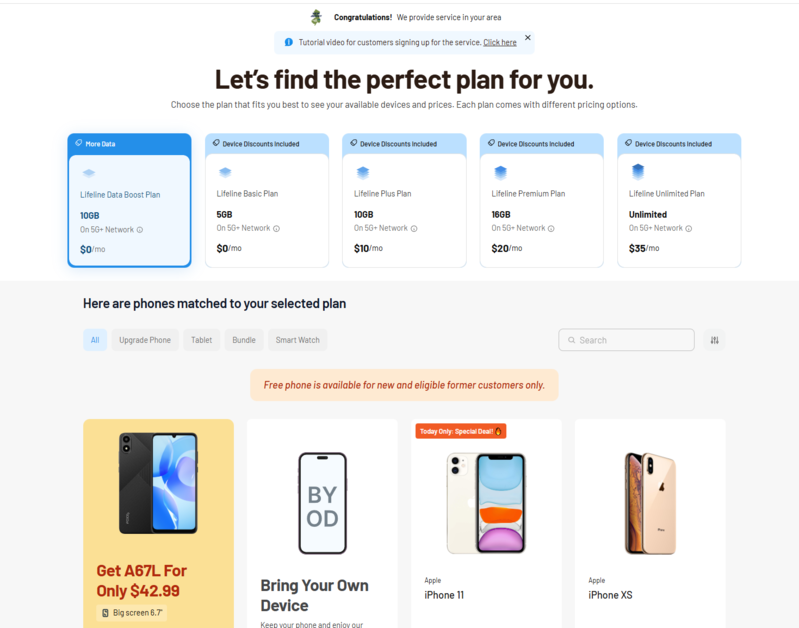
DISCLAIMER: Lifeline discounts your monthly phone or internet bill. It does not fund devices directly. A free phone comes from AirTalk Wireless as a federally approved provider, not from the government itself. Availability depends on your ZIP code, state, and current inventory.
7. Frequently Asked Questions
Q1. Will the ER do anything for a tooth?
An emergency room can treat pain and infection with medication, but it cannot fill, extract, or otherwise fix the tooth itself. You still need a dentist visit to resolve the underlying problem.
Q2. What if I have a dental emergency but no money?
Community health centers and Federally Qualified Health Centers accept all patients regardless of ability to pay. Find one at findahealthcenter.hrsa.gov, or check if your state Medicaid plan covers the visit.
Q3. Can I go to urgent care for a dental issue?
Urgent care clinics are not dental offices and generally cannot treat teeth directly. Some can prescribe antibiotics or pain relief, similar to an ER, but a dentist is still needed for the actual repair.
Q4. Does Medicaid cover an emergency tooth extraction?
Yes, in most states. Removing an infected or badly damaged tooth counts as treating pain and infection, so it falls under emergency dental care rather than routine or cosmetic work.
Q5. Can a dentist accept Medicaid but not my Medicaid plan?
Yes. Medicaid is often split across several managed care plans within one state, so a dentist may take one plan but not another. Always confirm your specific plan name before you book.
Conclusion
Finding an emergency dentist that take Medicaid comes down to checking the right directory and asking the right question on the phone. Confirm your specific plan is accepted before you show up in pain.
If you are already enrolled in Medicaid, that same eligibility may also qualify your household for a free Lifeline phone plan.