Anyone experiencing sudden and severe oral problems should seek emergency dental treatment immediately. In such a case, knowing where to go for fast care is critical, whether you have a toothache, a broken tooth, or any dental emergency.
Finding an emergency dentist Medicaid is especially important for people on a limited budget. This detailed guide will cover everything you need to get the right care promptly. Check it out below!
What Constitutes a Dental Emergency?
A dental emergency refers to any dental condition that requires immediate care.
Knowing when to seek emergency care and when to wait until your next visit is critical for avoiding future dental and health concerns.
However, not every tooth problem is an emergency. Common dental emergencies include the following:
- Severe tooth pain: Ongoing, severe tooth pain may indicate problems such as decay or infection.
- Broken or chipped teeth: A tooth that is cracked, broken, or chipped after an accident or injury may need urgent care to avoid further damage.
- Lost fillings or crowns: When a filling or crown falls out, the tooth can become exposed, leading to pain or an increased risk of infection.
- Dental abscess or infection: Infections in the teeth or gums can cause severe pain, swelling, and require prompt treatment.
- Mouth or jaw injuries: Trauma to the mouth or jaw can lead to broken teeth and other dental problems that may require emergency attention.
To evaluate if you should seek emergency dental care, ask yourself these questions:
- How much pain is there?
- Did one or more teeth come out?
- Do any teeth feel loose?
- Are there signs of infection?
- Is there blood?
What Is an Emergency Dentist Medicaid?
An emergency dentist Medicaid is a dentist or dental clinic that offers urgent dental care and takes Medicaid as payment.
This type of provider can handle serious dental problems that require immediate care, such as severe tooth pain, swelling, infection, damaged teeth, or other emergencies.
Finding an emergency dentist that accepts Medicaid is critical for Medicaid patients because it may help reduce or cover the cost of emergency dental care, depending on your state’s Medicaid benefits and the type of treatment needed.
Do note that Medicaid dental coverage, especially for adults, varies by state. While many states cover emergency dental services, the scope of benefits and provider availability can differ, so it is important to confirm details with your state Medicaid program.
>>>Read more: Does Medicaid Cover Dental Implants? Know Your Benefits

How to Locate an Emergency Dentist Medicaid?
Below are 2 simple ways to find an emergency Medicaid dental provider near you:
Check Official Medicaid Provider Directories
Most state Medicaid programs provide an official provider directory that includes dentists who accept Medicaid.
These directories are a helpful starting point, as they list providers who participate in the program.
When available, use filters like “emergency services” or “urgent care”. Some providers may offer same-day or walk-in appointments, but availability should always be confirmed directly with the clinic.
Call Clinics Directly
Directories are useful, but directly calling the clinics also works. When calling, be precise and detailed. You can ask:
- Are you currently accepting Medicaid for emergency dental visits?
- Can you see individuals with severe discomfort or infection today or within 24 hours?
- What papers should I bring to my Medicaid visit?
Being prepared helps you avoid misunderstandings and ensures you speak with an emergency dentist who accepts Medicaid, not a general dental facility with limited availability.
How Should You Act Until You See Your Emergency Dentist That Accepts Medicaid?
Knowing what to do before seeing your emergency dentist Medicaid is crucial as it helps avoid worsening the situation. Below are some useful tips:
- Dull toothache: Rinse with warm water, gently floss to remove any debris, and take an over-the-counter pain reliever if needed, following the instructions on the label. Do not place aspirin on your gums, and contact your dentist for an appointment.
- Broken braces: This is usually not an emergency unless there is bleeding. If a wire is poking your cheek or tongue, gently try to reposition it using a clean, blunt object if possible, or cover it with orthodontic wax.
- Small chip or crack: If there is no pain, it can usually wait until your dentist sees you. If a sharp edge is bothering your mouth, cover it with orthodontic wax.
- Something stuck between teeth: Try to remove it carefully with floss or an interproximal brush. Do not use sharp tools.
- Minor soft-tissue injury: Rinse with saltwater or antibacterial mouthwash, then apply pressure with clean gauze. If heavy bleeding continues after 15 to 20 minutes, seek immediate care.
Useful Tip to Stay Connected During Dental Emergencies
One thing many people may overlook in a dental emergency is ensuring they have a working phone and reliable service.
In emergencies, fast communication can matter just as much as treatment itself.
In fact, many Medicaid beneficiaries experience challenges such as limited phone access, unreliable service, and a lack of dependable internet.
That is where Lifeline can help. It is an active FCC program, a government assistance program that makes phone service or internet service more affordable for eligible low-income households.
Fortunately, Medicaid enrollment often qualifies people for Lifeline benefits, which can provide a free phone and tablet as well as monthly service.
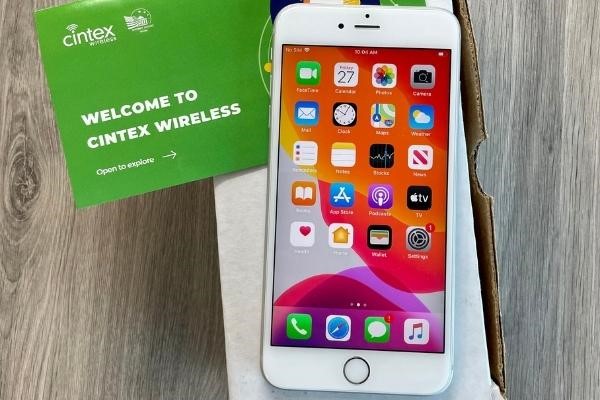
Please keep in mind that if you are qualified for Medicaid, you may open doors to access to a powerful communication package that eliminates monthly expenses.
If you’re not receiving Medicaid benefits, you may still qualify if you meet the income limit or participate in other qualifying programs like SSI, SNAP, Federal Public Housing Assistance, or Tribally-Administered Temporary Assistance to Needy Families (TANF).
The Lifeline program provides subsidies, while approved Eligible Telecommunication Carriers, such as Cintex Wireless, supply the service and equipment. Currently, it is merging with AirTalk Wireless to offer customers more device options.
Here is how to apply for your Lifeline benefits:
- Visit the AirTalk Wireless website and enter your ZIP code to view the available plans in your area.
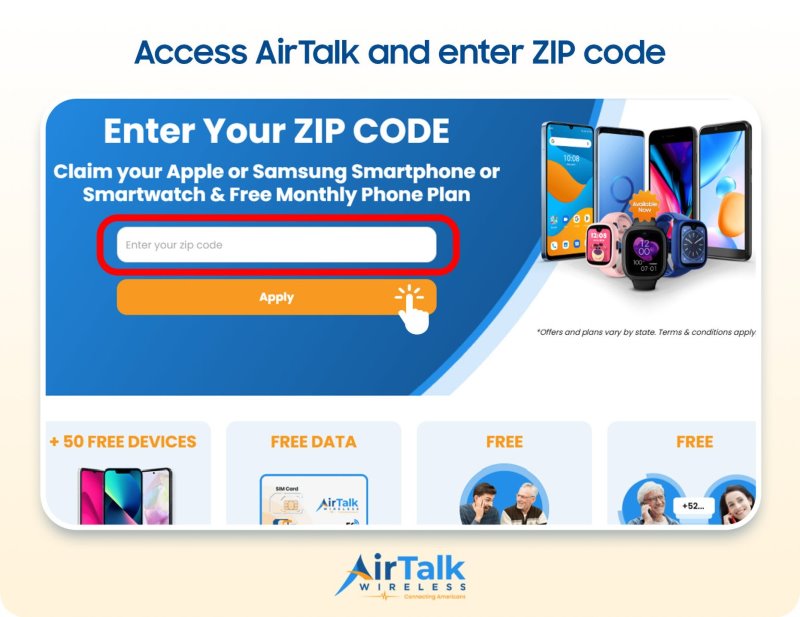
- Compare the available plan and device options (which may vary by region and current promotion) and choose the one that best fits your needs.
- Provide essential information to verify that you qualify through a participating assistance program or through your household income. You may also need to upload supporting documents if required.
- Complete the application and wait for the approval decision.
DISCLAIMER: Lifeline benefit is not transferable, meaning it may only be used by the person or household who qualifies. Furthermore, only eligible consumers can participate in the program, and each family is only eligible for one discount.
The government does not cover device costs, only basic service through Lifeline. Any free or discounted devices, upgrades, or top-ups are limited-time Cintex Wireless offers and may vary by state, eligibility, and availability. Terms and conditions apply.
Conclusion
Finally, knowing where to reach out to an emergency dentist Medicaid is critical for resolving serious dental conditions quickly. By being more aware of your options and knowing the need for timely care, you may improve your oral health. Don’t hesitate to seek help!