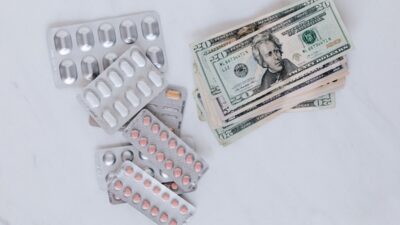
You pick up a prescription after your doctor’s appointment, only to find out the medication costs much more than you expected. It can be frustrating, especially when you’re already enrolled in Medicaid and assumed your prescription would be covered.
If you’re trying to find out does Medicaid cover prescriptions, you’re asking the right question before heading to the pharmacy. Understanding how prescription coverage works can help you avoid unexpected costs and know what options are available if your medication isn’t immediately covered.
1. Does Medicaid Cover Prescriptions?
Yes, Medicaid generally covers prescription drugs for eligible beneficiaries. However, the medications covered, cost-sharing rules, and approval requirements vary by state and Medicaid plan.
Coverage depends on your state’s Medicaid pharmacy benefit and whether the medication meets your plan’s coverage requirements.
Many medications are available with little or no out-of-pocket cost, although some prescriptions may require prior authorization, quantity limits, or step therapy before coverage is approved.

2. What Prescription Medications Does Medicaid Cover?
If you’re wondering does Medicaid cover prescriptions, the next question is which medications are actually included. While each state’s pharmacy benefit differs, most Medicaid programs cover several major categories of prescription drugs.
Generic and brand-name medications
Both generic and brand-name medications may be covered. Generic medications are often preferred because they usually cost less while containing the same active ingredients as their brand-name equivalents.
Some Medicaid plans may require trying a preferred generic option before covering a brand-name medication.
Brand-name medications may still qualify for coverage when no suitable generic alternative exists or when your healthcare provider documents that the brand medication is medically necessary.
Medications for chronic conditions
People managing long-term health conditions often rely on ongoing prescriptions, and Medicaid programs often cover medications used to manage chronic conditions, although the specific drugs included depend on the state’s formulary and plan rules.
Common examples include prescriptions used to treat:
- Diabetes
- High blood pressure
- Asthma
- Heart disease
- High cholesterol
- Depression and anxiety
When researching does Medicaid cover prescriptions, remember that affordable medication plays a key role in managing chronic conditions and helping prevent unnecessary hospital visits.
>>> Read more: How to Cancel Medicaid: A Simple Guide to Ending Coverage Safely
Preventive and preventive care prescriptions
Many Medicaid programs also cover medications that help prevent illness or manage health before problems become more serious.
Depending on your state and Medicaid plan, coverage may include preventive medications or services such as:
- Smoking cessation medications
- Birth control medications or supplies
- HIV prevention medications where covered
- Certain medications related to pregnancy care
Preventive care often lowers long-term healthcare costs by addressing medical needs before they develop into more serious conditions.
Specialty medications and high-cost drugs
Some Medicaid programs cover specialty medications for complex conditions, but these prescriptions often have additional requirements such as prior authorization, clinical documentation, or approval from the Medicaid plan.
Because these medications are often expensive, additional requirements may apply before coverage is approved. Your Medicaid plan may request prior authorization, supporting medical records, or documentation showing why other treatment options are not appropriate.
3. How To Check Whether Medicaid Covers Your Prescription
Even if the answer to does Medicaid cover prescriptions is generally yes, it’s still worth confirming that your specific medication is covered before you visit the pharmacy.
Review your Medicaid Preferred Drug List (PDL)
Most state Medicaid programs publish a Preferred Drug List (PDL) on their official Medicaid website or through their managed care plan. The list usually includes preferred drugs, medications that require prior authorization, and drugs with quantity or age limits.
Ask your pharmacy to verify coverage
Your pharmacist can often check your Medicaid benefits in real time before filling your prescription.
For example, if you’re prescribed a new cholesterol medication, the pharmacy can determine whether Medicaid covers it, whether prior authorization is needed, or whether a lower-cost generic option is available.

Contact your Medicaid health plan
If you’re still unsure does Medicaid cover prescriptions for a particular medication, contacting your Medicaid managed care plan is one of the most reliable options. Getting answers directly from your health plan helps you understand your benefits before treatment begins.
Talk with your healthcare provider about covered alternatives
If that happens, your healthcare provider may recommend an alternative drug that’s included on your Medicaid plan’s formulary. In other situations, they may submit documentation showing why the original prescription is medically necessary.
4. How Much Will You Pay If Medicaid Covers Prescriptions?
If you’ve confirmed does Medicaid cover prescriptions, your next question is probably how much you’ll actually pay at the pharmacy. The answer depends on your Medicaid program, the medication prescribed, and your state’s cost-sharing rules.
| Situation | What You May Pay |
| Covered generic medication | May have little or no cost depending on your state and eligibility |
| Covered brand-name medication | Cost-sharing rules vary by state and plan |
| Specialty medication | May require prior authorization before coverage applies |
| Medication not covered by your plan | You may need an approved alternative or pay out of pocket |
>>> Read more: Which Medicaid Plan Is Best? How to Compare Your Options
5. Affordable Way to Keep In Touch With Your Healthcare Benefit
Managing prescriptions often involves more than picking up medication. You still need to stay in touch with your provider to manage the healthcare benefit.
If you are looking for additional support with monthly expenses, the Federal Lifeline Program may be another option worth exploring.
The program provides assistance with qualifying phone service or internet service for eligible households. Eligibility may also be based on household income or participation in another qualifying assistance program.
Key things to know about Lifeline:
- It is a government assistance program designed to help eligible households reduce the cost of qualifying phone or internet service.
- Eligible households may receive a monthly discount of up to $9.25 for most households or up to $34.25 for those living on qualifying Tribal lands.
- The benefit is limited to one service per household and cannot be transferred between individuals.
- Lifeline-supported service is provided through participating Eligible Telecommunications Carriers (ETCs), like Cintex Wireless, which help approved applicants access available service options based on program requirements and availability.
Cintex Wireless has supported eligible Lifeline customers for years and has now merged into AirTalk Wireless, providing customers with a more streamlined way to explore available Lifeline-supported wireless services.
Depending on eligibility, location, and current offers, customers may also receive provider-offered benefits such as:
- A free or discounted smartphone
- Monthly talk, text, and data
- No annual contract
- No activation fee
- Dedicated customer support
Whether you’re checking whether does Medicaid cover prescriptions, requesting a refill, or staying in touch with your doctor, dependable phone service helps you manage your healthcare benefits with fewer interruptions.
DISCLAIMER: The government does not subsidize devices. Lifeline programs cover basic service costs only. Free or discounted devices, upgrade plans, or top-ups are exclusive benefits provided by Cintex Wireless and AirTalk Wireless as part of the promotional offers. Terms and conditions apply. Limited-time promotion—offers vary by state, stock availability, and eligibility.
6. FAQs
Does Medicaid cover prescriptions at every pharmacy?
Not always. Medicaid generally works with participating pharmacies, and each state or Medicaid managed care plan may have its own pharmacy network. Before filling a prescription, confirm that your preferred pharmacy accepts your Medicaid coverage.
Does Medicaid cover both generic and brand-name drugs?
Yes. Generic drugs are commonly covered because they offer a lower-cost option, while brand-name medications may also be covered when medically necessary or when no suitable generic alternative is available.
Do I need prior authorization for Medicaid prescriptions?
Sometimes. Certain medications, particularly specialty drugs or higher-cost brand-name prescriptions, may require prior authorization before Medicaid will cover them. Your healthcare provider can submit the required documentation if approval is needed.
Conclusion
For most beneficiaries, the answer to does Medicaid cover prescriptions is yes, but coverage depends on your state’s Medicaid program, your health plan, and the medication you’ve been prescribed.
Checking your Preferred Drug List, confirming coverage with your pharmacy, and speaking with your healthcare provider can help you avoid unexpected costs and treatment delays.