
Zepbound may be a choice for qualifying people seeking medical therapy for obesity or associated illnesses. However, purchasing the medication without insurance coverage can be costly.
If you’re asking if does Medicaid cover Zepbound, there is no ultimate answer since coverage varies by state and plan. This article will explain Medicaid coverage for Zepbound, how to verify your benefits, and potential alternatives.
1. Does Medicaid Cover Zepbound?
Zepbound (tirzepatide) is a prescription medication used to lose and control weight in individuals who are obese or overweight and have weight-related medical issues.
It is also utilized in the treatment of moderate to severe sleep apnoea (OSA) in obese people.
Unlike commercial insurance or Medicare, Medicaid does not have to cover weight-loss medications.
Federal law does not force states to cover anti-obesity medications. It means that if you have Medicaid, your coverage is totally dependent on your state’s laws.
As a result, it is best to check with your state Medicaid program directly to see does Medicaid cover Zepbound for weight loss.

2. Which States Cover and Don’t Cover Zepbound under Medicaid?
As of April 2026, 17 states cover Zepbound for chronic weight management with prior authorization, 23 states cover it only for off-label use in diabetes, and 9 states do not include weight-loss medications in their formularies.
Here are the details:
- Category 1: Coverage for chronic weight management in 18 states
Alaska, Colorado, Connecticut, Delaware, Hawaii, Illinois, Maine, Maryland, Massachusetts, Minnesota, New Jersey, New York, Oregon, Rhode Island, Vermont, Virginia, and Washington include tirzepatide (Zepbound) in Medicaid coverage for obesity treatment.
California ended Medi-Cal coverage of Zepbound for weight loss effective January 1, 2026; it now only covers Zepbound with prior authorization for obstructive sleep apnea.
- Category 2: Tirzepatide coverage generally tied to type 2 diabetes in 23 states
Alabama, Arizona, Arkansas, Florida, Georgia, Idaho, Indiana, Iowa, Kansas, Kentucky, Louisiana, Michigan, Mississippi, Missouri, Montana, Nebraska, Nevada, New Mexico, North Carolina, Ohio, South Carolina, Tennessee, and Utah generally restrict tirzepatide coverage to qualifying diabetes treatment rather than Zepbound specifically for weight management.
Coverage and authorization criteria depend on each state’s Medicaid program.
- Category 3: Weight-loss drug coverage excluded in 9 states/jurisdictions
North Dakota, Oklahoma, Pennsylvania, South Dakota, Texas, West Virginia, Wisconsin, Wyoming, and Washington, D.C. generally exclude medications prescribed specifically for weight loss from Medicaid coverage.
Patients should still verify their current plan benefits because formularies and coverage policies can change.
Note: Coverage status can change with little notice, especially given recent state budget-driven cuts to GLP-1 coverage. Confirm current formulary status directly with your state Medicaid program or MCO before relying on this list.
>>>Read more: Does Medicaid Cover Insulin? Coverage, Costs & Rules
3. What Requirements Can Medicaid Put on Zepbound Coverage?
Even when a state Medicaid program covers Zepbound, approval is not always automatic.
Although requirements vary by state and plan, Medicaid programs may use several criteria to determine whether the medication is medically necessary.
- Prior Authorization: Your healthcare provider may need to submit a prior authorization request before Medicaid will pay for Zepbound. This usually includes medical records showing that you meet the plan’s coverage criteria.
- Diagnosis and Indication: Medicaid may restrict Zepbound coverage to specific approved medical conditions. For example, some programs may cover it for a qualifying indication but exclude its use solely for weight loss.
- BMI or Clinical Criteria: Depending on the covered indication, you may need to meet a minimum BMI or other clinical requirements. Some policies also require documentation of related health conditions or diagnostic testing.
- Previous Treatment Documentation: Your plan may ask for evidence that you have tried lifestyle changes or other treatments before approving Zepbound. Certain programs may also require that a previous treatment be ineffective, contraindicated, or poorly tolerated.
- Prescriber Requirements: Some Medicaid programs may require that Zepbound be prescribed by or in consultation with an appropriate healthcare professional or specialist.
4. How to Check Does Medicaid Cover Zepbound in Your State?
To see if your Medicaid plan has included the drug on its formulary, you can:
- Go to the Zepbound coverage and savings webpage.
- At the top of the page, select “Government (other)” as your insurance type.
- Click “Check Your Coverage” to begin.
You might also contact your state agency to see does Medicaid cover Zepbound in your state.
If your request for coverage is refused, consult with your healthcare provider about appealing the decision.
5. Alternatives When Medicaid Doesn’t Cover Zepbound
If Medicaid does not cover Zepbound for your situation, there may still be other ways to access weight-management support at a lower cost. For instance:
- Community Health Center Programs: Federally qualified health centers and community health centers may provide affordable weight-management services for low-income or Medicaid-enrolled patients. Depending on the center, services may include medical evaluations, nutrition support, behavioral counseling, and medication management.
- Lower-Cost Medication Alternatives: Your provider may consider other weight-management medications included in your state Medicaid formulary, such as phentermine, orlistat, or naltrexone/bupropion. Coverage and medical suitability vary, so your provider should determine which option, if any, is appropriate for you.
- Lifestyle-Focused Programs: Comprehensive weight-management programs can focus on nutrition, physical activity, and long-term behavioral changes without relying solely on medication. Some related services may be available through Medicaid nutrition, preventive care, or behavioral health benefits, depending on your state and plan.
- 340B Drug Pricing Program: Certain eligible healthcare organizations participate in the federal 340B Drug Pricing Program, which allows them to purchase covered outpatient medications at discounted prices. Patients can ask participating health centers or hospitals whether lower-cost medication options are available through their programs.
>>>Read more: How Long Does It Take To Get Medicaid? Tips To Avoid Unnecessary Delays
6. Managing Ongoing Treatment? Staying Reachable Can Help
Attending appointments is sometimes not enough to manage continuing treatment.
You may need reliable phone service or internet access to communicate with healthcare providers, or follow up on prior authorizations.
Notably, if you participate in Medicaid, you may qualify for Lifeline, a federal program that helps eligible low-income consumers reduce the cost of phone or internet service.
Medicaid participation is one way to qualify; otherwise, you can also be eligible if your household income is at or below 135% of the Federal Poverty Guidelines, or you participate in a different assistance program like SSI, SNAP, etc.
Once qualified, you can obtain Lifeline service and lots of benefits from a participating Eligible Telecommunications Carrier (ETC).
Cintex Wireless is one of the ETCs that offers Lifeline-supported wireless services, and it is merging with AirTalk Wireless.
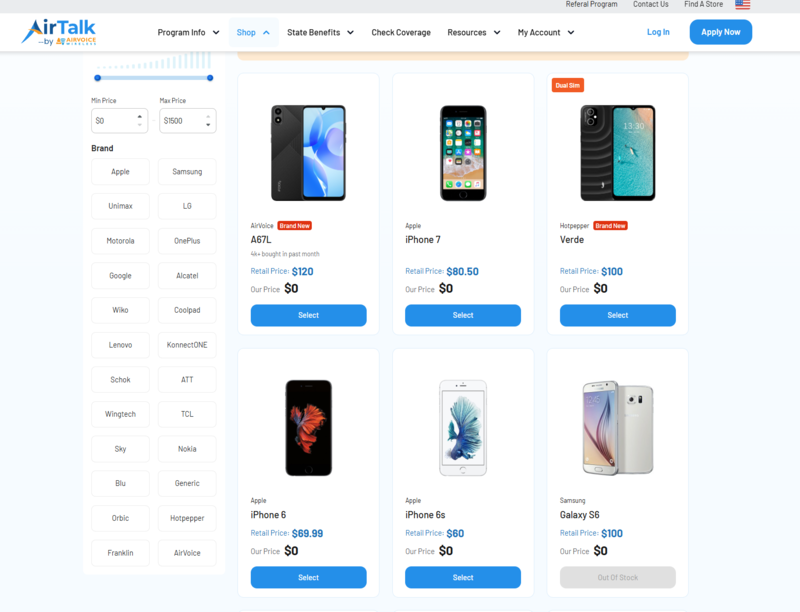
With such a change, applicants may expect a more simplified application process and a wider range of perks, such as:
- A discounted or free phone
- Free talk and text
- Free international calling to various regions
- Generous monthly mobile data
- Straightforward online application process
- No long-term contract, activation fee or credit check, etc
Conclusion
If you are considering Zepbound for weight management, the cost of treatment can be a major concern, especially when relying on Medicaid for prescription coverage.
So, does Medicaid cover Zepbound? The answer depends on your state, Medicaid plan, medical eligibility, and coverage requirements.