
Determining whether your income qualifies you for Medicaid in Florida can be difficult, especially since eligibility rules vary by family size and category.
Luckily, a Medicaid eligibility income chart Florida may make it easy to compare income criteria and determine where you stand. This article explains the important income restrictions, additional eligibility criteria, and a surprising benefit you may qualify for.
1. Medicaid Eligibility Income Chart Florida by Age Group
Medicaid eligibility is determined by your income relative to the Federal Poverty Level (FPL), which varies with household size.
To qualify, your income must be less than the given maximum as a percentage of the FPL.
The general Medicaid eligibility income chart Florida below describes the income eligibility for various age groups.
However, these numbers are often updated, so it’s better to check with the official government website for the most up-to-date information.
| Household Size | Adults 21-64 | Pregnant Individuals | Children (Ages 6-18) | Children (Ages 1-5) |
| 1 | $356 / month | $2607 / month | $1836 / month | $1929 / month |
| 2 | $478 / month | $3535 / month | $2489 / month | $2615 / month |
| 3 | $600 / month | $4463 / month | $3142 / month | $3302 / month |
| 4 | $723 / month | $5390 / month | $3795 / month | $3988 / month |
Note: These figures are for reference only and are not legal or financial advice. Income limits are updated periodically, so always confirm current numbers on the official Florida Department of Children and Families (DCF) or MyACCESS Florida website before making decisions based on them.
2. How to Determine Your Income Limit for Medicaid Florida?
Now you know the Medicaid eligibility income chart Florida. In fact, income is one of the most important factors in determining Medicaid eligibility.
To calculate your monthly maximum income limit, first determine your coverage group, then verify your household size, and then compare it to the income limit.

Determine Coverage Group
Start by identifying which Florida Medicaid coverage group best describes the person applying.
Different groups can have different income limits, so selecting the correct category is important.
Common coverage groups include:
- Parents and caretakers
- Pregnant women
- Infants under age 1
- Children ages 1 through 5
- Children ages 6 through 18
- Young adults ages 19 and 20
Verify Household Size
Next, determine how many people count toward your Medicaid household. Household size is generally based on your tax filing status and family relationships.
- Children who do not file a tax return: The household may include the child, parents living with the child, and qualifying siblings living in the same home.
- People claimed as tax dependents: The household generally includes the applicant, their spouse, the tax filer and spouse, and the tax filer’s other dependents.
- People who file their own tax return: The household generally includes the applicant, their spouse, and their tax dependents.
- People who do not file taxes and are not dependents: The household may include the applicant, a spouse living in the same home, and qualifying children living with the applicant and spouse.
Check the Maximum Monthly Income Limit
Once you know your coverage group and household size, compare your household income with the corresponding maximum monthly Medicaid income limit Florida.
Keep in mind that income limits may be updated over time, so always check the latest figures when determining your eligibility.
3. Other Criteria to Qualify for Medicaid Florida
Verifying the Medicaid eligibility income chart Florida is not enough to ensure your qualification.
The following requirements are also worth considering:
- Categorical eligibility: Florida Medicaid supports children through Florida KidCare, pregnant women, parents/caregivers of minor children, the elderly/blind/disabled (MEDS-AD), and long-term care beneficiaries (SMMC-LTC). Non-parent adults aged 19-64 who are not disabled are ineligible unless they qualify under another category.
- Residency: You must currently be living in Florida.
- Citizenship or immigration status: You must be a United States citizen or a qualifying immigrant.
- Medical need: It is necessary for SMMC-LTC (nursing home and HCBS). NFLOC is determined by the DOEA’s CARES Program using Form 3008 (Medical Certification for Medicaid Long-Term Care).
4. How to Apply for Medicaid Florida?
You can easily apply for Medicaid benefits in Florida through an online system. Follow these steps:
- Go to the official MyACCESS Florida website to begin your application.
- Sign in to your existing account or create a new account if you are a first-time user.
- Select Medicaid or medical assistance as the benefit you want to apply for.
- Provide accurate information about your household size and monthly income.
- Submit any requested documents, such as proof of identity and income, to support your application.
- Regularly check your mail and email for application updates or notices from the Florida Department of Children and Families (DCF).
- If DCF requests additional information or documentation, respond promptly to help prevent processing delays.
>>>Read more: Find An Emergency Dentist Medicaid To Avoid The Worst Situations
5. Additional Medicaid Benefits You May Qualify For
When checking your household income for Medicaid, it may also be worth seeing whether you qualify for the Lifeline program.
Lifeline is a federal assistance program that helps make phone service or internet service more affordable for eligible low-income households.
If your household income is at or below 135% of the FPL, you may qualify for Lifeline based on income.
Alternatively, participation in other assistance programs like Medicaid is also a qualifying pathway. People approved for Medicaid may be eligible for Lifeline even without completing a separate income-based eligibility check.
Moreover, participants can receive a discounted or free phone, free talk and text, monthly data, etc., through an Eligible Telecommunications Carrier (ETC) such as Cintex Wireless.
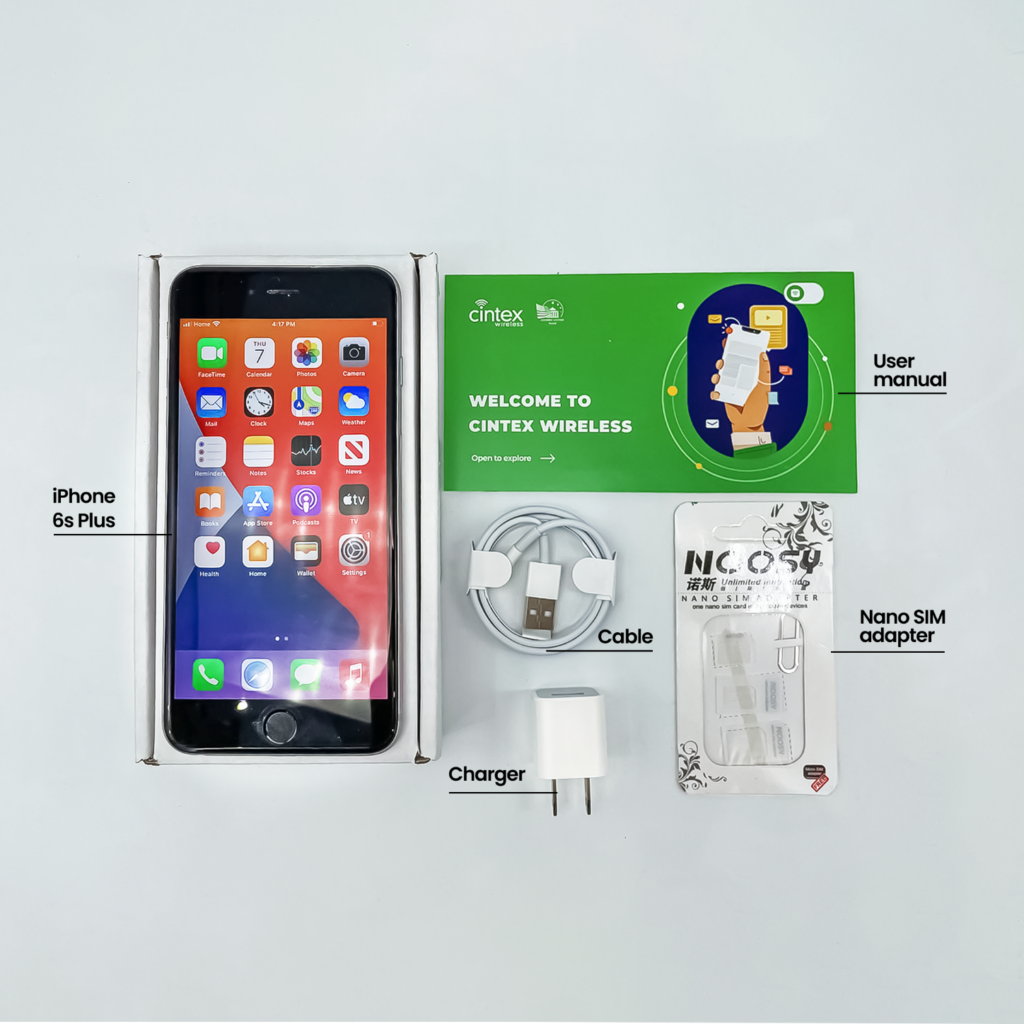
Currently, the company is merging with AirTalk Wireless, providing customers with a more streamlined application experience and access to a wider selection of devices, such as:
Please note that specific services and device offers depend on eligibility, location, and current availability.
DISCLAIMER: The government does not cover device costs, only basic service through Lifeline. Any free or discounted devices, upgrades, or top-ups are limited-time Cintex Wireless offers and may vary by state, eligibility, and availability. Terms and conditions apply.
FAQs
What is the Florida Medicaid income limit for one person?
There is no single Florida Medicaid income limit for one person. The limit depends on the applicant’s eligibility category, such as pregnancy, disability, age, or whether they are a parent or caretaker, and income thresholds can change annually.
Can an adult qualify for Florida Medicaid based on income alone?
Because Florida has not implemented the ACA Medicaid expansion, not all low-income people are eligible based only on income. Adults must also be eligible, such as being pregnant, a parent or carer, 65 or older, or having a qualifying impairment.
Does Florida Medicaid use gross or net income?
Many groups are evaluated using Modified Adjusted Gross Income (MAGI) rules, while certain programs for older adults and people with disabilities use different income-counting methods.
Conclusion
To conclude, understanding the Medicaid eligibility income chart Florida uses can give you a clearer idea of whether you or your family may qualify for coverage.
However, income limits can vary by eligibility group, household size, and program, and they may change over time. Thus, it is better to check the latest Florida Medicaid requirements before applying.