
West Virginia Medicaid does not use one income cutoff for everyone. A child, pregnant applicant, working-age adult, or person with a disability may all be measured under different financial rules.
The WV Medicaid eligibility income chart helps determine which income limit applies, but income is only one part of the eligibility decision.
1. What is West Virginia Medicaid?
West Virginia Medicaid is the state’s public health insurance program for residents who meet applicable income, household, and other eligibility requirements.
It is jointly funded by the federal and state governments and administered through the West Virginia Department of Human Services and Bureau for Medical Services.
Depending on the member and program, Medicaid can help cover services such as:
- Doctor and specialist visits
- Hospital and emergency care
- Prescription medications
- Behavioral health services
- Maternity care
- Preventive services
- Long-term care
- Other medically necessary treatment
Notably, WV PATH is West Virginia’s online benefits system for applying for and managing certain assistance programs, including Medicaid and WVCHIP. It can also help applicants review their benefits information and complete eligibility-related tasks online.

2. WV Medicaid Eligibility Income Chart
The WV Medicaid eligibility income chart provides general 2026 income guidance for several MAGI-based Medicaid groups. The applicable limit depends on your household size and whether you are applying as a child, pregnant person, or adult.
Below are the income limits based on the Federal Poverty Line (FPL):
- Children ages 0 to 1: Yearly income up to 163% FPL
- Children ages 1 to 6: Yearly income up to 146% FPL
- Children ages 6 to 19: Yearly income up to 138% FPL
- Pregnant women and their newborns: Yearly income up to 190% FPL
- Adults ages 19 to 65: Yearly income up to 138% FPL
For children, pregnant applicants, and most adults ages 19-64, West Virginia generally uses Modified Adjusted Gross Income, or MAGI, to determine financial eligibility.
For coverage effective April 1, 2026, West Virginia lists the following annual income limits:
| Family Size | Children Ages 0-1 | Children Ages 1-6 | Children Ages 6-19 | Adults Age 19-64 | Pregnant Women |
| 1 | $26,016 | $23,304 | $22,032 | $22,032 | *Minimum family size of 2, including unborn baby(ies) |
| 2 | $35,280 | $31,596 | $29,868 | $29,868 | $41,124 |
| 3 | $44,532 | $39,888 | $37,704 | $37,704 | $51,912 |
| 4 | $53,796 | $48,180 | $45,540 | $45,540 | $62,700 |
These figures are general guidance for MAGI-based eligibility and do not cover every Medicaid category. Older adults, people with disabilities, and applicants seeking certain long-term-care services may be subject to different income, asset, or medical requirements.
Therefore, West Virginia recommends confirming your circumstances with the Department of Human Services before relying on an income figure alone.
>>>Read more: How To Find Optometrist That Accept Medicaid In 2026? Updated Guide
How to Find the WV Medicaid Income Limit That Applies to You
Follow these steps to figure out your income limit:
- Identify Your Eligibility Group: Start by determining whether you are applying as an adult, a child, or a pregnant person, or through an aged, blind, disabled, or long-term care pathway. Each group can follow a different financial standard.
- Confirm Household Size: For MAGI-based Medicaid, household size generally follows the applicable federal tax household rules. The calculation can differ in situations involving pregnancy, dependents, or other household circumstances, so use the household definition that applies to your eligibility group.
- Compare Income With the Correct Limit: Once you know the eligibility group and household size, use the matching row and column instead of comparing your income to the adult limit by default. For example, a child under age 1 can qualify at a higher income than an adult in the same household.
- Check Whether MAGI Applies: West Virginia uses MAGI for pregnant women, children, and most adults ages 19-64. Certain income types, including child support, workers’ compensation benefits, veterans’ benefits, and some educational income, are not counted when determining MAGI.
- Check Separate Rules for Aged/Disabled Programs: Older adults, people with disabilities, and long-term-care applicants may face separate income, asset, and medical-need requirements. These groups should not rely only on the MAGI chart above when estimating eligibility.
3. Income Is Not the Only WV Medicaid Eligibility Requirement
Meeting the income limit does not automatically guarantee Medicaid approval. West Virginia considers additional factors based on the program for which a person is applying.
In general, applicants may need to:
- Live in West Virginia
- Meet the applicable income standard
- Meet citizenship or qualifying immigration requirements
- Fit an eligible Medicaid group
- Provide requested identity and household information
- Meet disability, medical, or long-term-care requirements when applicable
Asset rules also depend on the program.
MAGI-based groups generally focus on income rather than resources, while aged, disabled, and some long-term-care pathways may apply separate asset limits.
4. How to Apply for WV Medicaid?
The most direct option is to apply through WV PATH, West Virginia’s online benefits system.
The portal also provides a screening tool that can show programs you may potentially qualify for, although the screening result itself is not an official eligibility determination.
Applicants can also:
- Call the DoHS Customer Service Center at 1-877-716-1212
- Visit a local West Virginia DoHS office
- Submit the requested documents after starting the application
Before applying, gather proof of identity, household information, and current income records such as recent pay stubs, employer statements, or tax information.
Having residency or immigration documentation available when applicable is also crucial.
After reviewing your application, DoHS will send an eligibility notice explaining whether you qualify or whether additional information is needed. If you are approved, your Medicaid information and next steps for accessing coverage will be provided with the notice.
>>>Read more: How Long Does It Take To Get Medicaid? Tips To Avoid Unnecessary Delays
5. How Medicaid Eligibility Can Help Lower Monthly Telecommunication Services
Those reviewing the WV Medicaid eligibility income chart may still be unsure whether Medicaid will approve the application.
The income information can nevertheless be useful for Lifeline, because this federal program has a separate income-based pathway for affordable phone service or internet service.
Lifeline generally allows income-based qualification at or below 135% FPL. That means some households comparing West Virginia Medicaid limits may also fall within Lifeline’s financial range.
There is another route after the Medicaid decision. If your West Virginia Medicaid application is approved, Medicaid participation itself can establish Lifeline eligibility without relying only on the income test. Or the other programs like SSI, SNAP, etc., can also play the same role.
Lifeline benefits are provided through participating Eligible Telecommunications Carriers (ETCs).
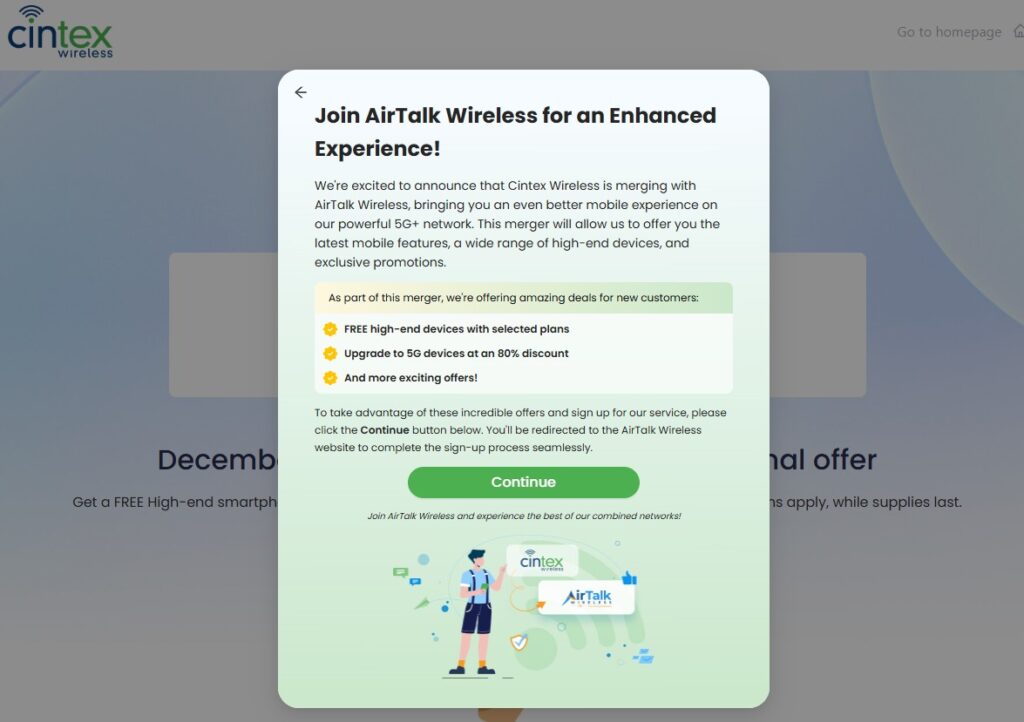
For instance, Cintex Wireless, which is one of the aforementioned ETCs, currently offers Lifeline service in West Virginia and is merging with AirTalk Wireless.
Depending on eligibility, location, and current offers, West Virginia applicants may find benefits such as:
- Unlimited talk and text
- Monthly mobile data
- International calling to supported destinations
- A free or discounted smartphone through provider promotions
DISCLAIMER: The government does not cover device costs, only basic service through Lifeline. Any free or discounted devices, upgrades, or top-ups are limited-time Cintex Wireless and AirTalk Wireless offers and may vary by state, eligibility, and availability. Terms and conditions apply.
Conclusion
The WV Medicaid eligibility income chart varies by age, pregnancy status, household size, and type of Medicaid coverage.
Comparing your income with the correct category is a useful first step, but residency, household circumstances, disability status, and other program rules can also affect the final decision.
WV PATH or your local Department of Human Services office can provide the official eligibility determination.