
Medicare and Medicaid may sound and be spelled similarly, but their eligibility and coverage are vastly different. However, certain people may be qualified for both programs.
In this basic guide to Medicare and Medicaid for dummies, we will go over how both programs function, how they vary, and how to find out whether you qualify.
1. Overview of Medicare and Medicaid for Dummies
On July 30, 1965, President Lyndon B. Johnson signed the Medicare and Medicaid Act, often known as the Social Security Amendments of 1965, into law.
Also, according to the Centers for Medicare and Medicaid Services, nearly 2 in 5 Americans are covered by Medicare or Medicaid.
Below is the general information you should know about each.
1.1 What is Medicare?
Medicare is a federal program that provides health care coverage to individuals 65 and older, as well as to those under 65 with certain conditions or disabilities.
Because it is a federal program, Medicare has established cost and coverage guidelines. Original Medicare coverage is generally standardized nationwide, although costs, provider participation, and private plan options may vary by location.
People on Medicare pay some of the costs through monthly premiums for medical and pharmacy coverage, deductibles, and coinsurance.
1.2 What is Medicaid?
Medicaid is jointly administered by the federal and state governments to provide health and long-term care coverage to children, low-income adults, parents, the elderly, and persons with disabilities.
The federal government establishes general rules for all state Medicaid systems, but each state manages its own program. This means that qualifying conditions and benefits differ by state.
Medicaid recipients often pay little or nothing for covered medical services, although some states may require modest copayments or cost-sharing for certain services.

2. Key Differences Between Medicare and Medicaid for Dummies
Now you know what is the difference between Medicaid and Medicare in simple terms. Then, let’s discover how they are different in more detail!
2.1 How They Are Different
The main differences between Medicare and Medicaid for dummies lie in their purposes, eligibility, covered services, and funding.
Look at this Medicare vs Medicaid chart:
| Factors | Medicare | Medicaid |
| Main purpose | To guarantee access to health insurance for older adults and the disabled. | To offer a safety net of medical and long-term care for low-income individuals and families. |
| Primary audience | Individuals 65+ and those under 65 with qualifying disabilities. | Low-income individuals of all ages, including people with disabilities. |
| Eligibility criteria | Generally, based on age, disability status, or qualifying medical conditions. | Based on income, assets, and categorical eligibility (varies by state). |
| Coverage | Hospital care (Part A), doctor visits (Part B), optional private plans (Part C), and optional Rx (Part D). | Varies by state. Typically covers doctors, hospitals, home and community-based services, long-term care, and dental care. |
| Funding | The federal government. | Jointly funded by the federal and state governments |
| Administration | The federal government. | Each state runs its own Medicaid program. |
>>>Read more: Does Medicaid Cover Physical Therapy In 2026? Benefits & Eligibility
2.2 How to Apply
One thing to note about Medicare and Medicaid for dummies is their application process.
There are three methods to apply for Medicare.
- Online: Go to the Social Security website and follow the instructions.
- By phone: Call the Social Security National Toll-Free Customer Hotline at 1-800-772-1213.
- In person: Visit your local Social Security office.
Unlike Medicare, which has defined enrollment periods, Medicaid allows you to apply at any time of year.
You may apply for Medicaid through your state’s Medicaid department or the Health Insurance Marketplace.
3. Can You Have Both Medicare and Medicaid?
Medicaid and Medicare are two separate programs, but you can qualify for both, which is called dual eligibility.
Medicare pays first for dual-eligible individuals receiving Medicare-covered treatments. Medicaid may help cover certain remaining healthcare costs after Medicare pays for covered services.
Many dual-eligible individuals receive prescription drug coverage through Medicare Part D plans. Meanwhile, Medicaid may cover some drugs that Medicare does not cover.
Who is eligible for both Medicare and Medicaid? If you qualify, here is how to apply:
- Step 1: Apply for Medicare
- Step 2: Apply for Medicaid
- Step 3: Submit supporting documents, such as proof of income, residency, etc.
>>>Read more: Medicaid Planning: An Ultimate Guide To Long-Term Healthcare
4. How to Maximize Your Benefits with the Lifeline Program?
Another outstanding difference between Medicare and Medicaid for dummies is that Medicaid recipients may automatically qualify for Lifeline benefits, whereas Medicare alone does not.
The Lifeline program is a federal initiative that helps eligible low-income individuals stay connected by providing discounted or free phone services and internet services.
However, service is non-transferable and limited to one service per household.
In addition to Medicaid, additional qualified programs include SNAP, SSI, Housing Assistance Program, Tribal Head Start, or fulfilling the Federal Poverty Guidelines at or below 135%.
Particularly, eligible individuals can receive a free smartphone or tablet from a reliable telecommunications provider such as Cintex Wireless.
These carriers collaborate with the government to provide free equipment, free talk and text, unlimited monthly data, and other benefits.
This allows you to receive critical communication support during urgent medical circumstances.
Note: Eligibility varies by state and program. Offers depend on availability and qualifications. Cintex Wireless operates under the federal Lifeline Program as an Eligible Telecommunications Carrier (ETC). Service is non-transferable and limited to one service per household.
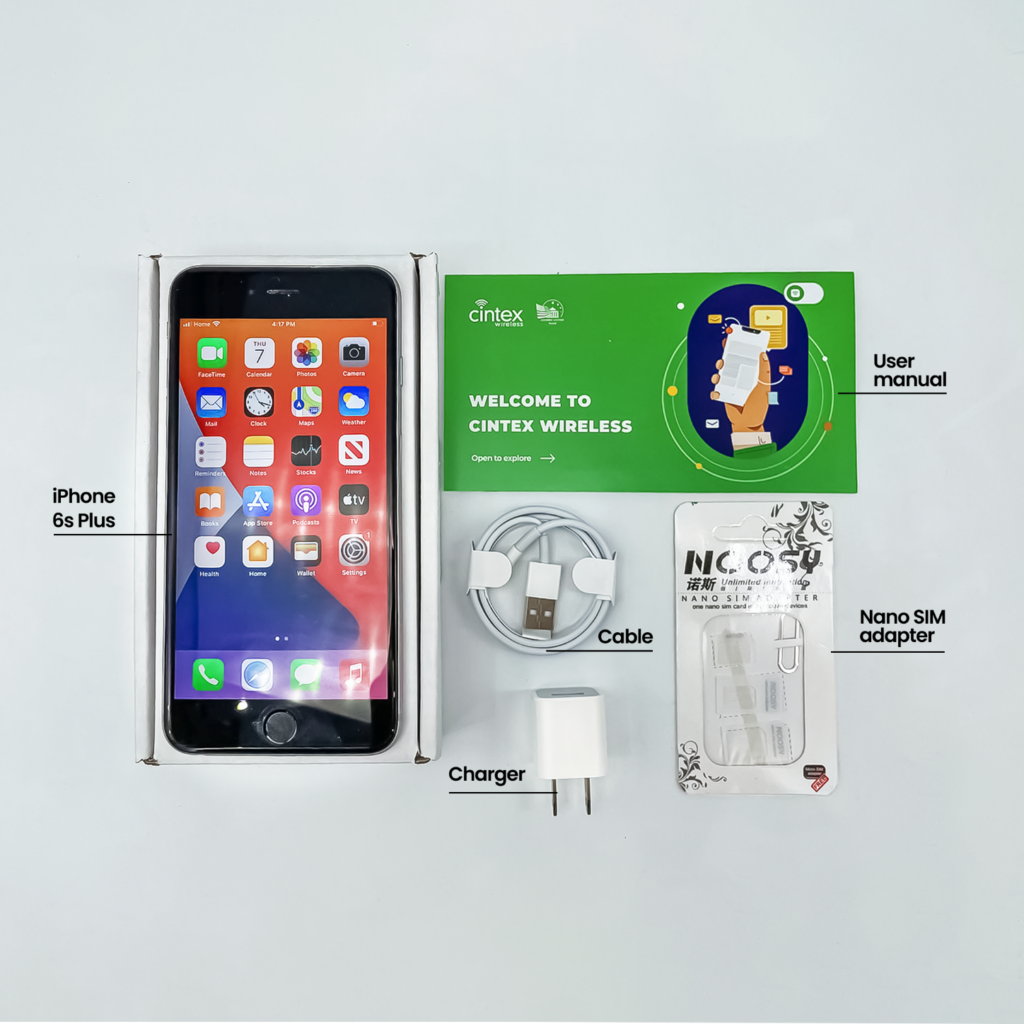
Note: Cintex Wireless is merging with AirTalk Wireless to offer more device options to qualified applicants. For example:
DISCLAIMER: The government does not cover device costs, only basic service through Lifeline. Any free or discounted devices, upgrades, or top-ups are limited-time Cintex Wireless offers and may vary by state, eligibility, and availability. Terms and conditions apply.
Frequently Asked Questions
What is the downside of having Medicaid?
While Medicaid provides essential health coverage, some drawbacks include that provider availability may vary depending on location and participating healthcare providers, longer wait times for certain specialists, and the possibility that not all services are covered.
What happens if your income changes?
An increase could affect your eligibility or cost-sharing requirements, while a decrease might allow you to qualify for additional benefits or subsidies.
Is Medicare free?
Medicare isn’t totally free. Although you most likely paid into the system through payroll taxes, you will still have to pay monthly premiums, deductibles, and coinsurance.
Conclusion
To summarize, for those asking what the difference is between Medicare and Medicaid for dummies, both are public healthcare programs supported through federal and state funding structures.
Yet they differ in their goals, eligibility, coverage, and application processes. Understanding these distinctions will allow you to get the most out of your benefits.