Does Medicaid cover NIPT test? Medicaid may cover NIPT (Non-Invasive Prenatal Testing) when it is considered medically necessary, but coverage rules vary by state and Medicaid plan.
Some programs limit coverage to certain pregnancy risk factors, while others may require additional documentation or approval before testing.
This guide covers what affects coverage, how to confirm yours before the blood draw, and what to do if Medicaid says no. You’ll also see what the test costs without coverage.
1. Does Medicaid Cover NIPT Test?
Medicaid may cover NIPT (Non-Invasive Prenatal Testing) when the test meets your state’s medical necessity requirements.
Coverage varies by state, and some Medicaid programs provide coverage mainly for pregnancies with specific risk factors rather than routine screening for every pregnancy.
NIPT is a blood test that screens for chromosome conditions like Down syndrome. Coverage rules exist because not every pregnancy needs it.
When Medicaid approves NIPT coverage, many pregnant members have little or no out-of-pocket costs. However, the exact amount you pay depends on your state’s Medicaid rules, your managed care plan, and whether the test meets coverage requirements.
2. What Can Affect Medicaid Coverage for NIPT?
Two people on Medicaid can get different answers about the same test. Four factors explain most of the difference. Each one is easier to handle once you know it exists.
State Medicaid Rules
Each state creates its own Medicaid coverage policies, so the same NIPT test may be covered differently depending on where you live.
Many programs that cover NIPT use medical criteria, provider documentation, or pregnancy risk factors to determine eligibility. For example, Alabama Medicaid’s published policy lists several situations that may qualify for coverage, including:
- Age 35 or older at delivery
- Ultrasound findings that suggest a higher chance of a chromosome condition
- A past pregnancy with a trisomy
- A positive result on an earlier screen, like the first trimester or quad screen
- A parent with a specific chromosome change that raises the risk of trisomy 13 or 21
Louisiana Medicaid has also used specific criteria for NIPT coverage, including certain risk factors and documentation requirements. Because Medicaid policies can change, members should confirm current requirements with their plan before scheduling testing.
Managed Care Plan Requirements
Most Medicaid members get care through a managed care plan. These Medicaid care plans follow the state’s policy, but they handle their own billing and approval steps.
That’s why your plan’s member services line can answer questions the state website can’t.
The NIPT Panel Being Ordered
Not every NIPT is the same test. A basic panel screens for trisomy 21, 18, and 13, and it’s the one most policies cover.
Expanded NIPT panels that screen for additional genetic conditions may have different coverage rules or may not be included under every Medicaid plan. Coverage usually depends on the specific test ordered and your state’s policy.
Moreover, many plans cover them only in specific cases, like a family history or an abnormal earlier screen. NIPT is also a screening test, so a positive result needs confirmation with diagnostic testing.
Authorization and Billing Requirements
Some Medicaid programs or managed care plans require prior authorization before NIPT testing, while others may not. Requirements can change over time, so confirming with your Medicaid plan before testing helps avoid billing problems.
When it’s required, your provider sends the request with supporting notes. The lab then bills with a specific code, and a missing form or wrong code can cause a denial even when you meet the criteria.
>>> Read more: Pregnancy Medicaid Florida: Get Faster Coverage (2026).
3. How Do You Confirm Your Medicaid Coverage for NIPT?
Confirming coverage before the blood draw avoids an unexpected bill later. Three steps cover the full process. Each one gets you closer to a definite answer.
- Call your OB-GYN: ask them to verify whether your specific Medicaid plan requires a prior authorization
- Get the CPT code: common billing codes include 81420 or 81507, useful when calling to verify coverage
- Contact Medicaid: call the member services number on your insurance card to confirm exact out-of-pocket costs
4. What Can You Do If Medicaid Doesn’t Cover Your NIPT Test?
If Medicaid doesn’t cover your NIPT test, start by finding out why, since the reason determines your next step. Four reasons come up most often:
- The test or panel doesn’t meet your plan’s policy
- A prior authorization or documentation problem blocked the claim
- An issue on the lab’s side, like a billing error or an out-of-network lab
- The order was for expanded screening beyond the covered reasons
Once you know the reason, you can act on it. If the problem is paperwork, ask your provider to fix it and resubmit.
If the test simply isn’t covered, ask your provider about a financial assistance program directly through the testing lab.
Some testing laboratories offer self-pay pricing programs or financial assistance options for patients without coverage. Available discounts and pricing vary by laboratory, so check directly with the testing provider.
How Much Does NIPT Cost Without Insurance?
Without coverage, NIPT typically costs $800 to $2,000, though prices can range from about $100 to over $2,000 depending on the lab and test options. Some direct-to-consumer labs offer a capped self-pay rate between $249 and $395 for patients without insurance.
Note: Prices are for reference only and vary by lab, test panel, and location. Confirm the exact price with your lab before you test.
>>> Read more: How Soon Can You Get WIC When Pregnant? 2026 Application Guide
5. If Medicaid Covers This Test, It May Help You With This Too
If Medicaid covers your NIPT test, that same pregnancy Medicaid eligibility can also help with your phone bill.
Lifeline is a federal program from the Federal Communications Commission (FCC) that helps low-income residents afford phone service and internet service.
Enrollment in Medicaid qualifies your household, and so does enrollment in SNAP, SSI, Section 8, or Veterans Pension, etc.
You can also qualify by income alone, at or below 135% of the federal poverty guidelines.
Do note that each household gets one discount, and it can’t be shared.
Besides the Lifeline discount, you may also have a chance to get a free smartphone through a Lifeline provider.
Specifically, an approved company, called an Eligible Telecommunications Carrier(ETC), applies the Lifeline discount to its own Lifeline service plan, which can include a free device and monthly service.
That’s why it helps to pick a trusted carrier with many users. A good choice is Cintex Wireless, an ETC known for its simple process.
The carrier has also been merged into AirTalk Wireless, another ETC that has been serving for more than 2 decades. This means that applicants who choose to apply to either carrier can access a broader phone choice and a more streamlined system.
Eligible applicants applying here may get:
- Unlimited talk and text
- Free international calling to over 200 countries and territories
- Roaming in 70 countries and territories (charges apply)
- 5G speed hotspot capacity (charges apply, coming soon)
- Exclusive rewards through the loyalty program
- A free SIM kit or eSIM
- Free WiFi calling
- Free calls to 911 (access may not work in all situations)
- Caller ID, call waiting, 3-way calling, and voicemail
- Nationwide coverage
- Dedicated customer support
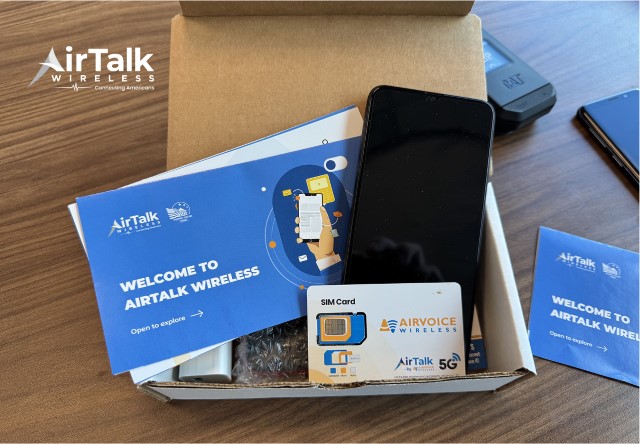
IMPORTANT: The government does not subsidize devices. Lifeline programs cover basic service costs only. Free or discounted devices, upgrade plans, or top-ups are exclusive benefits provided by AirTalk Wireless and Cintex Wireless as part of the promotional offers. Terms and conditions apply. Limited-time promotion—offers vary by state, stock availability, and eligibility.
6. Frequently Asked Questions
How does Medicaid decide coverage for genetic testing?
It looks at documented medical necessity under your state’s policy, and each state sets its own list of qualifying risk factors. Your OB-GYN can tell you which ones apply to you.
Is 14 weeks too late for NIPT?
No. NIPT usually starts around 9 to 10 weeks and stays an option for much of the pregnancy, so 14 weeks is still within the normal window.
Can you get the NIPT test for free?
If your Medicaid plan covers NIPT and you meet the coverage requirements, your cost may be low or $0 depending on your state’s Medicaid rules. Some laboratories may also provide financial assistance programs for patients without coverage.
What insurance covers NIPT testing?
Most private insurance plans, Medicare in specific circumstances, and Medicaid in many states all cover NIPT when it’s considered medically necessary, though the exact criteria vary by plan.
Conclusion
Does Medicaid cover NIPT test? Medicaid may cover NIPT when it is considered medically necessary, but approval depends on your state, Medicaid plan, and pregnancy-specific criteria.
Before scheduling the blood draw, ask your OB-GYN’s office to confirm whether your plan covers the test and whether any authorization is required. A quick check beforehand can help prevent unexpected costs later.