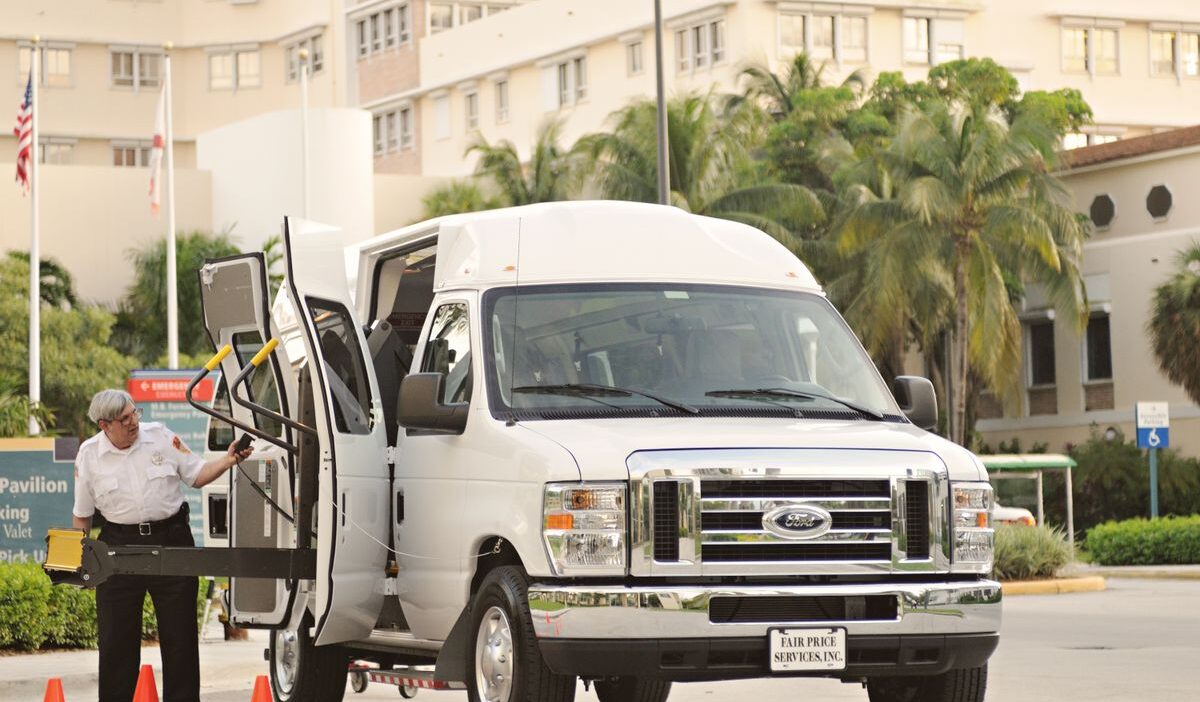
Searching for free transportation for medical appointments may lead to several programs, each with different eligibility rules, service areas, and scheduling requirements. Before relying on a ride, you need to know who arranges it, whether you will owe anything, and how you will get home afterward.
This guide compares five places to ask, explains the main coverage differences, and helps you prepare for a smoother appointment day.
1. Where Can You Find Free Transportation for Medical Appointments?
Start with your health coverage, then check local assistance if your insurance cannot arrange the trip. These five starting points offer different kinds of help; availability does not guarantee that every ride will be free.
| Starting point | Who should ask? | What help may be available? | What to check |
| Medicaid | Members needing help reaching covered care | Arranged rides, transit fares, or approved mileage reimbursement | Eligibility and authorization |
| Medicare Advantage | Members with a transportation benefit | Covered rides within plan limits | Destinations and remaining trips |
| Senior transportation programs | Older adults meeting local requirements | No-cost, discounted, or donation-supported rides | Age, residence, and fees |
| Healthcare facilities | Patients facing transportation barriers | Shuttles, vouchers, or assistance referrals | Funding and patient criteria |
| Nonprofit or volunteer services | People meeting program requirements | Volunteer rides or condition-specific assistance | Service area and driver availability |
Not every transportation program covers the full cost of a ride. Some offer free trips, while others provide discounted fares or reimburse approved travel expenses afterward.
Before booking, ask whether you’ll need to pay anything upfront and whether the return trip is included. If a program requests a donation, confirm that contributing is optional and won’t affect your eligibility for a ride.
2. How Does Medicaid Transportation Work?
Medicaid can help eligible members get to covered medical appointments when they have no suitable transportation available.
Under federal Medicaid rules, states must ensure necessary transportation to and from covered care. However, this doesn’t mean every member automatically receives a free private vehicle ride.
Transportation arrangements depend on your needs and the rules of your state’s Medicaid program.
Who Qualifies for Non-Emergency Medical Transportation?
You generally need active Medicaid coverage, an appointment for a covered service, and a transportation need that meets your program’s requirements.
Depending on your circumstances, Medicaid may arrange a ride, provide public transit assistance, or reimburse approved travel expenses.
Children receiving Medicaid services under EPSDT are also entitled to necessary transportation assistance.
Before making arrangements, contact your Medicaid health plan or state agency to confirm eligibility and any approval requirements.
How to Request a Covered Ride?
Call the transportation number on your Medicaid card or ask member services who schedules rides.
Have your member ID, appointment details, pickup address, and accessibility needs ready. Ask how early to book and whether approval is necessary before arranging your own driver or requesting reimbursement.
3. Can Medicare Help Pay for Medical Transportation?
Original Medicare generally does not pay for routine car, taxi, or rideshare trips to appointments. Having difficulty finding a driver does not, by itself, establish ambulance coverage.
Part B covers ambulance transportation under specific medical conditions, including when another vehicle could endanger your health. Certain non-emergency ambulance trips may qualify, but documentation and other requirements apply.
Once you have met your Part B deductible, your share is typically one-fifth of the amount Medicare approves for the covered ambulance trip. Review Medicare’s ambulance coverage rules before assuming a trip is covered.
Some Medicare Advantage plans offer routine transportation as an additional benefit. Call your plan before booking independently: confirm eligible destinations, mileage restrictions, approved transportation providers, and advance-notice requirements.
If you have both Medicare and Medicaid, check your Medicaid transportation benefits as well. Although Original Medicare generally doesn’t cover routine rides to doctor visits, your Medicaid program may help arrange transportation when you meet its requirements.
Also ask whether a round trip counts as two separate rides. This helps determine whether your plan offers free transportation for medical appointments or assistance with specific limits.
>>> Read More: Medicare Transportation Benefits: What Services Are Covered?
4. Where Can You Get Transportation Help Without Medicaid?
If you don’t qualify for Medicaid transportation, community organizations and healthcare facilities may still help you get to free transportation for medical appointments.
Some provide free rides, while others offer reduced fares based on eligibility or local funding. Here are a few places worth contacting.
Senior Transportation and Area Agencies on Aging
Older adults can contact their local Area Agency on Aging to ask about transportation assistance.
Not sure which agency serves your area? The Eldercare Locator can connect you with nearby programs. Call 1-800-677-1116 to ask about available services.
Some programs offer free transportation, while others charge reduced fares or accept voluntary donations. Confirm the cost and booking requirements before scheduling.
Local Ride Assistance Through 211
If you’re unsure where to start, dial 211 or visit 211.org to find local transportation resources.
Explain that you need help getting to a medical appointment and ask whether any free or volunteer ride programs serve your area.
211 provides referrals rather than operating the rides itself, so you’ll need to confirm availability with the recommended organization.
Hospital Assistance and Community Ride Programs
Your hospital or clinic may know of transportation assistance for patients who cannot afford a ride. Ask a social worker or patient navigator whether vouchers or other support are available.
For cancer-related appointments, the American Cancer Society’s Road To Recovery program offers free rides through volunteer drivers where available.
Call 1-800-227-2345 well before your appointment to check eligibility and driver availability.
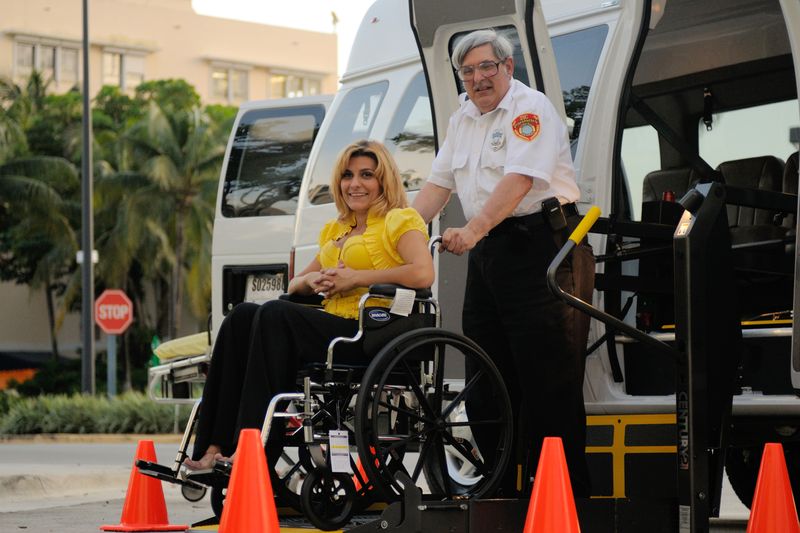
If you need an accessible vehicle or assistance during travel, explain those needs when requesting transportation so the program can determine whether it can accommodate you.
5. What Should You Confirm Before Booking Your Ride?
Before accepting a reservation of free transportation for medical appointments, confirm that both the appointment and your circumstances qualify. Ask whether there are fares, copayments, mileage expenses, or other charges, and whether any requested donation is optional.
Next, discuss the practical arrangements: required booking notice, pickup window, expected arrival time, wheelchair access, and caregiver accompaniment. Explain whether you can transfer into a vehicle independently or need additional assistance.
The return journey deserves its own confirmation. Some programs schedule a fixed pickup, while others require you to call when your appointment ends. Keep your booking reference and the dispatcher’s phone number handy, along with an alternative contact in case your driver arrives late or fails to appear.
Finally, ask how to cancel or update your reservation if the clinic changes your appointment. Programs offering free transportation for medical appointments serve scheduled, non-emergency travel. For a medical emergency, call 911.
6. Your Ride Is Booked but Can the Driver Reach You?
Arranging medical transportation can involve a lot of back-and-forth calls, especially when pickup times change or a driver is running late. Having a working phone makes it easier to stay in touch, but monthly phone bills can be another expense to worry about.
The Federal Lifeline Program may help lower that cost. You may qualify through Medicaid, SNAP, SSI, or household income at or below 135% of the Federal Poverty Guidelines.
Eligible households can receive up to $9.25 in monthly service discounts, or up to $34.25 on qualifying Tribal lands. Separate eligibility verification is required, and only one Lifeline benefit is allowed per household.
Qualifying for Lifeline doesn’t automatically activate phone service. You also need to enroll with a participating Eligible Telecommunications Carrier (ETC), which provides the service and applies the Lifeline discount to your plan.
Cintex Wireless is one such provider that offers access to Lifeline-supported wireless service and is merging into AirTalk Wireless, offering eligible applicants more service and device choices through a streamlined application experience.
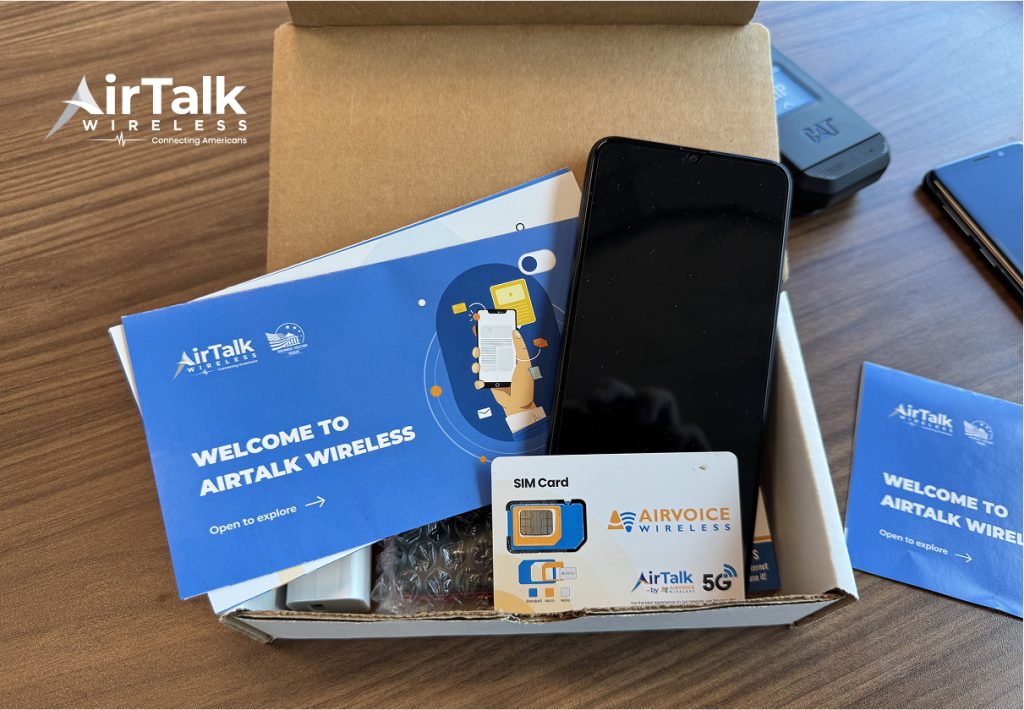
Some of the currently listed models include:
Service and device offers depend on location, eligibility, stock, and current terms; a particular phone or price is not guaranteed.
IMPORTANT: The government does not subsidize devices. Lifeline programs cover basic service costs only. Free or discounted devices, upgrade plans, or top-ups are exclusive benefits provided by AirTalk Wireless and Cintex Wireless as part of the promotional offers. Terms and conditions apply. Limited-time promotion—offers vary by state, stock availability, and eligibility.
Conclusion
Finding free transportation for medical appointments starts with your health plan and local assistance programs.
Confirm costs, accessibility, booking requirements, and your return trip before appointment day. Keep the transportation provider’s contact information available so you can resolve changes and get home with less uncertainty.