
Looking for a more affordable place to live in Florida? Low income apartments Miami help you secure a safe home on a budget. Affordable housing is rental units with costs capped for households earning below a set income level. These units help you spend a smaller portion of your paycheck on housing. You can qualify based on your 2026 household size.
Read the guide below to start your application today.
1. What Are Low Income Apartments Miami?
Low income apartments Miami provide housing for residents with limited monthly earnings. These units typically serve households earning between 30% and 80% of the area median income (AMI).
In recent estimates, a family of four may qualify at around $99,100 for 80% AMI programs, though limits change annually. Developments like Northside Transit Village or Cedars Grove offer modern spaces often ranging from 36 to 100 square meters. These properties focus on essential housing for the elderly and working families.
Low income apartments in Miami falls into three main groups:
- Income-based housing: Rent levels change based on your actual monthly pay.
- Income-restricted apartments: Rent stays at a fixed rate, but your household income must remain below a set limit.
- Subsidized housing: Programs like Section 8 or housing vouchers cover part of your rent to a private landlord.
Please note that not all “cheap apartments” qualify as official low-income housing. Many standard listings lack the rules that protect your rent price. Always check the specific eligibility rules before you apply for a unit.

>>> Read more: What Is Considered a Low Income Household in the U.S.?
2. Where to Find Low Income Apartments Miami (4 Main Ways)
You can find affordable housing in Miami through several different local channels. Each path has its own rules for rent and wait times. You should explore all four options to find a home that fits your budget.
2.1. City of Miami Affordable Housing Programs
The City of Miami supports local rental units through its Department of Housing and Community Development. These programs focus on both low and moderate-earners in the city center.
- City Units: The city partners with developers to build homes for residents.
- Location: Most of these properties sit near bus lines and rail stations to reduce your transit costs.
- Application: You often apply through specific city-sponsored lotteries when a new building finishes construction.
2.2. Miami-Dade Affordable Housing Resources
Miami-Dade County manages large-scale housing programs through the Public Housing and Community Development (PHCD) office. This agency handles the most popular assistance paths in South Florida.
- Subsidized Housing: PHCD manages thousands of units where rent stays very low.
- Waiting List: You must join a waiting list to receive a spot in these programs.
- Portals: Use the official county portal to check if the Section 8 waitlist is currently accepting new names.
2.3. Income-Restricted Apartment Communities
Private companies own many low income apartments Miami using federal tax credits. These buildings look like standard rentals but have strict income caps for all tenants.
- Direct Access: You apply at the leasing office of the building instead of a government office.
- Speed: These properties often move faster than county waitlists.
- Unit Size: You can find modern units ranging from 35 square meters for studios to 85 square meters for family suites.
2.4. Apartment Listing Websites
Digital platforms like Apartments.com and Zillow list thousands of rentals across Miami. These sites help see photos and compare building features.
- Filters: Use the search filters to find “Income Restricted” or “Affordable” homes.
- Verification: You must call the landlord to confirm they follow official income rules.
- Accuracy: Some listings show low prices that do not include the required income limits. Always verify the details before you pay an application fee.
>>> Read more: What Is the Best Free Government Phone Program iPhone?
3. Where Should You Start First?
Choosing the right starting point for low income apartments Miami depends on your current timeline. The Miami housing market is very competitive, so your strategy determines how fast you move.
- Need housing fast: Start with income-restricted apartments and private listing sites. These properties manage their own applications, which is often faster than waiting for government aid.
- Want long-term support: Apply for city or county housing programs like Section 8 or Public Housing. These offer the lowest rent, but waitlists can be long.
- Not sure: You should apply to multiple paths at the same time. This is the best strategy because it gives you a “backup plan” while you wait for a voucher.
Note: Combine official programs with private options. Applying to five different places is better than waiting for just one.
4. How to Apply for Low Income Apartments Miami
The application process for low income apartments Miami requires you to be organized. Follow these steps to complete your application today.
Step 1: Identify Housing Type
Decide if you want a county-managed unit or a private income-restricted apartment. Each type has different income limits. For example, some units require you to earn below 50% of the Area Median Income (AMI), while others allow up to 80%.
Step 2: Prepare Documents
Gather your paperwork early to avoid missing short application windows. Most managers in Miami require:
- Identification: A valid driver’s license or state ID for all adults.
- Proof of Income: Your last two months of pay stubs, bank statements, or Social Security award letters.
- Household Size: Social Security cards and birth certificates for everyone in your home.
Step 3: Submit Applications
Submit your forms through the official Miami-Dade Housing portal or directly to property managers. Many city programs now use online systems like ZoomGrants or MyHousing for applications. If you do not have a computer, visit a Miami-Dade public library for free internet access.
Step 4: Monitor Status and Respond Quickly
Check your status in the applicant portal at least once a week. You must update your address and phone number if they change. If a manager calls or emails you, respond within 24 hours to secure your spot on the list.
5. Top 4 Mistakes When Applying for Low Income Apartments Miami
Applying for low income apartments in Miami in 2026 is highly competitive, so you must avoid simple errors that can delay your housing. Many renters lose their spots because they do not understand the specific rules for South Florida.
- Assuming all “affordable” units are income-based: Many apartments labeled as “affordable” are just lower-priced market units. True low income apartments Miami have legal rent caps tied to your income level.
- Applying to only one option: Demand in Miami is the highest in the country, with over 11 renters vying for each unit. You should apply to several properties to increase your chances.
- Ignoring eligibility requirements: Each building has specific 2026 AMI limits. For example, a family of four must often earn below $99,100 for 80% AMI units. Check these limits before you spend money on application fees.
- Missing follow-up communication: Property managers often move to the next person if you do not answer their call or email within 24 to 48 hours. Stay reachable to secure your spot.
6. Extra Benefits for Low-Income Households in Miami, Florida
If you qualify for low income apartments Miami, you may also qualify for additional programs that help reduce your monthly expenses. Many households combine housing support with these local and federal services to improve their financial stability.
6.1. Other Assistance Programs
- SNAP (Food Assistance): Receive monthly funds for groceries to feed your family.
- Medicaid: Access healthcare and doctor visits at little to no cost for eligible residents.
- Section 8 Housing Support: Use vouchers to lower your rent payments in the private market.
- Local Miami Assistance: Programs like the Senior Rental Assistance Program offer up to $500 in monthly aid for qualifying seniors aged 62 and older.
These programs help you manage your budget and make your housing more sustainable over time.
>>> Read more: How to Budget Money on Low Income: 5 Steps to Start Today!
6.2. Stay Reachable for Housing Updates with a Free Lifeline Phone
Staying reachable is vital when searching for low income apartments Miami. Landlords and housing offices often call waitlist applicants once before moving to the next person. Missing that call does not just delay your application; it can mean losing the opportunity entirely.
Because of that, having reliable phone service becomes part of the process itself. It is not only about finding listings, but about being available at the exact moment a unit becomes available.
If you participate in a federal program like SNAP or Medicaid, or meet federal poverty guidelines, you may qualify for support through the Lifeline program. Lifeline is a government assistance program designed to make phone service more affordable for eligible households, helping them stay connected when it matters most.
This benefit is provided through licensed companies like Cintex Wireless, which is an Eligible Telecommunications Carrier (ETC). It is important to understand that Lifeline service is non-transferable, limited to one discount per household, and only available to consumers who meet eligibility requirements.
Through participating providers, the Lifeline benefit is applied to your monthly service, making it easier to stay reachable throughout your housing search.
Providers like Cintex Wireless offer specialized plans for Florida residents. Depending on availability and location, eligible users in Miami may receive:
- Free monthly talk and text: Call housing agencies and employers without a bill.
- Data plan: Choose plans with 5GB/10GB/16GB or Unlimited GB of 5G data to browse listings and submit applications.
- Optional promotional smartphones: Receive a free or discounted device, such as an iPhone or a high-quality Android, to stay connected.
One notable advantage of choosing Cintex is its merger with AirTalk Wireless, a recognized provider, helping create a more efficient application process and an improved customer experience.
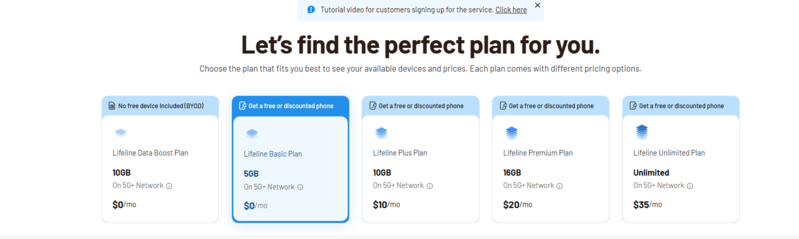
IMPORTANT: The government does not subsidize devices. Lifeline programs cover basic service costs only. Free or discounted devices, upgrade plans, or top-ups are exclusive benefits provided by Cintex Wireless as part of our promotional offers. Terms and conditions apply. Limited-time promotion—offers vary by state, stock availability, and eligibility.
>>> Read more: Free iPhone For Low Income: A Surprising Method To Stay Connected
Final Words
Finding low income apartments in Miami can take time, and that’s completely normal. The process tends to move slowly, but staying engaged with new openings and keeping your applications active can gradually move things forward.
When an opportunity does come up, timing matters more than it seems. Many landlords only reach out once, so being reachable in that moment can make all the difference. Having reliable phone service helps you stay ready without adding extra stress, especially when you’re already managing a tight budget.
It may not happen all at once, but with steady effort, things start to fall into place.