
What is WIC, and why do so many families rely on it today? If you’re trying to manage rising grocery costs while making sure your child gets the right nutrition, this is often one of the first programs people look into.
The details can feel confusing at first, especially when eligibility and benefits are not always explained clearly.
Below, you’ll find a simple breakdown of how WIC works, who qualifies, and what to expect in 2026.
1. What is WIC?
WIC (Special Supplemental Nutrition Program for Women, Infants, and Children) is a federal assistance program that provides healthy foods, nutrition counseling, and breastfeeding support to low-income families with children up to age 5.
To qualify, you or your children must meet specific categorical requirements and have a nutritional risk determined by a health professional.
IMPORTANT: This program safeguards health during critical development stages by providing essential nutrients. Millions of families now use WIC to support their household situation. Current benefits include:
- Higher Cash-Value: Up to $52 monthly for fresh produce.
- More Choices: Access to fresh, frozen, or dried fruits and vegetables.
- eWIC Cards: Simple, debit-style transactions at checkout.

2. What is WIC Eligibility?
After knowing what is WIC, you should know that to qualify for WIC in 2026, you must meet four specific criteria:
- Categorical (pregnant, breastfeeding, or a parent/guardian of a child under five)
- Residential (Live in the state where you apply)
- Income (household gross income at or below 185% of federal poverty guidelines)
- Nutritional Risk (a medical or dietary need determined by a health professional).
2025–2026 Income Guidelines
For the period of July 1, 2025, to June 30, 2026, your total household income before taxes must fall at or below the limits in the table below. Note that WIC counts an unborn child as a household member; for example, if you are pregnant with twins, you count as three people.
| Household Size | Annual Income (185%) | Monthly Income |
| 1 Person | $28,953 | $2,413 |
| 2 People | $39,128 | $3,261 |
| 3 People | $49,303 | $4,109 |
| 4 People | $59,478 | $4,957 |
For each additional family member, add $10,175 to the annual limit.
Adjunctive Eligibility
If you currently participate in certain other assistance programs, you may be considered income-eligible, though final eligibility is still confirmed by the WIC agency. This is known as adjunctive eligibility. You are considered income-eligible if you receive:
- SNAP (Supplemental Nutrition Assistance Program)
- Medicaid
- TANF (Temporary Assistance for Needy Families)
If you do not participate in these programs, a clinic staff member will perform a simple income screening during your appointment to verify your status.
IMPORTANT TIP: Always check the latest WIC income guidelines before applying to ensure you have the most current information.
>>> Read more: How To Get Wic If Income Too High: 3 Strategies For Families
3. What Does WIC Provide? The 2026 Food Package Upgrades
What is WIC food package in current years? As of April 13, 2026, the WIC food package has been upgraded to offer more choices and better nutrition.
These updates include increased Cash Value Benefits (CVB) for fresh produce, allowing families to purchase more fruits and vegetables monthly. The program has also expanded whole-grain options to include items like corn masa and pita bread.
Additionally, the package now transitions away from rice cereal to safer alternatives like oatmeal.
Below is a list of WIC products that support the system for your family’s health:
- Nutritious Foods: You receive monthly benefits for specific healthy staples. This includes milk, eggs, cheese, juice, cereal, peanut butter, and a wide variety of fruits and vegetables.
- Breastfeeding Support: The program offers one-on-one help from trained consultants. You can also receive free breast pumps and extra food benefits if you choose to breastfeed.
- Nutrition Education: You get access to personalized meal planning and tips on how to cook healthy meals on a budget. These sessions help you manage picky eaters and improve your child’s growth.
- Healthcare Referrals: WIC acts as a gateway to other medical services. Staff provides direct links to dental care, mental health support, and pediatricians in your local area.
These upgrades ensure you have the best resources to support your child’s development. By using these enhanced food packages, you can provide a diverse and healthy diet for your household while managing 2026 grocery costs.
>>> Find more: WIC Store Near Me: How to Locate Approved Stores Fast
Section 5: How to Apply for WIC Benefits Today
Nơ that you know about what is WIC, to apply for one, use the USDA WIC Clinic Finder to locate your nearest office.
In 2026, many states will offer virtual appointments via video call, allowing you to complete your certification without traveling to a clinic. You can often start your application online or by calling your local agency to set up your initial visit.
Follow these steps to complete your application and start receiving benefits:
- Locate a Clinic: Visit the official USDA locator website to find a clinic in your zip code. Select a map marker to view the clinic’s address, phone number, and hours of operation.
- Gather Your “Ready Folder”: Prepare your documents for the appointment. You will need to provide proof for each person enrolling in WIC:
- Identity Proof: A driver’s license, state ID, birth certificate, or passport.
- Residence Proof: A recent utility bill, lease, or postmarked mail showing your current street address.
- Income Proof: Current pay stubs for everyone in your home or proof of participation in Medicaid, SNAP, or TANF.
- Attend Your Certification Visit: Meet with a WIC nutritionist either in person or through a secure video chat. During this visit, a staff member will review your documents, discuss your family’s nutrition, and determine your final eligibility.
Once approved, you will receive your eWIC card and a specific food prescription designed to meet your family’s health needs. Your benefits are typically issued monthly and can be managed through your state’s WIC mobile app.
5. WIC vs. SNAP? Which One You Should Choose?
The main difference is how you choose your food.
WIC is “food-specific,” meaning you receive a prescribed package of nutritious items like milk, eggs, whole grains, and infant formula.
SNAP is “budget-specific,” providing a monthly dollar amount on an EBT card that you can spend on almost any grocery item, including meat, seafood, and even seeds to grow your own food.
| Feature | WIC (Women, Infants, & Children) | SNAP (Food Stamps) |
| Payment Type | eWIC Card (Prescribed Items) | EBT Card (Cash Balance) |
| Flexibility | Limited to specific brands and sizes | High flexibility for most groceries |
| Goal | Nutritional health for moms and kids | General food security for households |
Why You Should Apply for Both
In 2026, food inflation continues to impact household budgets. Families should use a “Dual-Enrollment” strategy to maximize their savings.
- Save Your SNAP for Variety: Use your WIC benefits first to cover expensive staples like milk, formula, and produce.
- Cover the Gaps with SNAP: Use your SNAP balance for items WIC does not provide, such as meat, poultry, or specialty dietary foods.
- Automatic Qualification: If you already have SNAP, you are “adjunctively eligible” for WIC, meaning you may skip parts of the income verification process.
Tip: Technology has made this easy with the eWIC card, which works like a standard debit transaction at the register. You can check your balance in real-time using apps like ebtEDGE or WICShopper to plan your trips accurately.
>>> Read more: How To Use WIC Online Walmart Easily? A Step-By-Step Guide
6. How to Get an iPhone at $0 for Low Income Users?
You may be able to receive a smartphone at little to no cost when you apply for Lifeline service through participating providers, known as Eligible Telecommunications Carriers (ETCs), such as Cintex Wireless.
Lifeline is a federal assistance program that provides a monthly subsidy to help reduce the cost of phone or internet service, while providers may choose to include promotional devices depending on availability.
Participation in programs like SNAP or Medicaid can help you qualify for Lifeline. While WIC is not a standard qualifying program on its own, some households receiving WIC may still meet eligibility requirements through their income or other approved programs.
Benefits of the Lifeline Program
Choosing a trusted ETC like Cintex Wireless allows you to stay connected with these benefits:
- Free 5G Smartphone: Receive a high-end device to run your state’s eWIC app and attend virtual medical appointments.
- Unlimited Talk & Text: Stay in constant contact with doctors, WIC nutritionists, and employers.
- FREE Monthly Data: Use data to manage your grocery balance and search for authorized retailers on the go.
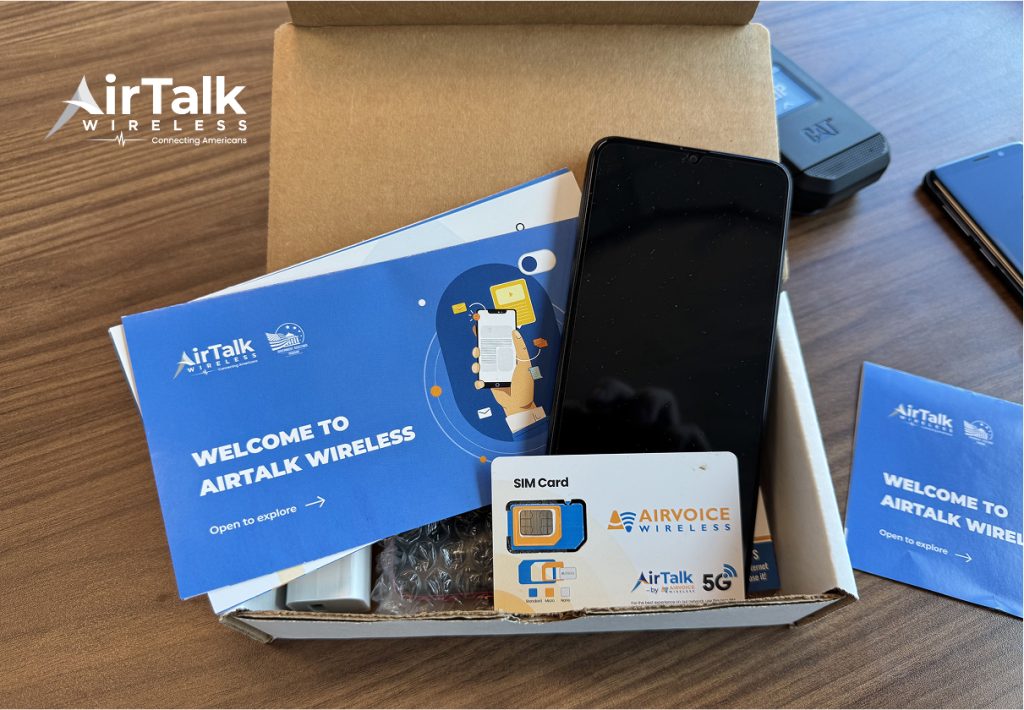
What’s more is that Cintex is currently merging with Airtalk Wireless, another well-known ETC with years of experience, which will result in an even more improved customer experience for subscribers.
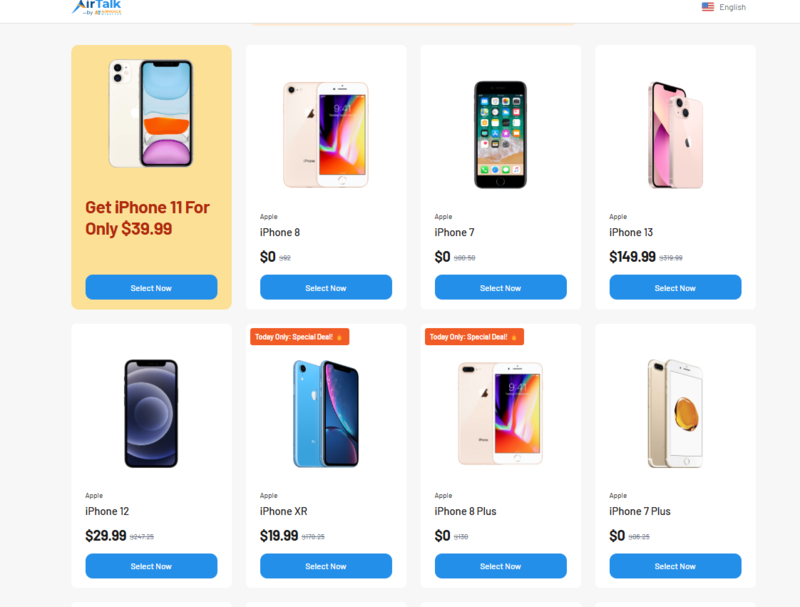
Free iPhone and Samsung Models for Eligible Users
While stock varies by state and provider, eligible users can often select from these popular 5G-capable or high-performance devices:
Many providers like AirTalk Wireless and Cintex Wireless also offer deeply discounted upgrades for newer models, such as the iPhone 11-15, for a small one-time fee.
Compliance Reminder: The Lifeline program is limited to one discount per household. You must verify your eligibility once a year to keep your free service and phone active.
>>> Read more: Top 10+ Free Phone Lifeline: Claim One at $0
Final Words
What is WIC is best understood through how it supports daily needs. It helps cover essential nutrition, connects you with health services, and supports your child’s early development.
Checking your eligibility and preparing your documents is the first step. Staying connected also matters for managing appointments and updates. If you qualify through programs like SNAP or Medicaid, Lifeline-supported services from participating providers such as AirTalk or Cintex may help reduce your phone costs, depending on availability.
The goal is simple: use the support available to keep your family on track.