When you suffer from severe tooth pain, swelling, or a dental emergency, the first priority is to receive care as soon as possible. At the same time, most adults are concerned about the cost. That is why they begin looking for an emergency dentist that accepts Medicaid for adults so that they may receive treatment without incurring an enormous cost.
This post will explain what you should search for and how to choose the best solution. You can also find useful advice for your appointment.
What Counts As a Dental Emergency?
Understanding what emergency dental care is allows you to make faster decisions and minimize service delays.
You should seek emergency dental treatment if you have:
- A severe toothache that continues even after using over-the-counter pain medicine
- Swelling in the face, jaw, or gums, especially if it spreads or makes it hard to breathe or swallow
- A dental abscess or any visible pus around a tooth or the gums
- A knocked-out, cracked, or broken tooth caused by an accident or injury
- Bleeding that does not stop after applying gentle pressure
- Injury to the mouth, jaw, or face that affects the gums or teeth
Many state Medicaid programs cover urgent, medically necessary dental services, although the exact benefits vary by state.
Some states provide wider coverage, including further restorative treatment once the emergency has been stabilized. Others provide more limited advantages, with an emphasis on pain relief and infection prevention.
If you’re not sure whether your condition qualifies as an emergency, describe your symptoms to the dentist when you call.
What is an Emergency Dentist That Accepts Medicaid?
An emergency dentist that accepts Medicaid for adults refers to a dental professional who provides emergency dental care while participating in the Medicaid program.
This indicates that the medical professional can assist adult patients who require immediate care for conditions such as acute tooth pain, swelling, bleeding, infection, or dental trauma, and is available to see them on short notice.
Finding this type of dentist is important because it increases your chances of receiving timely care and using your Medicaid coverage when available.
How Does Medicaid Dental Coverage Work?
Medicaid is a federal-state program, and federal law does not mandate adult coverage.
It is up to each state to determine whether to offer it. Therefore, the kind and extent of coverage vary significantly.
However, most state Medicaid programs must offer comprehensive dental coverage to children and teenagers under age 21.
On the other hand, adult dental coverage may range from emergency-only to comprehensive plans that include preventive and restorative services.
Generally, Medicaid can help pay for:
- Emergency examinations and problem-oriented visits
- Draining an abscess or treating an infection
- X-rays crucial to diagnose the condition
- Extractions for badly damaged or infected teeth.
- Limited restorative treatment that is medically essential.
However, keep in mind the following points:
- Children and youth are often better covered.
- Pregnant women frequently benefit from additional services during and after childbirth.
- Over time, states might enhance or reduce adult dental coverage.
- To take advantage of your Medicaid coverage, you must see a dentist who accepts your plan.
How to Find an Emergency Dentist That Accepts Medicaid for Adults?
Now you know how Medicaid works for dental emergencies. But the most important thing is how to find an emergency dentist that accepts Medicaid for adults.
Below are some potential methods:
Call Local Dental Offices
Calling nearby dental offices helps you determine whether they accept adult Medicaid recipients.
You may also find out whether they offer emergency appointments and when you can see them.
Because Medicaid coverage and provider involvement vary, calling ahead might save you time and save you from showing up to a clinic that does not accept your plan or cannot treat urgent situations.
Use Federally Qualified Health Centers
Federally Qualified Health Centers frequently offer dental treatments to low-income patients and may take Medicaid for adults, including urgent or emergency dental care.
They may offer reduced-cost services based on income through a sliding fee scale.
Hence, they might be a good choice if private dental offices in your region don’t accept Medicaid or cannot provide urgent appointments.
Use Online Search Tools
You can use online search tools or official Medicaid provider directories to locate an emergency dentist that accepts Medicaid for adults in your area.
Nevertheless, be cautious. Many of the results are advertising rather than confirmed Medicaid providers. Always double-check coverage before scheduling.
Ask for Referrals from Community Organizations
Community organizations can help connect you with dentists who accept Medicaid and are currently taking new patients. Referrals are available from WIC offices, local health departments, community centers, and other sources.
These organizations often help families navigate Medicaid dental coverage and provide up-to-date information on dentists accepting new patients.
>>>Read more: Can You Use WIC On DoorDash? A Detailed Guide On Food Benefits
Tips When Visiting an Emergency Dentist That Accepts Medicaid for Adults
If you find an emergency dentist that accepts Medicaid for adults, apply these tips before your visit for better results:
Verify the Dentist
Don’t forget to verify the dentist, or you’ll waste your time and get no results. Always confirm the following things:
- Do they accept your plan
- What services are covered under your plan
- Any copayments or out-of-pocket costs, etc
Prepare Documents
Before your appointment, prepare these documents in advance to avoid unnecessary delays:
- A valid state ID
- Your Medicaid card
- Any medical records or X-rays
- Medication list
- A parent or guardian if the patient is a minor
Get Urgent Healthcare Communication Support from Lifeline Program
In urgent situations, staying connected can be just as important as receiving treatment itself.
A working phone or internet connection can help you call an emergency dentist that accepts Medicaid for adults and speak with a clinic.
You can also arrange transportation, contact family, or get follow-up care instructions.
That is where Lifeline can help. It is a Federal Communications Commission program that makes phone service and internet service more affordable for eligible low-income households.
Especially, Medicaid recipients may automatically be eligible for Lifeline.
If not, the Lifeline benefits also extend to those who participate in qualifying programs like SSI, SNAP, Section 8, Tribal programs, or meet the income limit of the federal poverty guidelines.
Thus, what you should do is to apply through an Eligible Telecommunications Carrier to get a free government phone and other benefits.
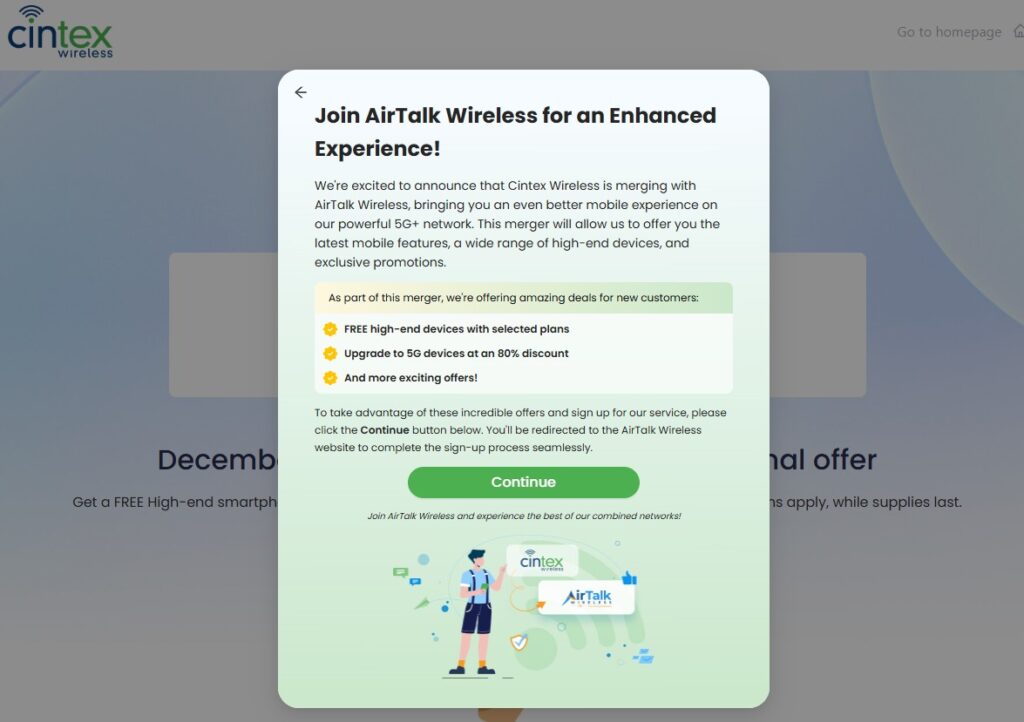
Cintex Wireless is a Lifeline provider that has supported eligible low-income users with phone service and device offers.
It is now being merged with AirTalk Wireless to improve support, speed up processing, and give applicants access to a broader device inventory.
Below are some popular models (may vary by state and current stock):
Note that the Lifeline service is not transferable and is restricted to one discount per home. Additionally, only qualified clients can enroll in the Lifeline program.

IMPORTANT: The government does not subsidize devices. Lifeline programs cover basic service costs only. Free or discounted devices, upgrade plans, or top-ups are exclusive benefits provided by Cintex Wireless as part of our promotional offers. Terms and conditions apply. Limited-time promotion—offers vary by state, stock availability, and eligibility.
Conclusion
When dental pain becomes impossible to ignore, finding an emergency dentist that accepts Medicaid for adults can feel urgent and overwhelming at the same time.
The last thing anyone wants in that moment is uncertainty about cost or coverage. While options may vary depending on where you live, taking a little time to check local providers and confirm your benefits can make a real difference.
With the right information, you can act quickly, get the care you need, and focus on feeling better instead of worrying about what comes next.