
Although braces can significantly improve oral health, they are typically too expensive for many families. That is why people frequently look for how to get free braces with Medicaid or reduce the cost of medically nessary orthodontic treatment.
This guide will explain how coverage works, who qualifies, and other necessary information.
Does Medicaid Cover Braces?
Medicaid coverage for braces varies widely by state. Each state has the right to establish its own Medicaid program and select which services are covered.
Some states provide broader dental and orthodontic coverage through their Medicaid programs, while others offer more limited benefits.
As a general rule, if the braces are only for cosmetic or aesthetic purposes, the procedure is unlikely to be covered.
In many states, Medicaid will only cover braces if the treatment is considered medically necessary.
As a result, you should visit your state’s Medicaid office or a local orthodontist knowledgeable about Medicaid laws to learn about possible coverage and how to get free braces with Medicaid.

Who May Qualify for Free Braces with Medicaid?
The first step in looking into Medicaid orthodontic treatment is to determine your eligibility.
Here are the key qualifying requirements for Medicaid-covered braces.
Braces for Children
Medicaid requires dental care for those under 21 under the Early and Periodic Screening, Diagnostic, and Treatment (EPSDT) program.
This includes complete examinations, diagnostic imaging, and required orthodontic treatment to rectify serious oral abnormalities affecting a child’s health.
Braces for Adults
Adult orthodontic coverage under Medicaid is much more limited and varies significantly by state. In many states, adult braces are covered only in very specific medically necessary cases.
Depending on the state’s rules, braces may be considered medically necessary in cases involving:
- Severe underbite (lower teeth protrude beyond upper teeth)
- Severe overjet (upper teeth protrude significantly)
- Crossbites involving multiple upper teeth sitting inside the lower teeth
- Open bites significantly affect bite function
- Impacted teeth
- Congenitally missing teeth
- Craniofacial anomalies
- Severe crowding or spacing
A Medicaid-participating dentist or orthodontist will usually evaluate the condition first, but final approval depends on your state Medicaid program’s review process and requirements.
Moreover, when submitting documents related to orthodontic coverage requests, make sure to present correct information about a medical concern affected by jaw or oral difficulties.
>>>Read more: Does Medicaid Cover Dental Implants? Know Your Benefits
How to Get Free Braces with Medicaid?
If you think you or your child qualifies for Medicaid, you must follow the proper steps on how to get free braces with Medicaid. Here are step-by-step instructions:
Get a Dental Exam
Begin with an assessment from a professional and Medicaid-approved orthodontist. They will examine your current oral condition to determine whether the demand for braces satisfies the “medically necessary” requirement.
Importantly, some orthodontists may offer free or low-cost consultations as part of their treatment plans.
Next, if the orthodontist determines that braces are medically essential, the orthodontist’s office may help prepare or submit prior authorization paperwork required by Medicaid.
The orthodontist will gather X-rays and photos, a written dental justification, as well as scores and assessments (varies by state).
Gather Documents
Typically, you will need to submit the following papers:
| Documents that show your eligibility for Medicaid | Proof of identity, your residence, income, and your Social Security Number |
| Documents that show the necessity and urgency of your dental treatment | – Orthodontic exam report and written evaluation – Panoramic or bitewing X-rays – Clinical photographs – A detailed treatment plan – Documentation linking the dental condition to functional impairment (chewing, speech, jaw development) |
Wait for Medicaid Reviews
Wonder how to get free braces with Medicaid?
Finally, your orthodontist will submit the request to your state’s Medicaid program. Then, Medicaid reviewers determine whether the condition meets their standards, a process that may take several weeks or longer, depending on the case.
If approved, Medicaid may cover some or all treatment costs according to the state’s reimbursement rules and treatment schedule.
How Much Do Braces Cost without Medicaid?
Without dental insurance or Medicaid, individuals or families may need to pay for braces themselves.
Traditional braces without insurance often cost several thousand dollars, although prices vary widely depending on the treatment type and location.
The price you wind up spending for braces depends on numerous factors, including:
- Age: Braces for children often cost less because their teeth are usually easier to move, and treatment may take less time.
- Brace types: Traditional metal braces are usually the most affordable, while options like ceramic braces can cost much more.
- Treatment length: More serious alignment problems often require longer treatment, which increases the overall price.
- Location: Orthodontic treatment is often cheaper in rural areas than in large cities.
- Orthodontist’s experience: Less experienced orthodontists may charge lower fees, which is why dental school clinics can sometimes be a more affordable choice.
>>>Read more: Does Aspen Dental Take Medicaid? Surprising Answer [LATEST UPDATE]
How Medicaid Participants Can Stay Connected with Lifeline Program
Even though you may not qualify for free braces, being a Medicaid recipient can offer you another benefit.
Medicaid is one of the direct Lifeline-qualifying programs under the current federal rules.
Lifeline is a federal initiative that helps eligible low-income households lower the cost of phone service, internet service, or bundled service, making it easier to manage appointments, school, work, and everyday communication.
Especially, when you apply for Lifeline through an Eligible Telecommunications Carrier like Cintex Wireless, you may acquire a free device as part of its promotional offer.
Nevertheless, the Lifeline discount is non-transferable and cannot be passed on to others. Each family is entitled to only one benefit, and the program is available only to qualifying customers.
Currently, Cintex Wireless is merging with AirTalk Wireless. As a result, applications may redirect to airtalkwireless.com.
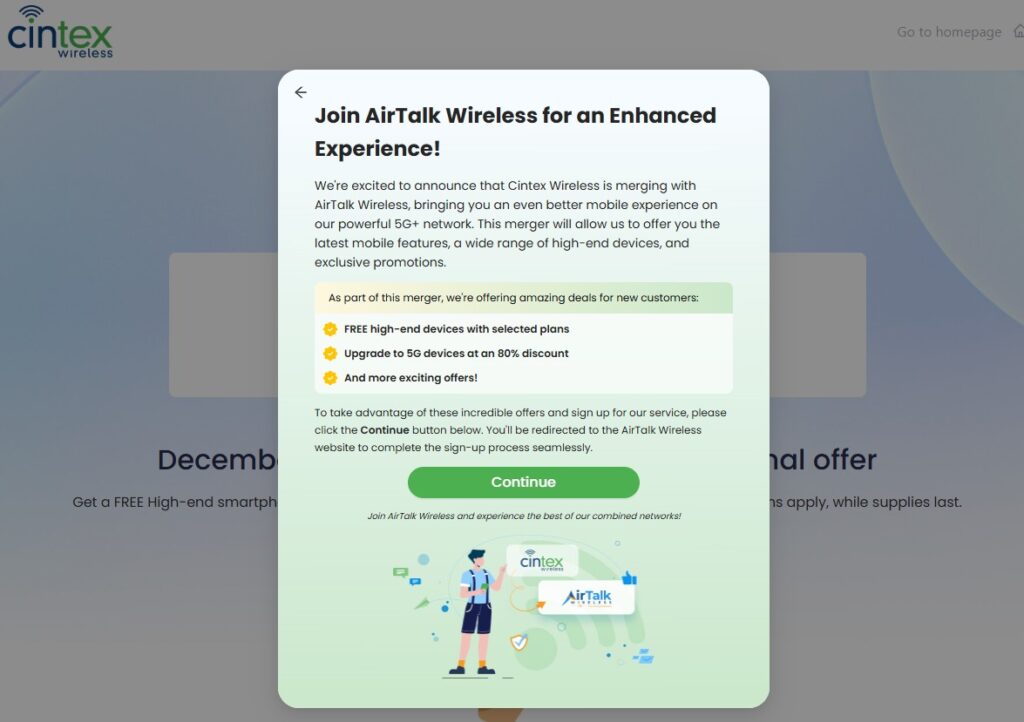
But don’t worry, the process is straightforward as follows:
- Visit the AirTalk Wireless website and enter your ZIP code to check which plans are offered in your area.
- Look through the available plan and device options, then choose the one that best suits your needs, such as iPhone 7, iPhone 11, Samsung Galaxy S21 5G, etc. Keep in mind that availability can vary by state and current inventory.
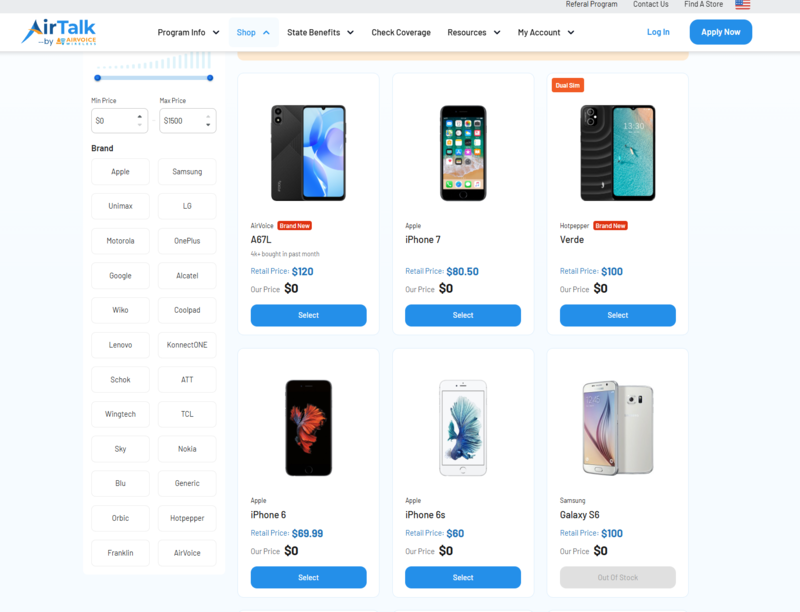
- Provide essential information, and upload supporting documents if required.
- Complete the application and wait for the approval decision. If approved, your device will be shipped to the address you provided.
IMPORTANT: The government does not subsidize devices. Lifeline programs cover basic service costs only. Free or discounted devices, upgrade plans, or top-ups are exclusive benefits provided by Cintex Wireless as part of our promotional offers. Terms and conditions apply. Limited-time promotion—offers vary by state, stock availability, and eligibility.
Conclusion
Understanding how to get free braces with Medicaid can help families access essential orthodontic care without the financial burden. Take full advantage of the program to improve their oral health and quality of life today!