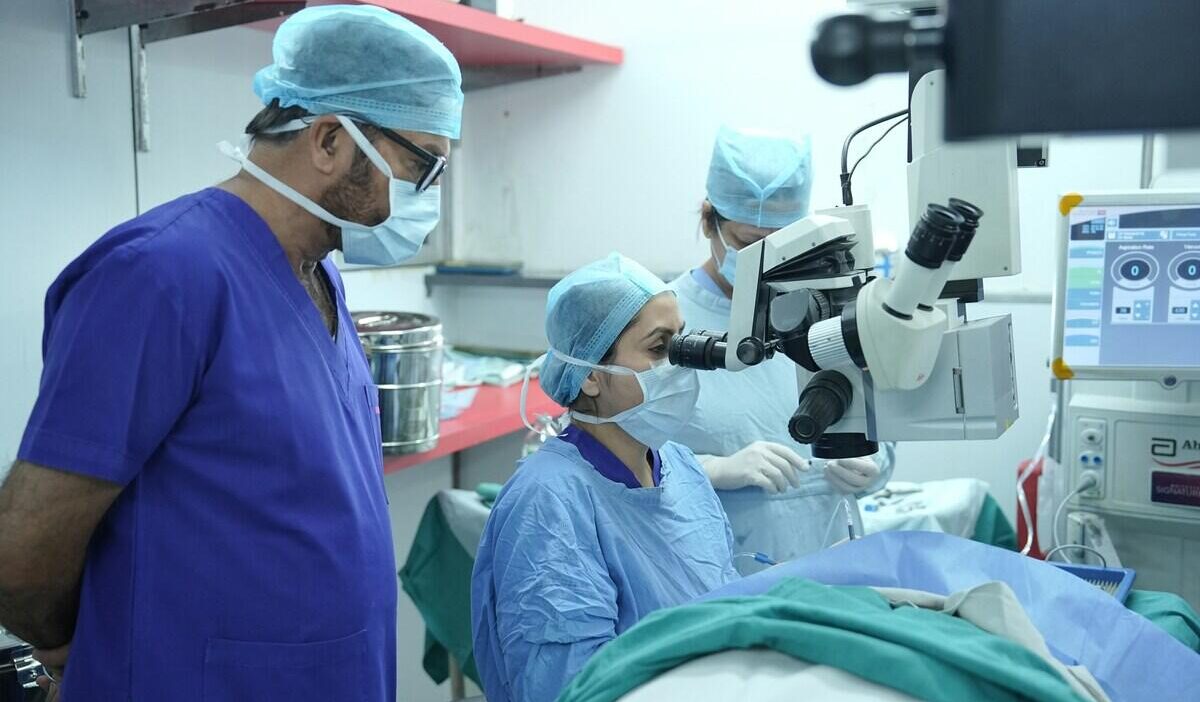
Does Medicaid cover eyeglasses? Many low-income families cannot afford expensive out-of-pocket optometry bills. The federal government and state agencies provide vision benefits to eligible residents. You must understand the specific age requirements and state rules to claim your free glasses. The guide below can explain mandatory coverage for children, explore adult vision benefits, and discover how to check your specific health plan.
1. Does Medicaid cover eyeglasses?
Yes, Medicaid covers eyeglasses, but benefits depend entirely on your age and state.
The program divides its rules between two types of beneficiaries:
- Children (Under 21): Vision coverage is mandatory. Federal law requires Medicaid to cover routine eye exams and prescription glasses for eligible youth.
- Adults (21 and Older): Vision care is optional for states. Some states cover standard glasses every one to two years, while others provide no routine coverage unless it is medically necessary (such as following eye surgery).
>>> Read more: How To Find An Emergency Dentist That Accepts Medicaid For Adults?
2. Medicaid Vision Coverage by Age
If you’ve been asking, does Medicaid cover glasses, for your information, Medicaid vision benefits vary significantly by age.
Children under 21 are generally guaranteed comprehensive vision coverage, including eye exams and eyeglasses, under federal requirements.
However, for adults aged 21 and older, vision care is not mandatory, so coverage depends on each state and may range from full benefits to limited or no vision coverage.
Mandatory Vision Coverage for Children (Under 21)
Vision coverage for children and young adults under age 21 is strictly mandatory across all 50 states. Under federal law, state programs must fully fund these services through the Early and Periodic Screening, Diagnostic, and Treatment (EPSDT) benefit framework.
This comprehensive federal mandate requires Medicaid to pay for:
- Regular, comprehensive routine eye exams.
- Preventive vision screenings at well-child check-ups.
- High-quality prescription eyeglasses.
The federal government enforces this uniform nationwide policy to ensure that developing youth can succeed in school, maintain healthy childhood development, and avoid long-term visual impairment. Federal EPSDT rules require states to provide medically necessary vision services for eligible individuals under 21.
Optional Vision Coverage for Adults (21 and Older)
While children receive guaranteed vision benefits, does Medicaid cover eyeglasses for adult enrollees face a much more complex set of rules. Your access to eye care depends entirely on where you live.
The details include:
- State-by-State Variation: The federal government classifies adult vision care as an optional Medicaid benefit. State governments possess the authority to design, limit, or eliminate these adult eye care programs.
- Routine Coverage: Many generous states prioritize adult vision health. These specific programs typically cover one comprehensive eye exam and provide one pair of standard prescription eyeglasses every year or two.
- Medical Necessity: Some states provide very limited routine vision benefits for adults and may only approve coverage when medically necessary. In these regions, you can only get Medicaid to pay for glasses if a doctor proves they are medically necessary. For example, your state might approve special prescription lenses only if you are recovering from cataract surgery or severe eye trauma.
3. Which Eyeglasses Can You Get?
If your state provides Medicaid vision benefits, the program generally restricts your choices to standard, cost-effective options. When you visit a Medicaid-approved optometrist, you can typically expect the following coverage parameters:
- Standard Frames: You must choose your glasses from a specific “Medicaid-approved” selection of basic frames.
- Standard Lenses: The program typically covers standard single-vision, bifocal, or trifocal lenses to correct your eyesight.
- Replacement Frequency: You can generally receive one new pair of eyeglasses (both frames and lenses) every calendar year or every two years.
- Excluded Extras: Medicaid usually does not cover specialty add-ons or cosmetic upgrades. You must pay out-of-pocket if you want anti-reflective coatings, transition lenses, or high-end designer frames.
4. Other Assistance Programs: Staying Connected With Technology
Medicaid may help with vision care in some cases, but many families still need affordable phone service to call doctors, schedule eye exams, check prescriptions, or manage benefits online.
How Does Medicaid Work with Lifeline
The federal Lifeline program is a government assistance program designed to help low-income households maintain essential communication.
If you currently receive Medicaid benefits, you may automatically qualify for this government assistance program.
Even if you do not receive Medicaid, you can still qualify for Lifeline if your total household income falls below certain federal poverty guidelines or if you participate in other federal programs like SNAP or SSI.
The program does not handle the process all by itself. Instead, it work with Eligible Telecommunications Carriers (ETCs) like Cintex Wireless to reach out to those in need.
And when providing the Lifeline monthly discount, these carriers, in many cases, may offer users a free 5G smartphone and free monthly service. You can use this reliable mobile connection to call eye doctors, schedule your exams, and check your digital Medicaid portals easily.
Note: Eligibility varies by state and program. Offers depend on availability and qualifications. Cintex Wireless operates under the federal Lifeline Program as an Eligible Telecommunications Carrier (ETC). Service is non-transferable and limited to one service per household.
How to Apply for Your Free Device
You can claim your telecommunication benefits and secure your free phone in three simple steps:
- Enter your ZIP code on the official provider website to check your local coverage options.
- Select a plan that perfectly fits your needs and choose your free phone from the available top brands, depending on the carrier stock at the time you apply.
- Provide essential information and upload further documents if required, like your Medicaid eligibility documents or official approval letters, to securely prove your income status.
- Submit the application and wait for the result. Once approved, your device will be shipped directly to your address.
UPDATE: Cintex Wireless is currently merging into AirTalk Wireless, another reputable carrier in the industry. During this transition, some applicants who start their enrollment with Cintex may be redirected to AirTalk to finish the application process. This is an expected part of the merge and will not impact your Lifeline eligibility. The transition is designed to provide customers with stronger coverage, faster support, and access to a wider selection of plans and device options.
>>> Read more: What Is Family Planning Medicaid? Don’t Miss Out On Your Benefits
5. Frequently Asked Questions (FAQ)
Q1. Can I get contact lenses with Medicaid?
Medicaid generally does not cover contact lenses for routine vision correction. The health program usually only pays for standard eyeglasses. Your state Medicaid office might approve contact lenses if an eye doctor proves they are medically necessary for a specific eye disease.
Q2. How often will Medicaid pay for new glasses?
The frequency depends entirely on your specific state guidelines. Many states replace glasses for eligible children every year. Adult coverage varies significantly across the country. Some states offer replacement glasses every two years or only when your medical prescription changes.
Q3. Does Medicaid cover eye surgery?
Yes, Medicaid covers eye surgery if a qualified doctor deems the procedure medically necessary. The program typically covers cataract removal or glaucoma treatments. Medicaid does not cover elective cosmetic procedures like LASIK surgery for basic vision correction.
Final Words
Now you know that does Medicaid cover eyeglasses or not. You can access Medicaid-covered eyeglasses for eligible children through federal mandates. You should contact your local Medicaid office to confirm your specific adult coverage options.
Eligible recipients may also automatically qualify for a free Lifeline smartphone plan when they apply to an approved carrier like Cintex to easily contact their eye doctor, check the digital portal, and maintain vision safely.