Searching for breast reduction doctors that accept Medicaid near me brings challenge: understanding which offices participate in your coverage and what your plan requires before surgery.
This guide walks you through finding participating specialists, preparing useful medical records, checking potential costs, and keeping communication organized as you move from your first inquiry toward a treatment decision.
1. How to Find Breast Reduction Doctors That Accept Medicaid Near Me?
When comparing breast reduction doctors that accept Medicaid near me, check both surgical experience and participation in your specific coverage. These four routes can help you build a reliable shortlist.
Start With Your Medicaid Plan’s Provider Directory
Search your plan’s directory under “plastic surgery” or “reconstructive surgery.” Use your location and a realistic travel radius. Save several names because listed surgeons may have waiting lists or may not provide breast reduction.
Ask Your Primary Care Provider for a Referral
Your primary care provider can assess symptoms, document earlier treatment, and recommend participating specialists. Ask whether your plan requires a formal referral; a recommendation alone may not satisfy its scheduling or payment rules.
Contact Hospital and University Plastic Surgery Departments
Call hospital-based and university clinics to ask whether they evaluate Medicaid patients for medically necessary breast reduction. Confirm the specific location and surgeon, since participation can differ within the same health system.
Confirm Your Exact Plan Before Booking
Give the office your full Medicaid plan name and ask whether the surgeon accepts new patients for medically necessary breast reduction consultations.
If you’ve searched for “breast augmentation near me,” remember that augmentation and reduction are different procedures. A clinic offering cosmetic breast enlargement may not perform insurance-covered reduction surgery.
Confirm the specific procedure, surgeon, office location, and insurance participation before booking.
2. When Does Medicaid Cover Breast Reduction Surgery?
Medicaid may cover breast reduction surgery when it is medically necessary and meets your state’s coverage requirements. Having large breasts or wanting a smaller size does not automatically qualify the procedure for payment.
Depending on your plan, medical-necessity criteria may consider:
- Documented symptoms: Persistent back, neck, or shoulder pain, recurrent skin irritation, or other problems associated with breast size.
- Effects on daily activities: Difficulty exercising, working, or performing everyday tasks.
- Treatment history: Records showing whether appropriate nonsurgical approaches were tried and how you responded.
- Surgical requirements: Certain policies consider the estimated amount of tissue to be removed or other clinical measurements.
Not every Medicaid program uses the same criteria. Some require prior authorization, clinical photographs, or additional medical records before approving reduction mammoplasty.
Ask your plan for its current breast reduction coverage policy and have your surgeon review the requirements.
Does Medicaid cover any kind of plastic surgery? Some medically necessary reconstructive procedures may be covered. Surgery performed solely for cosmetic purposes is generally excluded, although each procedure must be evaluated under the applicable rules.

3. How to Get a Breast Reduction on Medicaid?
After identifying breast reduction doctors that accept Medicaid near me, organize the process around your plan’s requirements:
- Check coverage and referral rules. Ask member services whether reduction mammoplasty is covered for your circumstances and whether a referral is necessary.
- Gather supporting records. Collect relevant visits, treatment history, and notes describing symptoms and limitations. Document what actually happened; avoid exaggerating symptoms.
- Attend a participating surgeon’s consultation. Discuss expected benefits, risks, recovery, and whether the procedure is appropriate for you.
- Have the office request authorization. The surgeon’s team should submit any required clinical records, photographs, and treatment details through the plan’s process.
- Review the decision before scheduling. Confirm the authorized procedure, providers, facility, dates, and potential patient charges.
Keep copies of correspondence and authorization numbers. Prior authorization addresses coverage requirements; payment still depends on applicable eligibility and billing conditions.
>>> Read More: How to Get a Free Blood Pressure Monitor Medicaid: Check Coverage First
4. What Can Prevent Medicaid Coverage or Delay Breast Reduction?
There is no single medical condition or insurance rule that automatically disqualifies everyone from breast reduction surgery.
Two different issues may affect whether the procedure moves forward.
Medicaid coverage requirements
Your plan may deny or delay authorization if the records don’t demonstrate medical necessity, required documentation is missing, or the proposed provider isn’t approved under your coverage arrangement.
Some policies also include specific clinical measurements or documentation requirements. Ask for the written denial reason before deciding what to do next.
Surgical safety considerations
A surgeon may recommend delaying surgery because of smoking or vaping, uncontrolled medical conditions, or other factors that could increase complications.
Body mass index and existing health conditions may also be considered, but they should not be presented as universal disqualifications. Your surgeon should assess your individual risks and explain whether any concerns can be addressed before surgery.
A Medicaid denial does not necessarily mean surgery is medically inappropriate. Likewise, being a suitable surgical candidate does not guarantee insurance approval.

5. Is There a Way to Get Free Breast Reduction Surgery?
Yes, breast reduction surgery may involve little or no out-of-pocket cost when Medicaid approves it as a covered service. However, free surgery is not guaranteed simply because a surgeon accepts Medicaid.
Before scheduling, confirm coverage for the surgeon, hospital or surgical facility, anesthesia, and postoperative care. Ask your Medicaid plan whether any permitted copayments apply.
If your request is denied, obtain the written decision and review the reason with your surgeon. Missing documentation may be addressed through additional records, reconsideration, or an appeal, depending on your plan’s procedures.
What if no Medicaid surgeon is available nearby?
For Medicaid managed-care members, federal rules require the plan to arrange timely out-of-network care when its provider network cannot furnish a necessary covered service.
When this protection applies, you should not be charged more than the in-network amount. Ask your plan to arrange or authorize the outside provider before scheduling independently.
If the procedure isn’t covered, hospital financial assistance may be worth checking, although programs do not necessarily pay for elective surgery.
Always confirm your financial responsibility before agreeing to treatment.
6. Stay Connected Before and After the Surgery
Finding breast reduction doctors who accept Medicaid often means callbacks, consultations, and coverage updates, so a dependable phone keeps you connected to the surgeon’s office and your care team. If the monthly bill is a strain, assistance may help.
Lifeline is a federal program that helps eligible households afford phone or internet service. It provides up to $9.25 per month toward qualifying internet or bundled service, or up to $5.25 for voice-only service, where applicable. Higher support is available on qualifying Tribal lands.
Medicaid may qualify your household, as can SNAP, SSI, or household income at or below 135% of the Federal Poverty Guidelines. Verification is required, approval is not automatic, and the benefit is non-transferable and limited to one per household.
Lifeline service is delivered through an Eligible Telecommunications Carrier (ETC), an approved provider that may also offer device promotions or extra plan features under its own terms. Cintex Wireless is an ETC, and its merger into AirTalk Wireless aims to bring more device choices and a smoother enrollment.
Some listed models you may encounter include the Apple iPhone 11, Apple iPhone SE (2nd generation), Samsung Galaxy A42 5G, and TCL 20 XE 5G. These smartphones can help you receive appointment reminders, contact your surgeon’s office, and access patient portals during recovery.
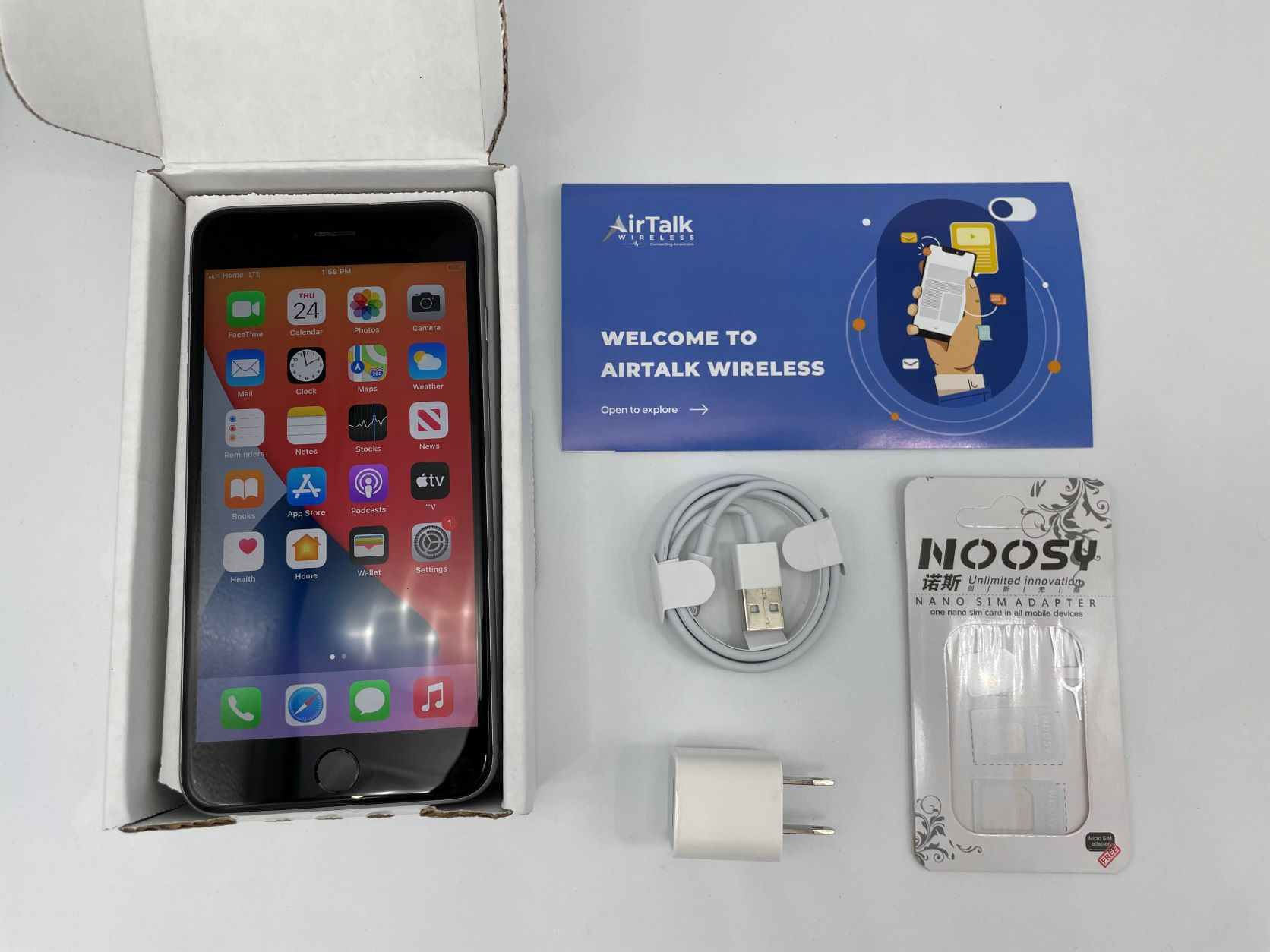
Available devices, prices, service options, and network coverage vary by location and inventory. Some models may require payment, and a particular phone is not guaranteed, so review the current offer before completing your application.
IMPORTANT: The government does not subsidize devices. Lifeline programs cover basic service costs only. Free or discounted devices, upgrade plans, or top-ups are exclusive benefits provided by AirTalk Wireless and Cintex Wireless as part of the promotional offers. Terms and conditions apply. Limited-time promotion—offers vary by state, stock availability, and eligibility.
Conclusion
Finding breast reduction doctors that accept Medicaid near me starts with checking your plan’s network and confirming each surgeon’s participation. Gather supporting medical records, follow authorization requirements, and clarify potential costs before scheduling. These steps can help you make informed decisions about your care.